Skip to content
PVC Tarpaulin vs Canvas 550GSM: Best Durable Cover for Kenyan Construction
PVC tarpaulin vs canvas Kenya is a common question among contractors, builders, and suppliers in Nairobi, Mombasa, and across the country. Choosing the right construction cover can make a huge difference in protecting materials, machinery, and workers from rain, sun, and dust. In this guide, we compare PVC tarpaulin and 550GSM canvas in terms of durability, waterproofing, cost, and long-term performance, helping you decide which cover works best for Kenyan construction sites.
In this in-depth guide, we go straight into a full, 2,500-word breakdown of PVC tarpaulin vs canvas 550GSM, focusing on durability, waterproofing, weather resistance, cost efficiency, and real-world construction use in Kenya. By the end, you’ll know exactly which option suits your site—and why.
Understanding the Kenyan Construction Environment
Before comparing materials, it’s important to understand the conditions construction covers face in Kenya:
-
Heavy rains during long and short rainy seasons
-
Strong UV exposure throughout the year
-
Dust and debris on active sites
-
High humidity in coastal regions
-
Frequent handling, dragging, tying, and folding
Construction site covers in Kenya are rarely used gently. They must endure constant exposure while protecting cement, steel, timber, machinery, and workers.
PVC tarpaulin vs canvas Kenya durability and applications here
What Is PVC Tarpaulin?
PVC tarpaulin is made from woven polyester fabric coated with polyvinyl chloride (PVC). This combination creates a flexible but extremely tough sheet that is widely used in construction, transport, and industrial applications.
Key Features of PVC Tarpaulin
-
Fully waterproof
-
Resistant to UV rays and sunlight
-
Smooth, non-absorbent surface
-
High tear and puncture resistance
-
Easy to clean and maintain
-
Available in multiple thicknesses and colors
PVC tarpaulin is commonly used as heavy duty tarps in Nairobi, especially for large-scale projects and long-term outdoor coverage.
Heavy Duty PVC Tarpaulins for Construction Sites
What Is Canvas 550GSM?
Canvas 550GSM is a thick, cotton-based fabric known for its strength and breathability. GSM (grams per square meter) indicates fabric density—550GSM is considered heavy-duty canvas.
Key Features of 550GSM Canvas
Canvas tarpaulins are often chosen for short-term or semi-covered construction uses where breathability matters more than complete waterproofing.
Canvas Tarpaulins for Construction & Industrial Use
Durability Comparison: PVC Tarpaulin vs Canvas Kenya
PVC Tarpaulin Durability
PVC tarpaulins are engineered for harsh industrial environments. The PVC coating protects the inner fabric from abrasion, moisture, and sunlight.
-
Maintains strength even when wet
-
Does not rot or decay
-
Resistant to tearing from sharp edges
-
Withstands frequent folding and tying
On active Kenyan construction sites where covers are constantly moved, PVC tarpaulin outperforms canvas in long-term durability.
Canvas 550GSM Durability
Canvas is strong, but its durability depends heavily on proper care.
-
Loses strength when consistently wet
-
Can develop mold or mildew
-
Fibers weaken with prolonged UV exposure
-
Requires drying after rainfall
Canvas holds up well indoors or in controlled environments but struggles in continuous outdoor use, especially during rainy seasons.
Durability Winner: PVC Tarpaulin
Waterproofing and Weather Resistance: PVC Tarpaulin vs Canvas Kenya
PVC Tarpaulin: Fully Waterproof
PVC tarpaulin provides 100% waterproof protection, making it ideal for:
Rainwater does not penetrate or soak into PVC sheets, even during prolonged downpours common in many parts of Kenya.
Canvas 550GSM: Water-Resistant Only
Canvas tarpaulins are usually treated with water-resistant coatings. However:
In extended rainy conditions, canvas fails to provide consistent protection.
Waterproofing Winner: PVC Tarpaulin
Waterproof Tarpaulins in Kenya: What You Should Know
UV & Heat Resistance Under Kenyan Sun
Kenya experiences intense sunlight year-round, especially in open construction areas.
PVC Tarpaulin Performance
-
UV-treated options resist sun damage
-
Maintains color and strength longer
-
Does not crack easily under heat
Canvas 550GSM Performance
For long-term outdoor exposure, PVC tarpaulin handles UV stress far better.
Flexibility, Handling & Ease of Use
PVC Tarpaulin
-
Flexible even in cold or wet conditions
-
Easy to fold, tie, and secure
-
Smooth surface allows quick installation
Canvas 550GSM
-
Stiffer, especially when wet
-
Heavier to handle after rain
-
Requires more effort to install
For fast-paced construction environments, PVC tarpaulin is more user-friendly.
Maintenance & Lifespan
PVC Tarpaulin Maintenance
Canvas 550GSM Maintenance
In Kenya’s humid and rainy conditions, canvas requires significantly more maintenance.
How to Maintain Tarpaulins for Longer Lifespan
Cost Comparison: PVC Tarpaulin vs Canvas Kenya
PVC Tarpaulin Cost
Canvas 550GSM Cost
While canvas may seem cheaper at first, PVC tarpaulin offers better long-term value for construction projects.
Common Construction Uses in Kenya
| Application |
PVC Tarpaulin |
Canvas 550GSM |
| Cement & sand covering |
✅ Excellent |
❌ Not ideal |
| Scaffolding covers |
✅ Ideal |
❌ Poor |
| Roofing protection |
✅ Waterproof |
⚠️ Limited |
| Temporary shelters |
✅ Very good |
✅ Good |
| Indoor material covers |
✅ Good |
✅ Excellent |
Environmental Considerations
Canvas is biodegradable and made from natural fibers, which appeals to environmentally conscious buyers. However, its shorter lifespan means more frequent replacements.
PVC tarpaulin is synthetic but lasts longer, reducing replacement waste over time. Many suppliers now offer recyclable PVC options.
Which Tarpaulin Is Best for Kenyan Construction?
Choose PVC Tarpaulin If You Need:
-
Long-term outdoor coverage
-
Full waterproof protection
-
Minimal maintenance
-
Reliable performance in rain and sun
Choose Canvas 550GSM If You Need:
Final Verdict: PVC Tarpaulin vs Canvas 550GSM in Kenya
For most construction site covers in Kenya, PVC tarpaulin is the clear winner. Its durability, waterproofing, UV resistance, and low maintenance make it the best choice for contractors operating in challenging outdoor conditions.
Canvas 550GSM still has its place—but mainly for temporary, indoor, or low-exposure applications.
Where to Buy Quality Tarpaulins in Nairobi
Get Your Premium Netting Solutions Today!
For the best quality netting solutions for farming, construction, home, or any other project, look no further than Cougar Nets. Our team of experts is ready to help you choose the perfect product for your needs.
NATIONWIDE & EAST AFRICA DELIVERY AVAILABLE
- Premium quality nets for all applications
- Professional installation and expert advice
- Bulk orders and custom solutions available
- Serving Uganda, Kenya (Nairobi, Eldoret, Kisumu), South Sudan and beyond.
Contact Us for a Quote:
Cougar Nets
Email: sales@mft.co.ke | info@cougarnets.co.ke
Phone: +254 706 903 465
Visit Us: Darosa Plaza, Karen Rd, Nairobi
Website: https://cougarnets.co.ke/
From the Cougar Nets Knowledge Base
Practical guides on netting, tarpaulins, shade solutions, poultry & fish farming in Kenya.

 Animals & Pet Supplies
Rabbit Mesh
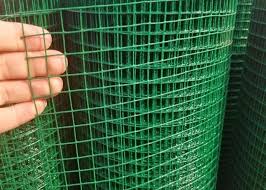
Rabbit mesh is a specialized tightly-spaced wire or plastic grid—typically designed to safely contain rabbits, prevent escapes, and…
Read article →
Animals & Pet Supplies
Rabbit Mesh
Rabbit mesh is a specialized tightly-spaced wire or plastic grid—typically designed to safely contain rabbits, prevent escapes, and…
Read article →