Why Circular Fish Cages are Ideal for Modern Aquaculture in Kenya
Aquaculture in Kenya has transformed dramatically over the past decade. As natural fish stocks continue to decline and demand for quality protein rises, more farmers are embracing controlled fish production systems such as fish ponds, recirculating aquaculture, and cage culture. Among the innovative cage designs available today, circular fish cages have emerged as the gold standard for modern aquaculture. Their efficiency, durability, water dynamics, ease of maintenance, and optimized fish welfare have made them the preferred choice for cage farmers in Lake Victoria, Lake Turkana, Tana River dams, and private reservoirs.
This comprehensive article explores why circular fish cages are becoming the backbone of commercial fish farming in Kenya and why every serious farmer should consider upgrading to this advanced system. It also highlights how high-quality fish cage net material, available through Cougar Nets, supports this modern production technique.
The Evolution of Cage Fish Farming in Kenya
Cage fish farming in Kenya began gaining traction around 2010, driven by government aquaculture promotion programs and growing market demand for tilapia and catfish. Early adopters used rectangular wooden cages made using locally available timber and rudimentary nets. While innovative for the time, these systems had limitations:
-
Frequent damage by waves
-
Short lifespan due to wood rot
-
High labor costs
-
Poor water flow
-
High fish stress due to turbulence
-
Difficult movement and installation
As knowledge and technology improved, farmers started transitioning to HDPE (High-Density Polyethylene) cages and professionally woven fishing nets. Research supported by KMFRI (Kenya Marine and Fisheries Research Institute), FAO, and numerous county aquaculture programs showed that circular cages outperform rectangular cages in almost every operational metric.
Today, circular cages are the new standard in commercial operations across Lake Victoria, where most cage farming in Kenya is concentrated. Private farmers, cooperatives, youth groups, and large-scale investors all prefer circular designs because they allow higher stocking densities, lower mortality, and improved feeding efficiency.
What Makes Circular Fish Cages Superior?
Circular fish cages are designed to work with natural water movement rather than against it. Their shape, structure, and netting configuration distribute currents evenly, reduce stress on fish, and enhance oxygenation. Here is a deeper look at the unique advantages.
1. Superior Water Circulation and Oxygen Distribution
Water quality is the lifeblood of aquaculture. Without proper circulation, cages become stagnant, oxygen levels drop, and waste accumulates—creating a breeding ground for disease. The circular design ensures:
-
Uniform water flow from all directions
-
Continuous removal of fish waste
-
Better dispersion of uneaten feed
-
Natural aeration through wave action
Better water circulation means healthier fish, faster growth, and higher stocking density. Farmers using circular cages report growth rates up to 15% faster compared to rectangular designs.
To support optimal water movement, farmers often pair cages with aeration systems. For those seeking mechanical aeration to boost oxygen levels during warm seasons or periods of low DO (dissolved oxygen), Cougar Nets also supplies high-quality aerator pumps:
2. Greater Durability and Resistance to Wave Pressure
Unlike rectangular cages that face direct force from waves on flat surfaces, circular cages disperse pressure evenly around their structure. This makes them far more stable in environments such as:
-
Open sections of Lake Victoria
-
Reservoirs with high wind activity
-
Unpredictable river dam currents
Circular cages incorporate HDPE pipes that flex with wave energy instead of resisting it. This flexible durability enhances:
-
Safety
-
Cage lifespan
-
Lower maintenance costs
-
Farmer peace of mind
And because the frame experiences less structural stress, the nets themselves survive longer with fewer repairs.
High-quality fish cage net material is essential for stability and longevity. Cougar Nets offers durable netting specifically engineered for cage farming:
3. Better Fish Welfare and Stress Reduction
Fish welfare directly influences production output and profitability. When fish experience stress, they exhibit:
Circular cages create a natural swimming environment that mimics how fish move in the wild—continuously and in circles. The flowing shape encourages:
-
Natural schooling behavior
-
Even distribution of fish inside the cage
-
Less crowding in corners (because there are none)
-
Reduced injury risk
Happier fish mean healthier fish—and healthier fish mean more profitable harvests.
4. Higher Stocking Density and Faster Growth Rates
Thanks to better oxygen distribution, improved swimming conditions, and reduced stress, circular cages support higher stocking densities than rectangular cages of equal volume.
This means more kilos of fish per cubic meter—without compromising welfare or water quality.
Commercial farmers using circular cages in Lake Victoria often achieve:
For farmers targeting large-scale production, circular cages are the ideal pathway to competitive, commercial aquaculture.
5. Uniform Feeding and Reduced Waste
Feeding management is one of the biggest operational expenses in aquaculture. Circular cages make the feeding process more efficient and predictable. Because fish swim in circular patterns, they form a consistent feeding ring—making it easier for farmers to monitor:
-
Feeding response
-
Leftover feed
-
Fish behavior
-
Early signs of disease
This efficiency reduces feed losses and improves feed conversion. Farmers using automated or semi-automated feeders prefer circular cages for this reason.
6. Longer Lifespan of Nets and Structural Components
Cage nets undergo continuous stress from water currents, wave movement, fish pressure, and biofouling. Circular nets wear more evenly, extending their lifespan. There are no corners where nets sag or accumulate debris, and the natural circular tension reduces damage.
High-density fish cage netting, like the professional-grade netting from Cougar Nets, also plays a crucial role. It is:
Farmers can explore high-quality fish cage nets here:
7. Easier Harvesting and Management
Circular cages provide streamlined management, especially during harvesting operations. Because fish naturally gather in the center when disturbed, harvesting becomes quicker and smoother. The shape also supports easy rotation of nets during cleaning, repairs, and periodic maintenance.
Many farmers combine their cage systems with braided rope for secure mooring and anchoring:
Using durable rope prevents cage drift, rig damage, and potential fish escape—one of the biggest risks in open-water aquaculture.
Comparison: Circular Fish Cages vs. Rectangular Fish Cages
| Feature |
Circular Cages |
Rectangular Cages |
| Water Flow |
Excellent, uniform |
Poor in corners |
| Fish Behavior |
Natural schooling |
Fish gather in corners |
| Structural Strength |
High |
Moderate |
| Durability |
Longer |
Shorter |
| Stocking Density |
Higher |
Lower |
| Feeding Efficiency |
High |
Moderate |
| Resistance to Waves |
Excellent |
Weak |
| Maintenance |
Easier |
More demanding |
The results are clear—circular cages outperform rectangular systems in every major functional category.
Materials Required for Setting Up Circular Fish Cages in Kenya
To operate efficiently and safely, farmers require high-quality cage components. Key materials include:
1. Fish Cage Net Material
Netting quality determines cage lifespan and fish safety. Poor-quality nets lead to:
-
Predator entry
-
Fish escape
-
Net tears
-
Expensive losses
Cougar Nets supplies heavy-duty, UV-treated cage nets engineered specifically for aquaculture:
2. Cover Nets for Predator Protection
Farmers also use fish pond cover nets to keep off birds and monitor feeding behavior:
These nets prevent predators like fish eagles and monitor lizards from accessing the cages.
3. Aeration Systems
Mechanical aerators enhance oxygen levels during warm seasons or at night:
4. Mooring Accessories
Secure anchoring prevents cages from drifting due to wind or current. Farmers rely on:
-
Braided rope
-
Anchoring stones
-
Metal chains
High-quality marine-grade rope:
Choosing the Best Netting for Circular Fish Cages in Kenya
Not all nets are the same. When selecting netting for your cages, consider the following factors:
Mesh Size
Different species require specific mesh sizes. Tilapia fingerlings, for example, require smaller mesh, while adult catfish need larger mesh for better water flow.
Material
High-density polyethylene (HDPE) is preferred for cage nets due to its:
Knot Type
Knotless nets reduce fish injury, improve water movement, and promote faster growth.
UV Resistance
Given Kenya’s strong sunlight, UV-treated nets are essential to prevent weakening and disintegration.
Cougar Nets provides all these options, tested and proven for Kenyan waters.
Explore fish cage net material here:
Common Applications of Circular Fish Cages in Kenya and East Africa
Circular cages are ideal for diverse environments and production objectives.
1. Lake-Based Tilapia Farming
This is Kenya’s largest use-case, particularly in Lake Victoria.
2. Catfish Cage Culture in Dams
Many farmers keep catfish in circular cages due to their strength and containment efficiency.
3. Reservoir and Dam Fisheries
County governments and cooperatives often deploy modular circular cages to boost local fish supply.
4. Private Farm Reservoirs
Farmers with private water bodies use circular cages for controlled and scalable production.
Installation Guide: Setting Up Circular Fish Cages
Installing circular fish cages requires planning and precision. Here is a simplified step-by-step guide.
-
Select an appropriate site with good water depth, low pollution, and moderate currents.
-
Assemble the circular HDPE frame and ensure all joints are tightly sealed.
-
Attach the fish cage netting, ensuring even distribution for maximum water flow.
-
Install the floating rings and handrails for stability and ease of monitoring.
-
Secure the sinkers around the cage bottom to maintain the cage shape.
-
Anchor the cage using strong mooring rope or chains connected to weights or anchors on the lakebed.
-
Install predator nets to protect from birds and other predators.
-
Stock with fingerlings from certified hatcheries.
-
Begin feeding and monitoring under a controlled schedule.
Maintenance Tips for Long-Lasting Circular Fish Cages
To keep cages performing optimally, farmers should:
-
Clean nets regularly to remove algae
-
Inspect moorings weekly
-
Replace damaged nets immediately
-
Monitor water quality
-
Rotate cages to reduce biofouling
-
Use aeration during warm seasons
For net replacement materials or accessories, Cougar Nets provides reliable products including:
Fish pond cover nets
Braided rope
Aerator pump
Why Buy Fish Cage Netting from Cougar Nets?
Cougar Nets is Kenya’s trusted supplier for high-quality aquaculture netting. Here is why farmers choose us:
-
UV-treated nets designed for African waters
-
Durable, knotless, safe netting material
-
Affordable prices
-
Custom sizing available
-
Quick delivery across Kenya and East Africa
-
Professional guidance from experienced aquaculture specialists
To explore our full product range, visit
Conclusion
Circular fish cages are truly the future of commercial aquaculture in Kenya. Their unmatched strength, better water flow, improved fish welfare, higher stocking density, and operational efficiency make them the superior choice for farmers looking to scale production sustainably and profitably. Combined with durable netting solutions from Cougar Nets, farmers can confidently invest in a system designed to last, maximize yields, and reduce losses.
Get Your Premium Netting Solutions Today!
For the best quality netting solutions for farming, construction, home, or any other project, look no further than Cougar Nets. Our team of experts is ready to help you choose the perfect product for your needs.
NATIONWIDE & EAST AFRICA DELIVERY AVAILABLE
Premium quality nets for all applications
Professional installation & expert advice
Bulk orders & custom solutions available
Serving Tanzania, Rwanda, Kenya (Eldoret, Nakuru), South Sudan, Ethiopia & beyond.
Contact Us for a Quote:
Cougar Nets
Email: sales@cougarnets.com | info@cougarnets.com
Phone: +254 706 903 465= Visit Us: Darosa Plaza, Karen Rd, Nairobi
Website: https://cougarnets.co.ke/








 Animals & Pet Supplies
Rabbit Mesh
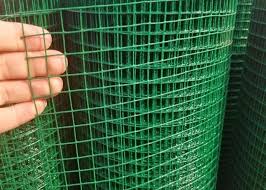
Rabbit mesh is a specialized tightly-spaced wire or plastic grid—typically designed to safely contain rabbits, prevent escapes, and…
Read article →
Animals & Pet Supplies
Rabbit Mesh
Rabbit mesh is a specialized tightly-spaced wire or plastic grid—typically designed to safely contain rabbits, prevent escapes, and…
Read article →