No products in the cart.
The Ultimate Guide to Starting a Profitable Fish Farm in Kenya (2026)
Introduction: Why Fish Farming Is the Future of Agribusiness in Kenya
Fish farming in Kenya has rapidly grown into one of the country’s most promising agribusiness ventures. With rising demand for protein, increased government support for aquaculture, and the availability of modern equipment such as fish pond cover nets, aerator pumps, and water testing kits, the opportunities for profitability are stronger than ever.
In 2026, fish farming in Kenya is not just a subsistence activity—it’s a commercial opportunity. Whether you’re an aspiring entrepreneur, a farmer diversifying your income, or an investor seeking sustainable ventures, understanding the fundamentals of fish farming can help you build a profitable and scalable business.
Understanding Fish Farming Kenya
Fish farming, also known as aquaculture, involves breeding, rearing, and harvesting fish under controlled conditions. Kenya’s warm tropical climate, access to freshwater resources, and expanding market make it ideal for aquaculture.
The most common fish species farmed in Kenya include:
-
Tilapia (Oreochromis niloticus) – Fast-growing and adaptable.
-
Catfish (Clarias gariepinus) – Resilient and thrives in a variety of conditions.
-
Trout and ornamental species – Niche markets, often for high-end or export purposes.
Beyond fish species selection, modern aquaculture success in Kenya relies on adopting reliable infrastructure—such as durable fish cage net materials, proper pond aeration, and high-quality water management systems.
Step 1: Planning Your Fish Farm
Before investing in equipment or fingerlings, proper planning is essential. Start by defining:
-
Farm size and location: Select an area with access to clean water and adequate space for expansion.
-
Farming method: Choose between pond farming, cage culture, or recirculating aquaculture systems (RAS).
-
Budget and resources: Consider the costs of land preparation, pond lining, feed, and infrastructure like nets, aerators, and pumps.
Pro Tip: Many successful Kenyan fish farmers start small with 1–2 ponds and scale gradually after learning the local market dynamics.
Step 2: Choosing the Right Type of Fish Pond
There are several types of ponds suitable for fish farming:
-
Earthen ponds – Natural and cost-effective but require good soil retention.
-
Lined ponds – Built using pond liners or PVC tarpaulins such as the PVC Tarpaulin (650 GSM), which prevent seepage and improve water retention.
-
Concrete ponds – Durable but more expensive to construct.
For beginners, lined ponds strike the perfect balance between cost, durability, and ease of maintenance.
Step 3: Essential Equipment for a Successful Fish Farm
A well-equipped farm ensures consistent fish health and faster growth rates. Here are the core items every aquaculture venture needs:
1. Fish Pond Cover Nets
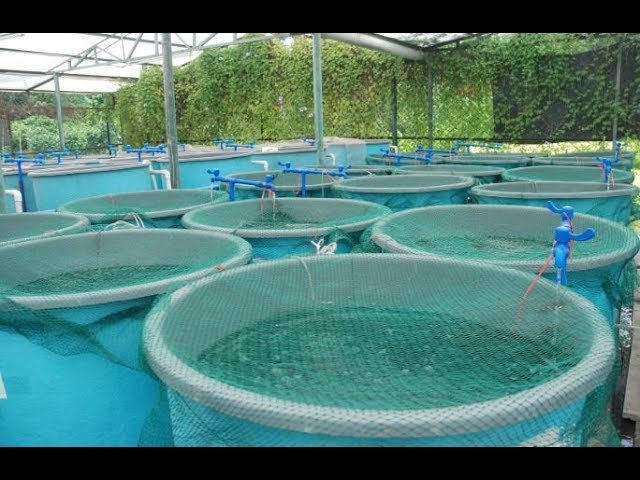
Protecting your fish from predators like birds, snakes, and other animals is vital. A durable Fish Pond Cover Net safeguards your investment while reducing debris and leaf litter contamination.
Benefits include:
-
Preventing bird and animal attacks
-
Reducing algae growth by moderating sunlight
-
Limiting debris entry, keeping ponds clean
-
Extending pond life and water quality
For fish cage setups in lakes or reservoirs, Fish Cage Net Material provides secure containment while maintaining water flow and oxygenation.
2. Aerator Pump
Oxygen is life for fish. Without adequate aeration, fish become stressed, growth slows, and mortality rates increase. The Aerator Pump for Ponds ensures optimal oxygen levels, especially in densely stocked ponds.
Advantages:
-
Improves oxygen circulation
-
Prevents water stagnation
-
Boosts feed conversion efficiency
-
Reduces risk of disease outbreaks
Most Kenyan fish farmers rely on diesel or electric-powered aerators to maintain a healthy aquatic environment—particularly during hot seasons when oxygen levels drop.
3. Water Testing Kits
Maintaining clean and balanced water is non-negotiable in aquaculture. A reliable water testing kit allows farmers to monitor pH, ammonia, nitrate, and temperature levels.
Though Cougar Nets specializes in netting and pond accessories, it’s wise to pair their high-quality pond nets and aerators with professional-grade testers from agricultural suppliers to ensure a complete aquaculture management system.
4. Water Pumps and Flow Management
Efficient water management is crucial for circulation, cleaning, and filling ponds. The Diesel Water Pump from Cougar Nets offers robust performance for large-scale farms, ensuring consistent water movement between ponds or tanks.
Step 4: Setting Up Your Fish Farm
Once you have your location, pond, and equipment ready, follow these setup steps:
-
Prepare the pond – Level the base, install pond liners, and secure pond nets.
-
Install aerators and pumps – Position aerators to distribute oxygen evenly.
-
Add clean water – Use water from wells, rivers, or boreholes (avoid polluted sources).
-
Stock with fingerlings – Source healthy fingerlings from reputable hatcheries.
-
Monitor daily – Regularly check oxygen levels, temperature, and fish activity.
Step 5: Feeding and Growth Management
Feeding accounts for over 60% of fish farming costs. The goal is to ensure efficient feed conversion without waste.
Tips for efficient feeding:
-
Feed twice daily, morning and evening.
-
Use high-quality floating pellets.
-
Avoid overfeeding to prevent water pollution.
-
Regularly observe fish behavior during feeding—sluggish responses may indicate poor water quality or disease.
Step 6: Pond Net Maintenance and Safety
Pond nets are among the most important investments in aquaculture infrastructure. To ensure long-lasting performance:
-
Inspect nets weekly for tears or sagging.
-
Clean regularly to remove algae or debris.
-
Replace worn sections immediately with new rolls from Cougar Nets.
For larger installations or vertical plant farming, you can also explore Trellis Net for Climbing Plants, which supports vines and can double as structural support in aquaponic systems.
Step 7: Disease Management and Biosecurity
Common fish diseases in Kenya include bacterial infections, parasitic infestations, and fungal outbreaks. Prevention is better than cure:
-
Maintain good water quality through aeration and filtration.
-
Quarantine new fingerlings before introducing them.
-
Use pond cover nets to reduce contamination.
-
Avoid overstocking ponds.
Consistent monitoring with water testers and adherence to hygiene practices can drastically minimize losses.
Step 8: Harvesting and Marketing
Once your fish reach market size (usually 5–7 months for tilapia), harvesting begins. Use seine nets or cage harvesting techniques to minimize stress and physical damage to fish.
After harvest, proper marketing determines profitability. Kenya’s growing demand for fish spans restaurants, hotels, schools, and direct retail.
Tips for profitable marketing:
-
Develop long-term supply contracts.
-
Brand your fish as “locally farmed, fresh, and sustainable.”
-
Use social media and local markets to promote your farm.
-
Explore value addition (smoking, filleting, packaging).
Step 9: Financial Viability and Profitability
Fish farming can yield excellent returns with the right approach. On average, a 1,000 m² pond stocked with 2,000 tilapia can produce 1,500–1,800 kg of fish per cycle, translating to over KES 400,000 in gross revenue, depending on feed and management practices.
Key profitability factors include:
-
Quality equipment (nets, aerators, pumps)
-
Feed conversion efficiency
-
Mortality rates
-
Market access and pricing
By minimizing input losses through reliable netting and aeration systems from Cougar Nets, farmers can enhance long-term sustainability.
Advanced Tips: Scaling to Commercial Aquaculture
For farmers aiming to expand:
-
Invest in multiple ponds with independent water supply lines.
-
Incorporate recirculating systems (RAS) to reduce water waste.
-
Use automatic aerators and feeders for precision control.
-
Establish a hatchery for fingerling supply.
-
Consider export markets through value-added packaging.
Environmental Sustainability in Fish Farming
Sustainability is now central to profitable aquaculture. Responsible fish farmers in Kenya are adopting:
-
Eco-friendly pond liners and water recycling systems.
-
Solar-powered aerators to reduce operational costs.
-
Integrated aquaponics systems that combine fish and vegetable production.
Using products like PVC-coated nets, shade nets, and aerator pumps not only improves productivity but also ensures environmental safety and resource efficiency.
Why Choose Cougar Nets for Your Fish Farming Equipment
Cougar Nets stands as Kenya’s most trusted supplier of fish pond cover nets, fish cage materials, aerator pumps, and PVC tarpaulins. The company’s products are built to withstand Kenya’s weather, UV exposure, and high humidity—ensuring long-lasting value for every aquaculture venture.
Their extensive inventory also includes agricultural and construction netting such as:
With Cougar Nets, you’re not just buying equipment—you’re investing in reliability, professional service, and long-term support.
Conclusion
Fish farming in Kenya presents a tremendous opportunity for income generation, food security, and sustainable development. Success depends on proper planning, quality inputs, and reliable infrastructure.
By using high-quality pond nets, aerators, and water pumps from Cougar Nets, farmers can maintain healthy ponds, minimize losses, and achieve consistent profitability year after year.
Call to Action
Get Your Premium Netting Solutions Today{{COUGARNETSPROTECT14END}}
For the best quality netting solutions for farming, construction, home, or any other project, look no further than Cougar Nets. Our team of experts is ready to help you choose the perfect product for your needs.
NATIONWIDE & EAST AFRICA DELIVERY AVAILABLE
✔ Premium quality nets for all applications
✔ Professional installation & expert advice
✔ Bulk orders & custom solutions available
✔ Serving Tanzania, Rwanda, Kenya (Nairobi, Kisumu, Nakuru), Uganda, Ethiopia & beyond.
Contact Us for a Quote:
Cougar Nets
Email: sales@cougarnets.com | info@cougarnets.com
Phone: +254 706 903 465
Visit Us: Darosa Plaza, Karen Rd, Nairobi
Website: https://cougarnets.co.ke/