No products in the cart.
5 Signs Your Fish Pond Has Low Oxygen (And How to Fix It Fast with Aerators)
Maintaining a healthy fish pond is about more than just feeding your fish or ensuring clean water. One of the most critical yet often overlooked factors is oxygen level. Without enough dissolved oxygen (DO), your fish become stressed, their immune systems weaken, and in severe cases, they die. This makes pond aeration one of the most vital components of aquaculture management.
Low oxygen in ponds can occur gradually or suddenly due to overstocking, excessive organic waste, algae die-off, or even weather changes. Fortunately, with tools like a dissolved oxygen meter, an aerator pump, and an electromagnetic air pump, you can identify and fix oxygen deficiency before it harms your stock.
In this guide, we’ll discuss the clear signs your fish pond has low oxygen, how to measure DO levels accurately, and how to restore balance fast using reliable aeration equipment available from Cougar Nets—Kenya’s trusted supplier of aquaculture and netting solutions.
What Is Dissolved Oxygen and Why It Matters
Dissolved oxygen refers to the amount of oxygen gas present in water. Fish and other aquatic organisms rely on this oxygen for respiration. Ideally, pond water should maintain DO levels between 5 to 8 mg/L. Levels below 3 mg/L are dangerous, while anything below 2 mg/L can cause fish mortality.
Low DO not only affects fish health but also impacts beneficial bacteria that help decompose organic matter. When oxygen levels fall, anaerobic conditions develop, producing toxic gases like hydrogen sulfide and ammonia.
For pond managers and fish farmers in Kenya and East Africa, maintaining proper aeration is essential to sustain healthy fish growth and water quality. Using a dissolved oxygen meter helps you regularly monitor levels, while a reliable aerator pump or electromagnetic air pump ensures oxygen circulation.
5 Signs Your Fish Pond Has Low Oxygen
1. Fish Gasping at the Surface
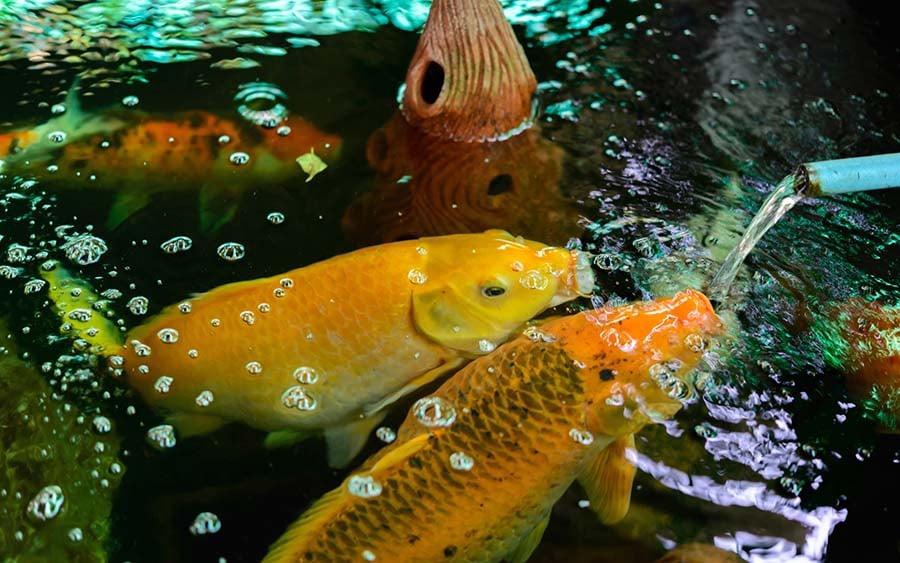
This is the most obvious sign of oxygen depletion. When oxygen concentration in the lower and middle layers of the pond drops, fish swim upward where water interacts with the air, hoping to find more oxygen. This behavior, often observed during early morning hours, is a red flag that your pond’s DO level has fallen critically low.
If you notice this regularly, it’s time to install an aerator pump for ponds or upgrade your existing one to improve water movement and oxygen diffusion.
2. Slow Fish Growth and Poor Feeding Response
Fish require oxygen to metabolize feed efficiently. When DO levels are low, their metabolism slows, leading to reduced appetite and slower growth rates. Farmers often misinterpret this as a feeding issue, yet it’s an oxygen problem.
Aeration ensures optimal oxygenation, improving feed conversion ratios and helping you achieve faster fish growth. Many Kenyan farmers using aerator pumps and electromagnetic air pumps from Cougar Nets report improved feeding activity within days of installation.
3. Unpleasant Odor and Murky Water
A foul or rotten smell from the pond usually indicates anaerobic bacterial activity, caused by a lack of oxygen in the bottom layers. The decomposition of organic matter without oxygen releases harmful gases and turns water dark or murky.
Proper aeration not only increases DO but also promotes aerobic bacterial growth, which helps break down waste efficiently and keeps the pond clean. Using fish pond cover nets can further reduce debris and contamination from external sources.
4. Floating Dead Fish or Mass Mortality Events
When oxygen levels plummet rapidly—especially at night or after algae die-off—you may find fish gasping, losing equilibrium, or floating dead in the morning. This catastrophic event often happens in ponds with poor water circulation or excessive organic waste.
Installing a dependable aerator pump for ponds helps prevent such disasters by keeping oxygen levels stable throughout the day and night. Combining this with a fish cage net material allows for better water flow management, especially in larger aquaculture setups.
5. Algae Blooms Followed by Fish Stress
Algae naturally produce oxygen during daylight through photosynthesis. However, they consume oxygen at night. A sudden algae die-off can cause a rapid drop in DO, stressing or killing your fish. Green or brown water, followed by gasping fish, signals this imbalance.
Aeration helps maintain circulation and prevents oxygen crashes caused by algae fluctuations. Pairing aeration systems with insect nets can also help reduce insect larvae that feed on algae and disrupt pond ecology.
How to Measure Oxygen Levels in Your Fish Pond
The best way to confirm low oxygen is by using a dissolved oxygen meter. This handheld device provides real-time oxygen readings and helps you make data-driven aeration decisions.
When measuring:
-
Take readings early morning before photosynthesis begins.
-
Measure at multiple depths.
-
Record values daily during hot weather or high stocking density.
Readings below 4 mg/L indicate your fish are in danger and immediate aeration is required. Regular monitoring ensures proactive oxygen management rather than reactive fixes.
Causes of Low Oxygen in Fish Ponds
-
Overstocking: Too many fish increase oxygen demand and waste buildup.
-
Excessive Feeding: Uneaten feed decomposes, consuming oxygen.
-
High Water Temperature: Warm water holds less oxygen.
-
Algae Overgrowth: Oxygen fluctuates between day and night.
-
Poor Water Circulation: Stagnant areas deplete oxygen quickly.
-
Organic Matter Accumulation: Leaves, sludge, or manure consume oxygen during decomposition.
Using fish pond cover nets reduces organic matter entry, while a braided rope (10mm) can support secure net installations and maintain pond infrastructure.
How to Fix Low Oxygen in Your Pond Fast
1. Immediate Aeration
Start your aerator pump for ponds immediately. These pumps work by agitating the water, enhancing gas exchange at the surface. For large ponds, consider multiple units or a combination of diffused and surface aerators.
2. Install an Electromagnetic Air Pump
An electromagnetic air pump provides continuous air circulation. It’s energy-efficient and ideal for both small-scale and commercial aquaculture systems. The pump injects air through diffusers at the pond bottom, ensuring oxygen reaches all layers.
3. Reduce Feeding Temporarily
Cut back feeding for 24 to 48 hours until oxygen levels stabilize. Overfeeding when DO is low worsens the problem.
4. Remove Organic Waste
Regularly siphon out sludge or decaying material from the pond bottom. This improves water clarity and reduces oxygen demand.
5. Use Shade and Cover Nets
High sunlight can lead to excessive algae blooms and temperature rises. Installing shade nets or fish pond cover nets helps control sunlight penetration, maintaining balanced oxygen levels.
The Role of Aerators in Pond Health
Aerators are the backbone of pond management. They maintain continuous oxygen circulation and prevent thermal stratification, where deeper layers become oxygen-depleted.
Different types of aerators include:
-
Surface Aerators: Agitate surface water to promote oxygen diffusion.
-
Submersible Aerators: Work below the surface for deep oxygen penetration.
-
Diffused Aeration Systems: Use air stones and pumps to create fine bubbles for maximum oxygen transfer.
At Cougar Nets, you can find reliable aerator pumps for ponds designed for durability and energy efficiency—perfect for Kenyan and East African climates.
How to Choose the Right Aerator Pump for Your Pond
When selecting an aerator, consider:
-
Pond Size and Depth: Larger ponds require more powerful pumps or multiple aerators.
-
Fish Stocking Density: Higher density demands higher oxygen transfer capacity.
-
Energy Source: Opt for energy-efficient electromagnetic models.
-
Maintenance Needs: Choose systems with easy-to-replace filters and diffusers.
If unsure, the experts at Cougar Nets can help assess your pond’s needs and recommend the best aeration system.
Preventive Maintenance for Aeration Systems
Even the best equipment requires proper care. Regular maintenance extends the lifespan of your aerator and ensures consistent oxygen delivery.
Tips:
-
Clean diffusers weekly to prevent clogging.
-
Inspect hoses for leaks or blockages.
-
Store pumps in shaded areas to prevent overheating.
-
Check electrical connections regularly.
For added protection against debris, consider installing PVC tarpaulin covers over sensitive machinery or using cargo netting to secure equipment.
Long-Term Oxygen Management Strategy
Beyond quick fixes, sustainable oxygen management involves:
-
Balanced fish stocking density.
-
Routine DO monitoring with a dissolved oxygen meter.
-
Seasonal aeration adjustments.
-
Water testing for pH and ammonia.
-
Use of vegetation or floating plants to aid natural oxygen production.
Cougar Nets supports aquaculture success across Kenya by supplying not just nets but the full range of aeration and pond management equipment needed to maintain healthy aquatic environments.
Conclusion
Low oxygen is one of the most serious and silent threats to pond health. The good news is that with modern monitoring and aeration systems, it’s entirely preventable. Recognizing early warning signs like fish gasping or murky water allows timely intervention.
By investing in tools such as a dissolved oxygen meter, an aerator pump, and an electromagnetic air pump, you safeguard your investment and ensure consistent fish growth and profitability.
Partner with Cougar Nets today for expert advice, quality products, and reliable aquaculture solutions built for East African conditions.
Get Your Premium Netting Solutions Today!
For the best quality netting solutions for farming, construction, home, or any other project, look no further than Cougar Nets. Our team of experts is ready to help you choose the perfect product for your needs.
NATIONWIDE & EAST AFRICA DELIVERY AVAILABLE
Premium quality nets for all applications
Professional installation & expert advice
Bulk orders & custom solutions available
Serving Tanzania, Rwanda, Kenya (Eldoret, Nakuru), South Sudan, Ethiopia & beyond.
Contact Us for a Quote:
Cougar Nets
Email: sales@cougarnets.com | info@cougarnets.com
Phone: +254 706 903 465
Visit Us: Darosa Plaza, Karen Rd, Nairobi
Website: https://cougarnets.co.ke/