No products in the cart.
Fish Grader: The Simple Tool to Stop Cannibalism and Double Your Profits
In the world of aquaculture, maximizing yield and minimizing losses is every fish farmer’s priority. One of the most overlooked yet transformative tools in modern fish farming is the fish grader. Whether you are raising tilapia, catfish, or any other commercial fish species, using a fish grader can drastically reduce cannibalism, improve growth uniformity, and ultimately double your profits.
In this comprehensive guide, we will explore the benefits of fish graders, how they work, their applications in Kenyan aquaculture, and how you can integrate them into your fish farming operations for optimal results.
What Is a Fish Grader?
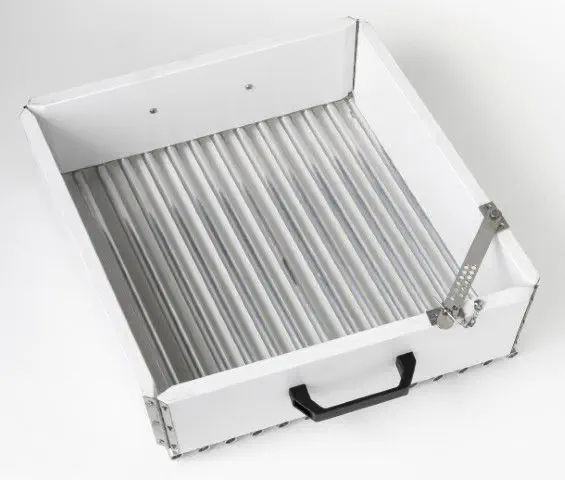
A fish grader is a simple yet essential piece of equipment used in aquaculture to sort fish according to size. Grading fish ensures that larger fish do not feed on smaller ones—a common problem known as cannibalism. Cannibalism can significantly reduce stock numbers, especially among fingerlings and juvenile fish, leading to financial losses for farmers.
Fish graders are designed with mesh screens or sieves of varying sizes, allowing farmers to separate fish efficiently. Depending on the model, you can manually grade fish or use mechanized graders for larger operations.
Internal Link Example: If you are looking for high-quality aquaculture tools, check out the Fish Cage Net Material at Cougar Nets, which pairs perfectly with grading practices for organized fish farms.
Why Cannibalism Is a Major Problem in Fish Farming
Cannibalism is a natural behavior among many fish species. However, in confined systems like ponds or cages, it becomes a serious issue.
Key Impacts of Cannibalism:
-
Reduced Stock Numbers – Losing fingerlings to larger fish reduces the final harvest weight and quantity.
-
Uneven Growth – When larger fish dominate feed access, smaller fish grow slowly, resulting in uneven batches that are harder to sell.
-
Financial Losses – Fewer harvestable fish means lower profits and wasted resources, including feed and labor.
Using a fish grader mitigates these risks by allowing farmers to sort fingerlings by size regularly, creating a more uniform and healthy population.
How a Fish Grader Works
Fish graders operate on a simple principle: size separation. The key components include:
-
Grading Mesh/Sieve – Panels or trays with holes sized to allow smaller fish to pass through while retaining larger fish.
-
Frame Structure – Supports the mesh and allows water flow during grading.
-
Optional Motorization – Some graders come with mechanized components for continuous grading in large-scale farms.
Step-by-Step Grading Process:
-
Fill the grader with water to reduce stress on the fish.
-
Pour the fingerlings into the grader.
-
Allow fish to move through the mesh; smaller fish pass through to a separate compartment.
-
Collect and transfer graded fish to designated tanks or ponds.
Mechanized graders allow continuous sorting without removing water, improving efficiency for commercial operations.
Internal Link Example: Pair your fish grader with an Aerator Pump for Ponds to maintain optimal oxygen levels while grading, keeping fingerlings healthy and active.
Benefits of Using a Fish Grader
Using a fish grader offers several significant advantages for fish farmers:
1. Reduces Cannibalism
Separating fish by size ensures larger fish do not prey on smaller fingerlings. This simple step can drastically reduce mortality rates and protect your stock investment.
2. Improves Growth Uniformity
Uniform fish populations grow consistently, making feed distribution more efficient and harvesting more predictable.
3. Increases Profits
By reducing losses and improving size uniformity, farmers can achieve higher yields and better market prices, effectively doubling profits.
4. Saves Labor and Time
Automated graders or well-designed manual graders allow for faster sorting compared to traditional hand-sorting methods, freeing up time for other farm activities.
5. Enhances Feed Efficiency
Grading allows you to feed fish according to size groups, ensuring all fish receive adequate nutrition and reducing feed wastage.
Applications of Fish Graders in Kenya
Fish graders are versatile and applicable in various aquaculture systems across Kenya and East Africa.
1. Pond-Based Farming
Earthen and concrete ponds are common in Kenya. Grading fingerlings regularly prevents smaller fish from being eaten by larger stock and ensures even growth.
Internal Link Example: Use a Fish Pond Cover Net to protect graded ponds from birds and debris while maintaining water quality.
2. Cage-Based Aquaculture
Floating cages in lakes or reservoirs like Lake Victoria benefit from fish grading to maintain uniform growth and reduce cannibalism.
Internal Link Example: Secure your cages with Fish Cage Net Material to ensure structural integrity during grading and harvest operations.
3. Hatcheries
In hatcheries producing fingerlings for sale, grading is crucial to separate weak or undersized fish, ensuring that only healthy, uniform fingerlings are distributed to farmers.
How to Choose the Right Fish Grader
Selecting the right fish grader depends on several factors:
-
Fish Species and Size – Match mesh sizes to the species you are farming. Tilapia, catfish, and trout all require different grading specifications.
-
Volume of Stock – Small-scale farmers may use simple manual graders, while large-scale operations benefit from mechanized models.
-
Water Conditions – Consider water depth and flow; some graders work better in shallow ponds, while others are suited for deeper tanks or cages.
-
Budget – Manual graders are cost-effective and durable, whereas automated graders require higher investment but increase efficiency.
Internal Link Example: For efficient fish farm operations, complement your grader with Braided Rope (10mm) to secure nets and cage systems.
Best Practices for Using Fish Graders
To maximize the benefits of your fish grader, follow these best practices:
-
Regular Grading – Grade fish at least every 2–4 weeks to maintain size uniformity.
-
Handle Fish Gently – Avoid overcrowding and rough handling to minimize stress.
-
Clean Graders Regularly – Prevent algae buildup and maintain smooth mesh surfaces for better grading.
-
Monitor Water Quality – Grading can temporarily stress fish, so ensure oxygen levels and temperature are optimal.
-
Record Keeping – Track the size and growth of graded fish to adjust feeding schedules and pond management strategies.
Internal Link Example: Enhance pond water management during grading with a Diesel Water Pump for efficient water circulation.
Comparing Fish Graders to Traditional Sorting Methods
Many farmers still rely on manual hand sorting, but fish graders provide clear advantages:
| Feature | Hand Sorting | Fish Grader |
|---|---|---|
| Speed | Slow | Fast, especially mechanized models |
| Labor | High | Reduced |
| Accuracy | Low | High, consistent size separation |
| Fish Stress | High | Lower, if used correctly |
| Scalability | Limited | Suitable for small & large farms |
Investing in a fish grader may seem like an upfront cost, but the long-term benefits far outweigh the initial investment.
Combining Fish Graders With Other Aquaculture Solutions
A well-managed fish farm relies on multiple solutions working together:
-
Aeration: Maintain oxygen levels with an Aerator Pump for Ponds.
-
Protection: Use Fish Pond Cover Nets to protect fingerlings after grading.
-
Feeding Management: Uniform fish sizes feed efficiently, reducing feed waste and improving growth rates.
-
Infrastructure: Secure cages and nets using Braided Rope (10mm) or PVC Coated Chain Link fencing.
Integrating these solutions ensures a sustainable, profitable fish farming operation.
Case Study: Doubling Profits With Fish Graders in Kenya
Several Kenyan fish farmers have reported impressive results after incorporating fish graders:
-
Lake Victoria Cage Farm: After introducing weekly grading, mortality among fingerlings dropped by 60%, and harvest weight increased by 40%.
-
Nairobi Peri-Urban Pond Farm: Grading tilapia every 3 weeks led to uniform growth and allowed farmers to sell all stock at premium size, doubling revenue.
These examples demonstrate that fish graders are not just tools—they are profit multipliers for smart farmers.
Maintenance Tips for Fish Graders
Maintaining your fish grader ensures durability and long-term efficiency:
-
Rinse After Use – Remove mud, algae, and fish residue after every session.
-
Inspect Mesh Regularly – Check for tears or wear that could allow fish to escape.
-
Lubricate Moving Parts – For mechanized graders, ensure smooth operation.
-
Store Properly – Keep graders out of direct sunlight when not in use to prevent UV damage.
Proper maintenance extends the life of your grader and guarantees consistent grading performance.
Conclusion
A fish grader is an indispensable tool for any serious aquaculture operation. By reducing cannibalism, ensuring uniform growth, and improving feed efficiency, it directly impacts profitability. Whether you are a small pond farmer or running large cage systems in Kenya or East Africa, integrating a fish grader into your operations is a strategic move toward sustainable and profitable fish farming.
Internal Link Example: Ready to upgrade your fish farm? Explore Fish Cage Net Material and other aquaculture essentials at Cougar Nets.
Get Your Premium Netting Solutions Today!
For the best quality netting solutions for farming, construction, home, or any other project, look no further than Cougar Nets. Our team of experts is ready to help you choose the perfect product for your needs.
NATIONWIDE & EAST AFRICA DELIVERY AVAILABLE
✔ Premium quality nets for all applications
✔ Professional installation & expert advice
✔ Bulk orders & custom solutions available
✔ Serving Kenya (Nairobi, Mombasa, Kisumu), Uganda, Tanzania, Rwanda & beyond.
Contact Us for a Quote:
Cougar Nets
Email: sales@cougarnets.com | info@cougarnets.com
Phone: +254 706 903 465
Visit Us: Darosa Plaza, Karen Rd, Nairobi
Website: https://cougarnets.co.ke/