No products in the cart.
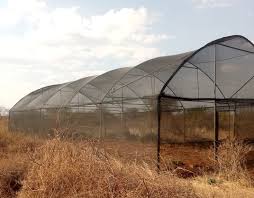
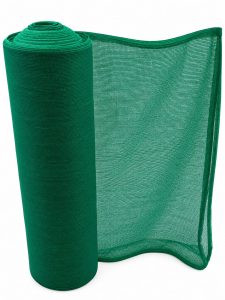
Shade nets in Kenya are specialized fabrics that help regulate sunlight, temperature, and airflow for crops and livestock. Using high-quality nets protects plants from heat stress, enhances yields, and creates optimal conditions for greenhouses and open-field farms.
Importance of Shade Nets in Kenya
Farming in Kenya faces challenges like intense UV radiation, high daytime temperatures, and irregular rainfall. Implementing 50%, 70%, and 80% shade nets allows farmers to protect seedlings, vegetables, and greenhouse crops while maintaining ideal growing conditions.
Cougar Nets offers durable shade nets designed to perform across Kenya’s climates, including highlands, coastal regions, and semi-arid areas. These nets are UV-stabilized and resistant to wear and tear, ensuring long-term farm protection.
What Are Shade Nets?
Shade nets are woven or knitted fabrics that reduce light intensity, creating controlled microclimates. They are widely used for:
- Protecting crops from heat and sunburn
- Reducing water evaporation
- Enhancing growth and productivity
- Providing shelter for poultry and livestock
Farmers often combine these nets with trellis nets for climbing plants or poultry mesh for secure chicken housing under shaded areas.
Types of Shade Nets in Kenya
Shade nets are categorized by shade percentage, indicating how much sunlight they block.
| Shade % | Light Transmission | Best Use | Durability |
|---|---|---|---|
| 50% | Allows 50% sunlight | Seedlings, vegetables | High |
| 70% | Allows 30% sunlight | Nurseries, medium crops | Very High |
| 80% | Allows 20% sunlight | Heat-sensitive crops, livestock shades | Very High |
Tip: Coastal areas may require 70–80% nets due to high UV exposure, while cooler highland farms can use 50–70% nets.
Benefits of Using Shade Nets
1. Temperature Control
Shade nets moderate temperatures, reducing heat stress for crops and livestock.
2. Sunlight Protection
UV-stabilized nets prevent scorching and leaf damage, improving plant health.
3. Water Savings
Reduced evaporation leads to lower irrigation requirements and more efficient water use.
4. Enhanced Crop Yields
Protection from heat and excessive sunlight improves fruiting, growth rates, and harvest quality.
5. Pest and Bird Management
When combined with anti-bird nets, shade nets act as a barrier against pests, protecting crops from damage.
Choosing the Right Shade Net
Factors to consider when selecting nets for Kenyan farms:
- Purpose: Greenhouse, nursery, open-field crops, or livestock shelter
- Shade percentage: 50%, 70%, or 80% based on crop or livestock needs
- UV resistance: Important for long-lasting performance under Kenya’s sun
- Material quality: High-density polyethylene (HDPE) or UV-stabilized plastics
- Installation area: Measure carefully to minimize wastage
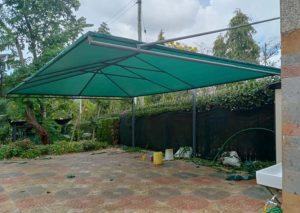
Pro tip: Combine shade nets with construction shade nets for larger setups or temporary shading structures.
Installation Guide for Shade Nets
- Measure the Coverage Area: Determine length and width of the farm or greenhouse.
- Choose Support Structures: Poles, frames, or greenhouse arches.
- Secure Nets: Attach with ties, clips, or hooks to prevent sagging.
- Ensure Proper Slope: Avoid water pooling during heavy rain.
- Regular Inspection: Check for tears, UV degradation, and loose edges.
Technical Comparison: 50%, 70%, and 80% Shade Nets
| Feature | 50% Shade Net | 70% Shade Net | 80% Shade Net |
|---|---|---|---|
| Sunlight Blocked | 50% | 70% | 80% |
| Ideal For | Seedlings, vegetables | Nurseries, medium crops | Heat-sensitive crops, livestock |
| Durability | High | Very High | Very High |
| UV Protection | Medium | High | Very High |
| Lifespan | 4–5 years | 5–6 years | 5–7 years |
Using high-quality nets reduces maintenance costs and improves long-term farm productivity.
Climate-Specific Advice for Kenyan Farms
- Nairobi & Highlands: Moderate sunlight; 50–70% nets suffice for most crops.
- Mombasa & Coastal Areas: High UV; 70–80% nets recommended.
- Rift Valley: Cooler areas; 50–70% nets prevent overheating while providing enough sunlight.
Integrating Shade Nets with Other Farming Solutions
- Use trellis nets with shade nets for climbing crops such as tomatoes, beans, or passionfruit.
- Install poultry mesh under shaded areas for chicken pens without compromising crop growth.
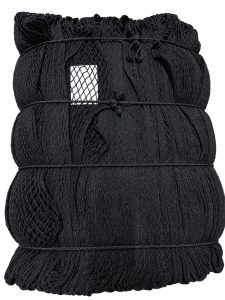
- Combine with anti-bird nets in fruit orchards to reduce losses from birds.
Frequently Asked Questions
Q1: Which net percentage is best for seedlings?
A: 50% nets allow moderate sunlight and protect young plants from scorching.
Q2: How long do shade nets last in Kenya?
A: UV-stabilized nets generally last 5–7 years if properly installed and maintained.
Q3: Can shade nets be used for livestock?
A: Yes, 70–80% nets provide optimal heat protection for poultry, goats, and cattle.
Conclusion
Choosing the correct shade nets for Kenyan farms protects crops, conserves water, and improves overall productivity. From 50% to 80% nets, Cougar Nets provides durable, UV-stabilized options suitable for all climates. Pair these nets with poultry mesh, trellis nets, or anti-bird nets to maximize farm efficiency and yield.
Get Your Premium Shade Nets Today!
Nationwide & East Africa delivery: Kenya (Nairobi, Eldoret, Kisumu), Uganda, Tanzania, Rwanda, South Sudan, Ethiopia.
Contact:
Email: sales@cougarnets.com | info@cougarnets.co.ke
Phone: +254 706 903 465
Visit: Darosa Plaza, Karen Rd, Nairobi
Website: https://cougarnets.co.ke