No products in the cart.
Are Automatic Fish Feeders Worth It? A Cost vs. Benefit Analysis
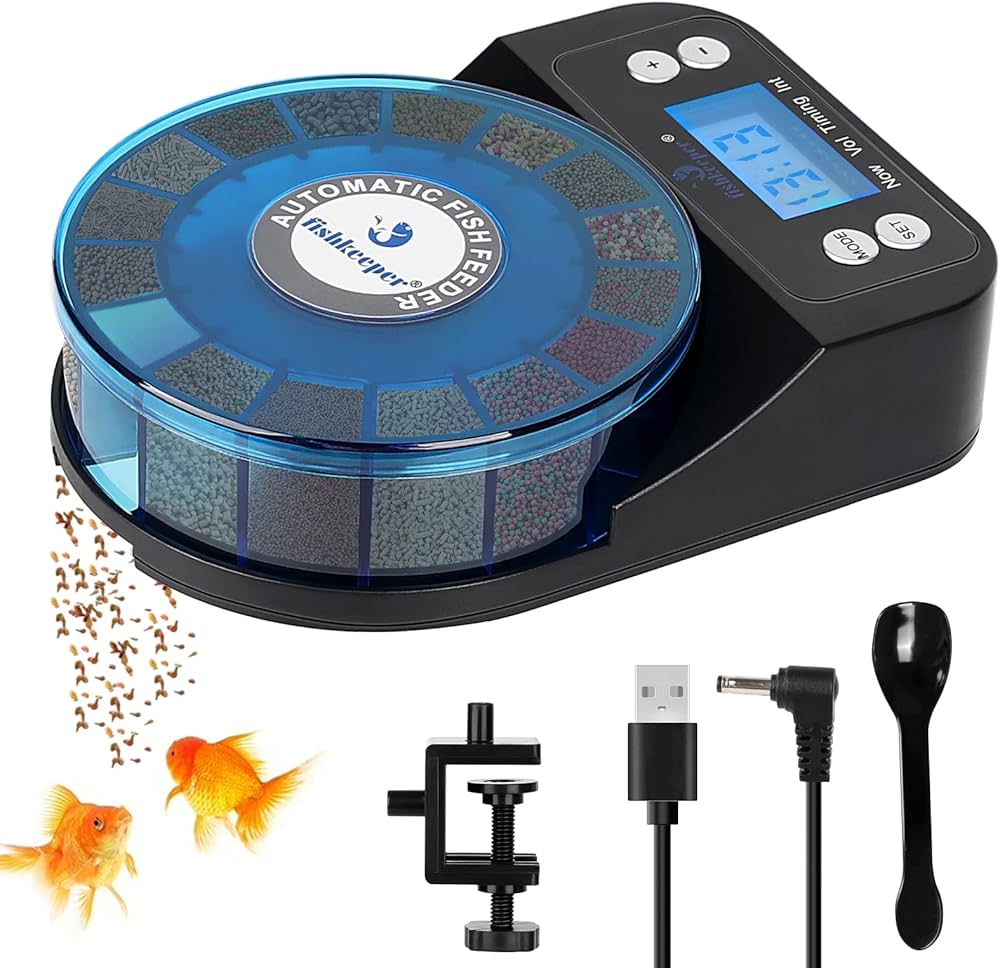
Automatic fish feeders have transformed the aquaculture industry in Kenya and across East Africa, offering an efficient solution for feeding fish in ponds and cages without the constant presence of a caretaker. Whether you manage a small-scale fish farm or operate a commercial aquaculture facility, understanding the cost vs. benefit of using an automatic fish feeder is crucial. In this guide, we will explore everything you need to know about automatic fish feeders and fish pallet machines, including their applications, advantages, and how they compare to traditional feeding methods.
Investing in the right feeding system can enhance fish growth, reduce wastage, and improve operational efficiency, making it a key decision for modern fish farmers.
What Is an Automatic Fish Feeder
An automatic fish feeder is a mechanical device designed to dispense fish feed at predetermined intervals and quantities. These devices range from simple battery-operated timers to advanced programmable machines capable of controlling multiple feeding schedules per day. When combined with a fish pallet machine, which compresses feed into uniform pellets, the feeding process becomes more efficient, consistent, and cost-effective.
Key features include:
-
Adjustable feeding schedules
-
Programmable portion sizes
-
Reduced labor requirements
-
Consistent feed distribution
By automating fish feeding, farmers ensure optimal nutrition, which directly contributes to higher growth rates and better fish health.
Types of Automatic Fish Feeders
Timer-Based Feeders
Timer-based feeders operate on a simple schedule, dispensing feed at fixed intervals. They are ideal for small to medium-sized fish ponds. These feeders are inexpensive and easy to maintain but require manual adjustment if feeding needs change due to seasonal growth or stocking density.
Sensor-Based Feeders
Sensor-based automatic feeders detect fish activity and water temperature to release feed accordingly. They are more precise and reduce feed wastage but tend to be more expensive. These feeders are highly suitable for commercial fish farms in Kenya, where maximizing ROI is essential.
Solar-Powered Feeders
Solar-powered automatic feeders are perfect for remote locations where electricity supply may be unreliable. These feeders harness solar energy to operate and are environmentally friendly. They are particularly popular in regions like Kisumu, Kakamega, and Western Kenya.
Benefits of Using Automatic Fish Feeders
Consistent Feeding
Manual feeding often leads to overfeeding or underfeeding, which can harm fish health and water quality. Automatic feeders ensure consistent feeding schedules and portions, promoting uniform growth.
Time and Labor Savings
Reducing manual labor allows farm managers to focus on other important aspects, such as water quality monitoring and disease prevention. Automatic feeders free up significant labor resources on commercial fish farms.
Reduced Feed Wastage
By dispensing precise quantities, automatic feeders minimize feed wastage. Less wasted feed translates into lower operational costs and a smaller environmental footprint.
Improved Fish Health
Even feeding intervals help maintain fish metabolism and reduce stress. Healthy fish are more resilient to diseases, resulting in higher survival rates.
Integration with Fish Pallet Machines
Using a fish pallet machine ensures feed is uniform in size, which enhances feeder performance and reduces blockages, making the entire feeding system more efficient.
Cost vs. Benefit Analysis
Investing in automatic fish feeders requires a careful cost vs. benefit analysis:
| Factor | Manual Feeding | Automatic Feeder |
|---|---|---|
| Initial Cost | Low | High |
| Labor Requirement | High | Low |
| Feed Wastage | Moderate to High | Low |
| Consistency | Low | High |
| Scalability | Limited | Excellent |
| ROI | Slow | Faster |
While the initial investment for an automatic feeder is higher, the benefits in feed savings, labor reduction, and improved growth rates often result in faster ROI, especially for farms with multiple ponds or high stocking densities.
How to Choose the Right Automatic Fish Feeder
Consider Farm Size
Smaller farms may not require highly advanced feeders, while large commercial operations benefit significantly from sensor-based systems.
Type of Fish
Different fish species have unique feeding habits. Catfish and tilapia, for example, may require different pellet sizes, influencing feeder selection.
Power Source Availability
Evaluate the reliability of electricity supply. Solar-powered feeders can be a sustainable alternative in off-grid areas.
Budget Constraints
Compare costs with expected feed savings and labor reductions to ensure the investment makes economic sense.
Integration with Existing Equipment
Ensure compatibility with your current fish cage net materials and other aquaculture infrastructure.
Maintenance Tips for Automatic Feeders
To maximize the lifespan and efficiency of your automatic fish feeder:
-
Clean the hopper regularly to prevent feed clumping
-
Inspect moving parts monthly
-
Store unused feed in a dry, cool place
-
Regularly check batteries or solar panels
-
Lubricate mechanical components as recommended
Proper maintenance ensures your feeder operates reliably and reduces repair costs over time.
Applications Beyond Fish Feeding
While automatic feeders are primarily used in aquaculture, they also integrate well with:
-
Aerator pumps for ponds to maintain oxygen levels
-
Fish pond cover nets to protect against predators
-
Cage-based farming setups requiring regular feeding without constant human presence
The combination of these systems creates a fully automated, high-efficiency aquaculture setup.
Why Cougar Nets Is Your Trusted Supplier
Cougar Nets has been a leading supplier of aquaculture equipment in Kenya, offering durable and high-quality solutions for fish farmers across the country. From fish cage net materials to chaff cutters and automatic feeders, we provide expert guidance and reliable delivery throughout Kenya and East Africa.
By choosing Cougar Nets, you gain access to:
-
Expert product advice
-
Nationwide delivery to locations including Nairobi, Mombasa, Kisumu, Eldoret, and Nakuru
-
Bulk purchasing options and custom solutions
Conclusion
Automatic fish feeders, when paired with a reliable fish pallet machine, offer significant advantages in aquaculture. They improve feeding consistency, reduce labor, and enhance fish health, ultimately leading to higher productivity and profitability. While the initial investment may seem high, the long-term benefits far outweigh the costs, especially for commercial fish farms aiming for scalability and efficiency.
For any fish farmer in Kenya or East Africa looking to modernize their feeding system, investing in an automatic feeder is a decision that pays off both financially and operationally.
Call to Action
Get Your Premium Netting Solutions Today
For the best quality netting solutions for farming, construction, home, or any other project, look no further than Cougar Nets. Our team of experts is ready to help you choose the perfect product for your needs.
NATIONWIDE & EAST AFRICA DELIVERY AVAILABLE
Premium quality nets for all applications
Professional installation and expert advice
Bulk orders and custom solutions available
Serving Kenya (Nairobi, Mombasa, Kisumu), Uganda, Tanzania, Rwanda and beyond
Contact Us for a Quote
Cougar Nets
Email: sales@cougarnets.com | info@cougarnets.co.ke
Phone: +254 706 903 465
Visit Us: Darosa Plaza, Karen Rd, Nairobi
Website: https://cougarnets.co.ke/