No products in the cart.
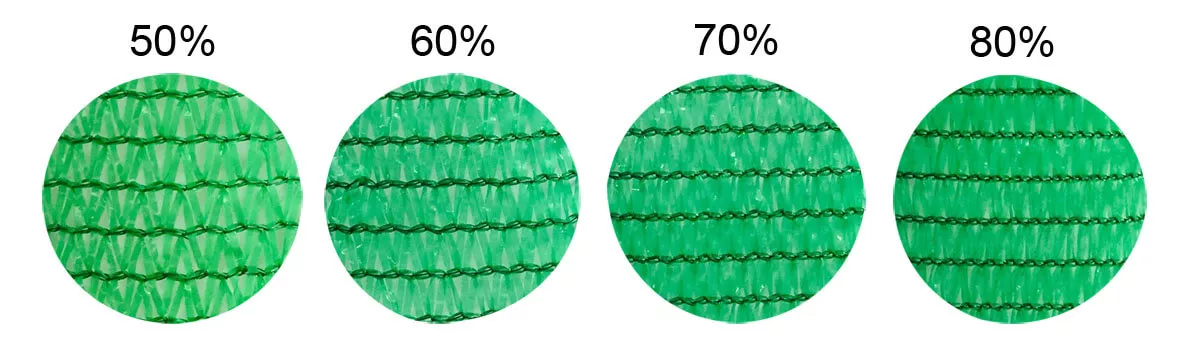
Shade Net Percentages Explained Which Net is Right for Your Crops 50% vs 70% vs 80%
Choosing the right shade net is a critical decision for farmers horticulturists and agribusinesses in Kenya and East Africa. Shade nets protect crops from excessive sunlight pests wind and harsh weather while creating optimal growth conditions. Understanding the differences between 50% 70% and 80% shade nets and knowing which netting solution is appropriate for your crop can significantly impact yield and quality
At Cougar Nets we provide high-quality shade nets designed to meet diverse agricultural and commercial needs. In this comprehensive guide we explain the differences between various shade net percentages their applications installation maintenance and benefits
What Are Shade Nets
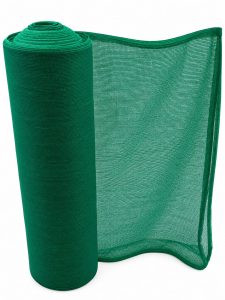
Shade nets are knitted or woven materials usually made from UV-stabilized polyethylene HDPE designed to reduce sunlight exposure. They are commonly measured by their percentage shading which indicates the amount of sunlight blocked
-
50% Shade Net Blocks 50% of sunlight allows more light and airflow Suitable for vegetables and young seedlings
-
70% Shade Net Blocks 70% of sunlight ideal for medium sunlight-sensitive crops such as tomatoes peppers and herbs
-
80% Shade Net Blocks 80% of sunlight protects delicate crops flowers and seedlings from excessive heat and UV rays
All our nets are made with premium UV-stabilized HDPE ensuring long-term durability even under intense African sun
Types of Shade Nets in Kenya
Shade nets in Kenya can be categorized by material GSM and shading percentage Cougar Nets offers a wide selection including
-
50% Shade Net Best for vegetables seedlings and areas requiring moderate light
-
70% Shade Net Ideal for greenhouse applications and ornamental plants
-
80% Shade Net Provides maximum protection from harsh sunlight and is often used for flowers fruit trees and nurseries You can explore our 80% GSM Shade Net for premium options
Other types include anti-bird nets for crop protection (Anti-Bird Net) insect nets (Insect Net) and trellis nets for climbing plants (Trellis Net for Climbing Plants)
How to Choose the Right Shade Net Percentage
Selecting the correct shade net depends on multiple factors
-
Crop Type Sun-loving crops like maize tolerate 50% nets while delicate plants like orchids may need 80%
-
Climate Areas with intense sunlight benefit from higher shading percentages
-
Growth Stage Seedlings may require denser shade mature plants often need moderate shade
-
Greenhouse vs Open Field Enclosed environments benefit from higher-density nets for temperature control
Here is a quick guide
| Shade Net % | Recommended Use | Benefits |
|---|---|---|
| 50% | Vegetables seedlings | Promotes growth allows airflow moderate sunlight |
| 70% | Herbs tomatoes flowers | Balances light and shade reduces heat stress |
| 80% | Orchids fruit trees nursery crops | Maximum sun protection prevents UV damage |
Benefits of Using Shade Nets for Agriculture
Shade nets are more than just sun blockers Here is why farmers across Kenya rely on them
-
UV Protection Reduces harmful radiation that can damage leaves and flowers
-
Pest and Bird Control Using anti-bird nets reduces crop loss
-
Temperature Regulation High-percentage nets help maintain cooler temperatures under the canopy
-
Wind and Rain Protection Durable nets shield plants from heavy winds hail and rain
-
Enhanced Crop Quality Less sun stress leads to improved taste size and color
-
Cost-Effective Farming Durable nets reduce the need for chemical sprays and frequent replacements
Applications Beyond Crop Protection
Shade nets are versatile and extend beyond traditional farming
Horticulture and Landscaping
-
Protect ornamental plants flowers and nursery seedlings
-
Provide controlled light conditions for plant nurseries
Poultry and Livestock
-
Reduce heat stress in poultry houses
-
Combine with plastic poultry mesh for safe enclosures
Aquaculture
-
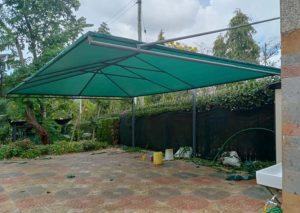
Shield fish ponds using fish pond cover nets to prevent predators and excessive sunlight
-
Improve water quality and growth conditions
Construction and Safety
-
Use heavy-duty shade and debris nets (Construction Debris Net) to protect workers and sites
-
Combine with cargo netting for material safety
Home and Commercial Spaces
-
Cover balconies and terraces for comfort and privacy
-
Enhance outdoor spaces with PVC coated chain link fencing or rabbit mesh for enclosures
Comparing Shade Net Materials HDPE vs PVC
Most shade nets are made from UV-stabilized HDPE which is lightweight durable and resistant to degradation Some specialty nets may use PVC offering higher weight and strength for construction or industrial purposes
| Feature | HDPE | PVC |
|---|---|---|
| Weight | Light | Heavier |
| UV Resistance | High | Moderate |
| Flexibility | Flexible | Rigid |
| Durability | 5–10 years | 3–5 years |
| Cost | Moderate | Higher |
For agriculture HDPE nets such as our shade nets category are ideal due to their longevity airflow and sun protection
Installation Guide for Shade Nets
Installing shade nets correctly ensures maximum efficiency and longevity Here is a step-by-step guide
-
Measure Your Area Determine the size of the net and height of poles or frames
-
Select Net Type Choose 50% 70% or 80% based on crop requirements
-
Install Support Structures Use poles frames or trellises for climbing plants (Trellis Net)
-
Attach Nets Securely Use durable ropes (Braided Rope 10mm) or fasteners
-
Regular Maintenance Inspect nets for tears and clean periodically to prevent debris accumulation
Maintenance Tips for Longevity
-
Regular Inspections Check for holes UV damage or fraying
-
Cleaning Remove dust leaves and droppings with water or a soft brush
-
Proper Storage During off-season roll and store nets in a dry shaded area
-
Avoid Sharp Objects Prevent punctures by keeping equipment away from nets
Cost Considerations for Farmers
Prices vary based on net type percentage and size Higher GSM and 80% shade nets are costlier but provide longer-term benefits and superior protection For competitive pricing Cougar Nets provides transparent rates and bulk options Explore our shade nets and 80% GSM options for detailed pricing
Why Choose Cougar Nets
Cougar Nets is a trusted supplier of premium netting solutions in Kenya and East Africa Our advantages include
-
Wide selection for agriculture aquaculture construction and fencing
-
Expert guidance on product selection and installation
-
Durable and high-quality materials ensuring long-term performance
-
Nationwide and regional delivery across East Africa
We supply anti-bird nets, trellis nets, insect nets, and a full suite of construction and agricultural solutions
Conclusion
Selecting the correct shade net percentage is essential for maximizing crop yield protecting plants from environmental stress and reducing losses due to pests or sun damage Whether you need 50% 70% or 80% shade nets Cougar Nets offers high-quality solutions tailored to your requirements
By understanding your crop needs local climate and installation requirements you can make an informed decision and invest in nets that provide both protection and value for years to come
Get Your Premium Netting Solutions Today
For the best quality netting solutions for farming construction home or any other project look no further than Cougar Nets Our team of experts is ready to help you choose the perfect product for your needs
NATIONWIDE & EAST AFRICA DELIVERY AVAILABLE
✔ Premium quality nets for all applications
✔ Professional installation and expert advice
✔ Bulk orders and custom solutions available
✔ Serving Kenya Nairobi Mombasa Kisumu Tanzania Uganda Rwanda and beyond
Contact Us for a Quote
Cougar Nets
Email sales@cougarnets.com | info@cougarnets.com
Phone +254 706 903 465
Visit Us Darosa Plaza Karen Rd Nairobi
Website https://cougarnets.co.ke/