No products in the cart.
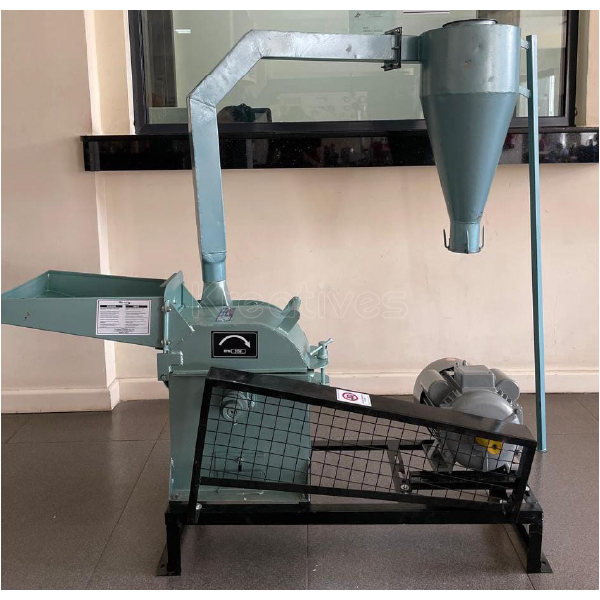
How to Start a Posho Mill Business in Kenya: A Complete Equipment List
Kenya’s agro-processing sector continues to grow rapidly, driven by increasing demand for maize and other cereals. One of the most lucrative ventures in this sector is starting a posho mill business. Posho mills, also known as disc mills or maize mills, are essential for grinding maize, wheat, and other grains into flour. With the right equipment, location, and business strategy, a posho mill can provide a sustainable income source while contributing to local food security.
This comprehensive guide covers everything you need to know about starting a posho mill business in Kenya, including the complete equipment list, setup considerations, operational tips, and financial planning.
Understanding the Posho Mill Business in Kenya
A posho mill is a mechanical device used to grind maize, wheat, millet, and other grains into fine flour or meal. In Kenya, maize is a staple food, and there is consistent demand for processed maize flour in households, restaurants, and bakeries. By operating a posho mill, entrepreneurs can tap into this high-demand market.
There are different types of posho mills:
-
Manual Posho Mills: Operated by hand, suitable for small-scale operations.
-
Electric Posho Mills: Powered by electric motors, ideal for medium to large-scale businesses.
-
Diesel-Powered Mills: Useful in areas without reliable electricity, offering higher grinding capacity.
The most common and profitable mills in Kenya are electric disc mills, which offer efficient, consistent grinding with minimal labor.
Benefits of Running a Posho Mill Business
Starting a posho mill business in Kenya offers several advantages:
-
High Demand for Maize Flour
Maize is a staple food in Kenya, consumed daily in households and institutions. A local posho mill ensures a steady customer base. -
Low Operating Costs
Electric posho mills consume relatively low energy and require minimal maintenance, making them cost-effective. -
Scalable Business Model
You can start with a single mill and expand as demand grows, adding more machines or diversifying into wheat, millet, or sorghum flour. -
Community Impact
Posho mills provide convenient, affordable flour for local communities while creating employment opportunities. -
Profitability
With proper management, a small to medium-scale posho mill can generate substantial monthly revenue, especially in high-population areas.
Essential Equipment for a Posho Mill Business
Starting a successful posho mill requires investing in the right equipment. Here is a complete list of the essential tools and machinery:
1. Posho Mill / Disc Mill
The posho mill or disc mill is the core equipment for grinding grains. Key considerations when selecting a posho mill include:
-
Grinding Capacity: Measured in kilograms per hour (kg/hr). Choose a mill that matches your projected demand.
-
Material Quality: Durable steel construction ensures long-term use.
-
Disc Type: Some mills have flat discs for fine flour, while others have grooved discs for coarser flour.
-
Electric or Diesel: Electric mills are convenient for areas with reliable power, while diesel mills work in off-grid locations.
Cougar Nets supplies high-quality posho mills suitable for small, medium, and large-scale operations in Kenya.
2. Electric Motor
Electric motors power disc mills efficiently and ensure continuous operation. Key factors to consider:
-
Horsepower (HP): Depends on the mill’s capacity. Common sizes range from 5 HP to 20 HP.
-
Voltage: Ensure compatibility with local electricity supply (commonly 220V or 380V three-phase).
-
Durability: Look for motors built for continuous operation to prevent frequent breakdowns.
A reliable electric motor is essential for maintaining consistent grinding and minimizing downtime.
3. Grain Cleaner
A grain cleaner removes impurities such as stones, dust, and husks before milling. Benefits include:
-
Protecting the Mill: Prevents damage to grinding discs.
-
Improving Flour Quality: Produces cleaner, finer flour for better market value.
-
Reducing Maintenance Costs: Fewer foreign materials in the mill reduce wear and tear.
4. Sifting Equipment
Sifting or sieving machines separate fine flour from coarser particles. This ensures uniform quality flour for customers. Sifting equipment can be manual or electric and is essential for producing high-grade flour.
5. Packaging Materials
After milling, flour needs to be packaged for sale. Required materials include:
-
Flour sacks or bags
-
Sealing machines or ties
-
Labels for branding and product information
Proper packaging improves product shelf life and enhances marketability.
6. Storage Bins and Silos
Grain storage is vital for maintaining quality before and after milling. Use:
-
Metal or Plastic Silos: Prevent moisture and pest infestation.
-
Storage Bins: For easy handling and measurement during milling.
7. Auxiliary Equipment
Additional equipment helps improve efficiency and safety:
-
Conveyors or Hoppers: Facilitate smooth grain feeding.
-
Cleaning Brushes & Tools: For routine maintenance.
-
Safety Gear: Gloves, masks, and ear protection for workers.
Cougar Nets also offers diesel water pumps and chaff cutters that can complement milling operations on farms producing maize and livestock feed.
Steps to Start Your Posho Mill Business
Starting a posho mill business requires careful planning and execution. Here’s a step-by-step guide:
Step 1: Conduct Market Research
-
Identify areas with high maize consumption and limited milling facilities.
-
Understand customer preferences for fine or coarse flour.
-
Analyze competitors and pricing structures.
Step 2: Secure a Suitable Location
-
Choose a site with easy access to suppliers and customers.
-
Ensure adequate space for milling, storage, and packaging.
-
Access to electricity or diesel supply is essential for continuous operations.
Step 3: Register Your Business
-
Register with the Kenya Business Registration Service (BRS).
-
Obtain relevant permits from local authorities, including health and safety compliance.
-
Consider registering with Kenya Revenue Authority (KRA) for tax compliance.
Step 4: Procure Equipment
-
Purchase a posho mill suitable for your scale.
-
Select an appropriate electric motor to power the mill.
-
Acquire cleaning, sifting, storage, and packaging equipment.
Step 5: Hire and Train Staff
-
Hire operators with technical knowledge or provide training.
-
Train staff on machine operation, maintenance, hygiene, and customer service.
Step 6: Set Competitive Pricing
-
Calculate production costs, including electricity, maintenance, labor, and raw grain.
-
Set prices that are competitive yet profitable.
Step 7: Market Your Products
-
Use word-of-mouth marketing in local communities.
-
Partner with restaurants, bakeries, and institutions.
-
Consider branding and packaging to distinguish your products.
Financial Considerations
Starting a posho mill business involves initial capital investment and operational expenses. Key financial components include:
-
Equipment Costs: Posho mill, electric motor, grain cleaner, sieving equipment.
-
Location Costs: Rent or purchase of premises.
-
Raw Material Costs: Purchase of maize and other grains.
-
Operational Costs: Electricity, labor, maintenance, and packaging.
A medium-scale posho mill business in Kenya can require an initial investment ranging from KES 200,000 to KES 1,000,000, depending on scale and equipment quality. With efficient operations, monthly profits can reach KES 50,000 to KES 150,000 or more.
Tips for Running a Successful Posho Mill Business
-
Maintain Equipment: Regular cleaning and lubrication of the mill prolongs lifespan and ensures consistent output.
-
Source Quality Grains: Partner with reliable suppliers to maintain flour quality.
-
Diversify Products: Offer maize flour, wheat flour, or custom blends to attract a wider market.
-
Build Customer Relationships: Deliver consistent quality and timely service to retain clients.
-
Monitor Electricity Consumption: Optimize operational hours to reduce energy costs.
Common Challenges and How to Overcome Them
1. Equipment Breakdowns
-
Solution: Purchase high-quality posho mills and perform routine maintenance.
2. Power Interruptions
-
Solution: Consider diesel-powered mills as backup or install generators.
3. Grain Shortages
-
Solution: Establish long-term contracts with local farmers or suppliers to ensure steady supply.
4. Competition
-
Solution: Offer high-quality, consistent flour and excellent customer service to differentiate your business.
Expanding Your Posho Mill Business
Once your business is stable, consider growth opportunities:
-
Adding more electric disc mills to increase capacity.
-
Venturing into wheat, millet, and sorghum milling.
-
Packaging and branding flour for retail and supermarket distribution.
-
Offering milling services for other farmers as a contract service.
Why Choose Cougar Nets Equipment
Cougar Nets is a trusted supplier of high-quality agro-processing equipment in Kenya. Advantages of sourcing from Cougar Nets include:
-
Durable Posho Mills: Long-lasting construction suitable for medium and large-scale businesses.
-
Reliable Electric Motors: Designed for continuous operation.
-
Expert Guidance: Assistance with selecting the right equipment for your business needs.
-
Nationwide Delivery: Serving Kenya and East Africa with efficient logistics.
-
Complementary Products: Access to related equipment like chaff cutters, water pumps, and storage solutions.
Partnering with Cougar Nets ensures you start your posho mill business with the best equipment and support in the region.
Conclusion
Starting a posho mill business in Kenya is a profitable and impactful venture, providing essential flour products to local communities while generating sustainable income. By investing in the right posho mill, electric motor, and supporting equipment, entrepreneurs can establish efficient operations and tap into the growing demand for maize and cereal flour. Careful planning, quality equipment, and strong business management are key to long-term success in this thriving sector.
Get Your Premium Agro-Processing Equipment Today!
For the best quality posho mills, disc mills, electric motors, and related equipment, look no further than Cougar Nets. Our team of experts is ready to help you choose the perfect product for your business needs.
NATIONWIDE & EAST AFRICA DELIVERY AVAILABLE
Premium quality equipment for all agro-processing applications
Professional advice and installation support
Bulk orders & custom solutions available
Serving Kenya (Nairobi, Eldoret, Nakuru), Tanzania, Uganda, Rwanda, and beyond
Contact Us for a Quote:
Cougar Nets
Email: sales@cougarnets.co.ke | info@cougarnets.co.ke
Phone: +254 706 903 465
Visit Us: Darosa Plaza, Karen Rd, Nairobi
Website: https://cougarnets.co.ke/