No products in the cart.
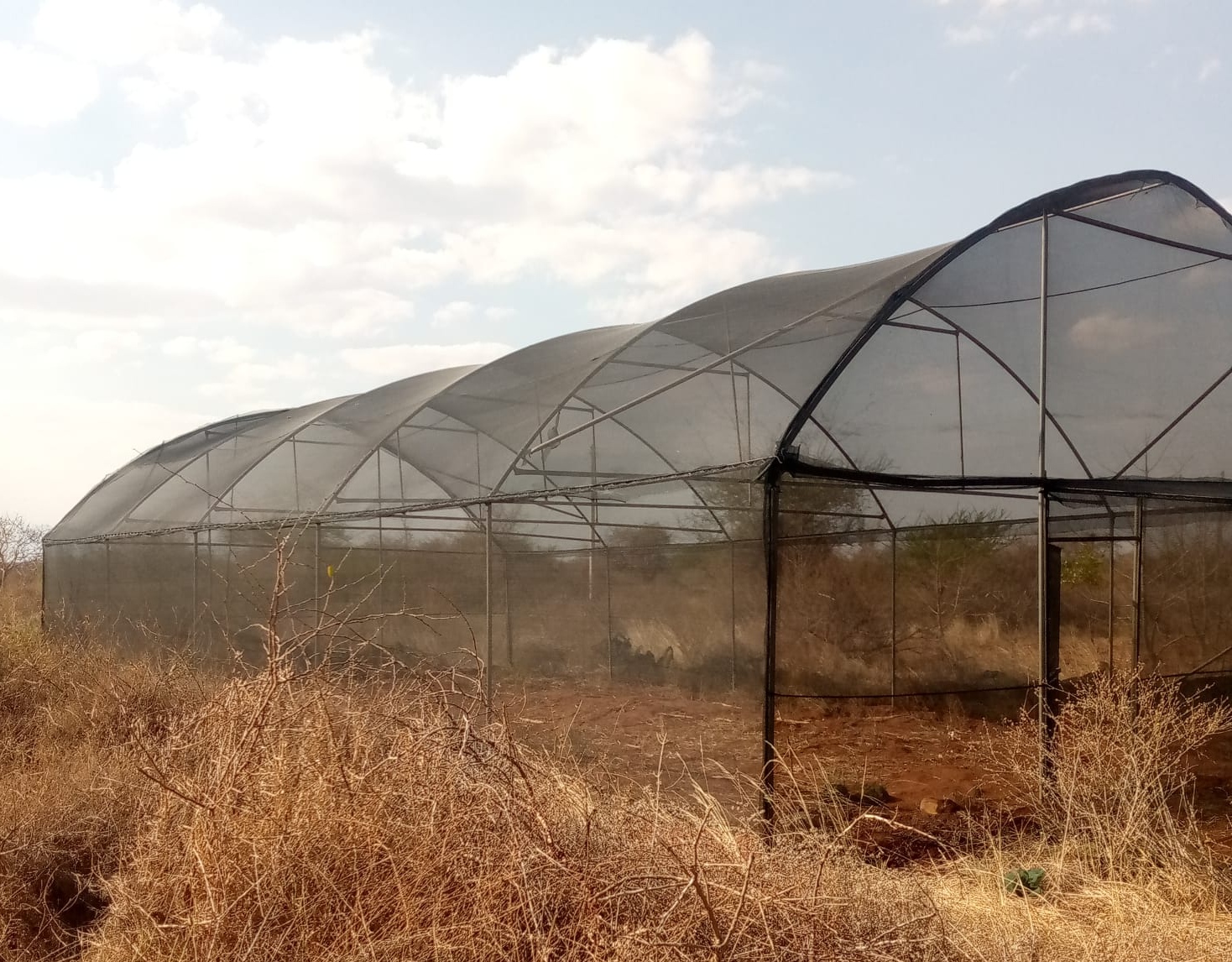
Choosing the Right Shade Net Percentage (50%, 70%, 80%) for Your Greenhouse or Garden
Shade nets have become an essential tool for farmers, horticulturists, and gardeners across Kenya and East Africa. They provide protection from harsh sunlight, regulate temperature, reduce water loss, and safeguard crops from pests and environmental stress. However, selecting the correct shade net percentage—whether 50%, 70%, or 80%—is critical to ensuring optimal plant growth and productivity.
At Cougar Nets, we supply high-quality, UV-stabilized shade nets suitable for greenhouses, gardens, nurseries, and commercial farms. This comprehensive guide will help you understand the different shade net percentages, their applications, benefits, and how to choose the right one for your specific crops and growing environment.
What Is a Shade Net and How Does It Work?
A shade net is a woven or knitted fabric made from polyethylene or other durable materials that block a specific percentage of sunlight. The percentage—50%, 70%, 80%, etc.—indicates how much light the net filters out:
-
50% Shade Net: Blocks 50% of sunlight, allowing more light through for plants that require higher sunlight exposure.
-
70% Shade Net: Provides medium shading, ideal for crops that need partial sunlight.
-
80% Shade Net: Offers maximum shading, protecting plants that are sensitive to heat and direct sunlight.
Shade nets help create a controlled microclimate, reducing temperature fluctuations, preventing sunburn on delicate leaves, and lowering evaporation rates. Using the right percentage ensures plants receive the optimal amount of light for photosynthesis without being stressed by excess heat.
For premium quality shade nets in Kenya, explore Cougar Nets’ range.
Benefits of Using Shade Nets
Shade nets provide multiple advantages, making them a cost-effective and practical solution for growers:
1. Temperature Control
Shade nets help maintain a stable temperature in greenhouses or garden areas, preventing overheating during hot months. The right percentage ensures plants thrive without suffering heat stress.
2. Water Conservation
By reducing direct sunlight, shade nets lower evaporation rates, conserving soil moisture and reducing the need for frequent irrigation. This is particularly valuable in regions with irregular rainfall.
3. Protection from UV Damage
High-quality nets, such as 80% GSM shade nets, are UV-stabilized to protect crops from harmful ultraviolet rays, extending the life of plants and their produce.
4. Pest and Bird Deterrence
Shade nets act as a physical barrier against birds and insects, minimizing crop losses. When combined with anti-bird nets or insect nets, they offer comprehensive crop protection.
5. Enhanced Crop Quality
By providing consistent light and temperature conditions, shade nets can improve fruit size, color, and overall crop quality. Crops grow healthier and more uniform under controlled shading.
Choosing the Right Shade Net Percentage
Selecting the appropriate shade net depends on your crops, environment, and desired outcomes. Here’s a detailed guide:
1. 50% Shade Net
Best For: Crops that require high sunlight, such as tomatoes, capsicum, and certain flowers.
Benefits:
-
Allows sufficient light for photosynthesis.
-
Reduces mild heat stress without blocking essential sunlight.
-
Suitable for areas with moderate temperatures.
Use Case: Small-scale vegetable gardens, nurseries, or greenhouses where direct sunlight is necessary but partially moderated.
2. 70% Shade Net
Best For: Crops needing moderate sunlight, including leafy vegetables, lettuce, and herbs.
Benefits:
-
Balances sunlight and shading for medium-light crops.
-
Protects plants from extreme sun exposure and wind damage.
-
Enhances water conservation by reducing soil evaporation.
Use Case: Commercial vegetable farms, ornamental plant nurseries, and mixed-use greenhouses.
Explore Cougar Nets’ 70% shade net options for medium sunlight crops.
3. 80% Shade Net
Best For: Plants highly sensitive to sunlight, such as orchids, ferns, or certain tropical crops.
Benefits:
-
Provides maximum shading and temperature control.
-
Protects from scorching, leaf burn, and moisture loss.
-
Ideal for regions with intense sunlight or during dry seasons.
Use Case: Shade-loving ornamental plants, delicate flowers, and high-value greenhouse crops. Check out Cougar Nets’ 80% GSM shade net for maximum protection.
Factors to Consider When Choosing Shade Nets
Beyond percentage, other factors influence net performance:
1. Material Quality
High-quality polyethylene nets are durable, UV-stabilized, and resistant to tears. Cougar Nets ensures all our products meet these standards for long-term use.
2. Greenhouse or Garden Design
Consider your greenhouse’s roof slope, orientation, and ventilation. Proper installation ensures optimal light diffusion and airflow.
3. Crop Sensitivity
Different plants have varying light and temperature requirements. Shade net selection should match these needs to avoid growth delays or reduced yields.
4. Regional Climate
Hot, arid areas may require higher shading (70–80%), while cooler regions can use 50% nets to maximize sunlight.
5. Multi-Layer Systems
Some farms benefit from combining nets—using a 50% net as an outer layer and a 70% or 80% net internally for sensitive crops, achieving optimal light management.
Applications of Shade Nets in Kenya
Shade nets are versatile, suitable for:
-
Greenhouses: Control sunlight, temperature, and humidity.
-
Nurseries: Protect seedlings from scorching sun and harsh weather.
-
Home Gardens: Enhance plant growth while conserving water.
-
Commercial Farms: Improve productivity and protect high-value crops.
Complementary netting products, such as trellis nets and insect nets, can further optimize crop yield and protection.
Installation Tips for Shade Nets
Proper installation maximizes efficiency:
-
Measure Area Accurately: Ensure complete coverage.
-
Use Durable Supports: Poles or frames should be sturdy enough to hold the net without sagging.
-
Secure Properly: Tie nets using strong braided rope 10mm or clips to prevent wind damage.
-
Adjust Seasonally: In some regions, nets may need repositioning depending on sun intensity.
-
Inspect Regularly: Check for wear and tear; repair immediately to avoid crop exposure.
Cougar Nets provides expert guidance and installation tips on our contact page.
Why Choose Cougar Nets for Shade Nets in Kenya
Cougar Nets is the premier supplier of shade nets and related products in Kenya and East Africa. Here’s why growers trust us:
-
Premium Quality Nets: Durable, UV-stabilized, and weather-resistant.
-
Wide Range of Percentages: 50%, 70%, and 80% nets for various crop needs.
-
Expert Advice: Our team assists you in selecting the right net for your greenhouse or garden.
-
Nationwide & East Africa Delivery: Serving Kenya (Nairobi, Mombasa, Kisumu), Uganda, Tanzania, Rwanda, and beyond.
-
Complementary Products: From anti-bird nets to trellis nets, we offer complete crop protection solutions.
Conclusion
Selecting the correct shade net percentage is vital for optimizing crop growth, protecting plants, and improving yields. Whether you choose 50%, 70%, or 80% shading, the key is matching the net to your crop type, environmental conditions, and farming objectives. With high-quality shade nets from Cougar Nets, you can create a controlled microclimate that promotes healthy, high-yielding crops season after season.
Get Your Premium Netting Solutions Today!
For the best quality netting solutions for farming, construction, home, or any other project, look no further than Cougar Nets. Our team of experts is ready to help you choose the perfect product for your needs.
NATIONWIDE & EAST AFRICA DELIVERY AVAILABLE
Premium quality nets for all applications
Professional installation & expert advice
Bulk orders & custom solutions available
Serving Kenya (Nairobi, Eldoret, Nakuru), Tanzania, Rwanda, Uganda & beyond.
Contact Us for a Quote:
Cougar Nets
Email: sales@cougarnets.com | info@cougarnets.co.ke
Phone: +254 706 903 465
Visit Us: Darosa Plaza, Karen Rd, Nairobi
Website: https://cougarnets.co.ke/