No products in the cart.

Anti-Hail Nets: How They Protect Your Nursery, Orchard or Farm from Weather Damage
Introduction: Safeguarding Your Crops with Anti-Hail Nets in Kenya
Farming in Kenya and East Africa presents a unique set of challenges, and unpredictable weather patterns are among the most significant threats to agricultural productivity. One of the most damaging weather events is hail, which can destroy young seedlings, ripen fruits, and damage entire orchards within minutes. For farmers, nurseries, and orchard managers, the cost of such damage can be substantial, both financially and in lost productivity.https://yayachemist.co.ke/
This is where anti-hail nets come into play. These specialized nets provide an effective, durable, and cost-efficient solution for protecting your farm, nursery, or orchard from hail damage. Cougar Nets, a leading supplier of high-quality netting solutions in Kenya, offers a range of anti-hail nets designed to meet the specific needs of East African farmers.
In this comprehensive guide, we will explore the benefits, applications, installation methods, and considerations for anti-hail nets, helping you make an informed decision to safeguard your crops.
What Are Anti-Hail Nets?
Anti-hail nets are high-density polyethylene (HDPE) or UV-stabilized nets designed to provide a protective barrier against hailstones, heavy rains, and even strong winds. Unlike traditional shade nets, which primarily reduce sunlight, anti-hail nets are specifically engineered to absorb the impact of hail and prevent direct damage to plants.
These nets are lightweight, flexible, and durable, making them ideal for a wide range of agricultural applications. In Kenya, where hailstorms can occur unpredictably, installing anti-hail nets can mean the difference between a successful harvest and significant losses.
Explore Anti-Bird Net Options Here – While designed for birds, similar materials and installation techniques can be adapted for protective purposes in nurseries.
Benefits of Using Anti-Hail Nets in Kenya
Investing in anti-hail nets offers numerous advantages that go beyond simple weather protection:
1. Protection from Crop Damage
Hail can bruise, puncture, or destroy fruits, seedlings, and vegetables. Anti-hail nets act as a shield, dispersing the force of hailstones and preventing direct impact on your plants. This protection is particularly vital for high-value crops such as mangoes, avocados, tomatoes, and ornamental plants.
2. Extended Growing Seasons
By providing a physical barrier against severe weather, anti-hail nets allow farmers to extend their growing seasons. Even during periods of heavy rain or unexpected storms, your crops remain safe, ensuring consistent yield and quality.
3. Reduction in Post-Harvest Losses
Damage from hail often leads to bruising and spoilage, affecting the shelf life of fruits and vegetables. Anti-hail nets reduce these losses, allowing for better-quality produce to reach the market.
4. UV Protection
Many anti-hail nets come with built-in UV stabilization, which protects sensitive crops from excessive sunlight while still allowing sufficient light for photosynthesis. This dual protection helps maintain healthy growth throughout the year.
5. Cost-Effective and Durable
Compared to building permanent structures or greenhouses, anti-hail nets are a more affordable and flexible solution. With proper maintenance, these nets can last 5–10 years, providing long-term protection for your investment.
Check Our Anti-Bird Net for Effective Coverage
Types of Anti-Hail Nets Available in Kenya
Anti-hail nets come in various specifications, depending on mesh size, material, and intended application.
1. HDPE Anti-Hail Nets
High-density polyethylene (HDPE) nets are strong, lightweight, and resistant to tearing. They are UV-stabilized and can withstand prolonged exposure to sunlight without degrading.
2. PVC-Coated Anti-Hail Nets
PVC-coated nets offer enhanced durability and weather resistance. They are ideal for orchards and nurseries that experience frequent heavy storms.
3. Mesh Sizes and Densities
-
Small Mesh (10–15mm): Provides maximum protection against small hailstones; ideal for nurseries with delicate seedlings.
-
Medium Mesh (15–25mm): Suitable for orchards and vegetable farms where moderate protection is sufficient.
-
Large Mesh (25–40mm): Offers light hail protection and is often used in combination with other nets like shade nets.
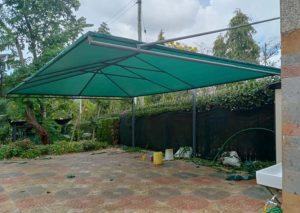
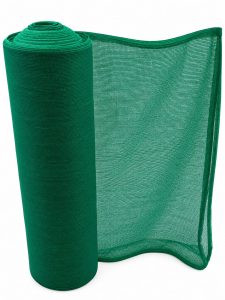
Explore Shade Nets for Complementary Protection
Applications of Anti-Hail Nets
1. Nurseries
Young plants are extremely vulnerable to hail damage. Installing anti-hail nets over your nursery protects seedlings, ensuring higher survival rates and stronger plants for transplantation.
2. Orchards
Fruit trees, particularly mango, avocado, and citrus, are prone to hail damage. Anti-hail nets preserve the integrity of fruits, reduce bruising, and minimize losses during storms.
3. Vegetable Farms
Hail can destroy entire fields of tomatoes, kale, cabbage, and other vegetables in a matter of minutes. Anti-hail nets provide a cost-effective protective barrier without the need for permanent structures.
4. Flower Farms
Ornamental flowers such as roses, carnations, and lilies require pristine conditions for marketability. Anti-hail nets prevent petal bruising and stem damage, maintaining flower quality for sale.
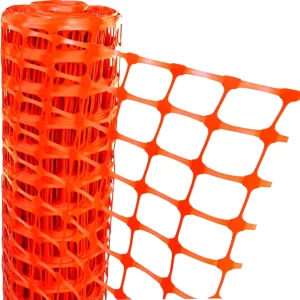
Consider Trellis Netting for Plant Support
How to Install Anti-Hail Nets on Your Farm
Proper installation is key to maximizing the effectiveness of anti-hail nets. Here’s a step-by-step guide:
-
Measure Your Area: Calculate the dimensions of the nursery, orchard, or farm that needs protection. Include extra length to allow for anchoring and securing the nets.
-
Select Support Structures: Use poles, posts, or a framework to hold the net above the plants. Ensure the structure is sturdy enough to withstand wind and hail impact.
-
Secure the Netting: Spread the net over the framework and anchor it using ropes, ties, or clips. Ensure there are no gaps where hail could penetrate.
-
Adjust Tension: Keep the net taut but not overly stretched, as this may reduce its lifespan. Proper tension ensures hail impact is absorbed and dispersed effectively.
-
Regular Maintenance: Inspect the nets periodically for wear and tear, and repair any damage promptly to maintain optimal protection.
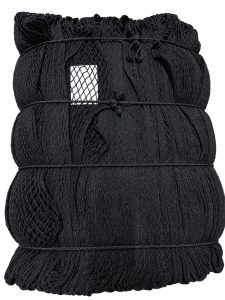
Braided Rope for Securing Nets
Comparison: Anti-Hail Nets vs. Shade Nets
| Feature | Anti-Hail Nets | Shade Nets |
|---|---|---|
| Primary Function | Protects against hail and storm damage | Reduces sunlight intensity |
| Material | HDPE or PVC-coated | HDPE |
| UV Protection | Yes | Yes |
| Durability | High | Moderate to high |
| Ideal Use | Orchards, nurseries, vegetable farms | Nurseries, greenhouses, gardens |
| Cost | Moderate | Low to moderate |
While shade nets are useful for light protection and temperature control, anti-hail nets are essential for safeguarding crops against severe weather events. Many farmers combine both nets for comprehensive protection.
Additional Considerations for Kenyan Farmers
-
Climate Conditions: Evaluate the frequency and intensity of hail in your region. Areas in central and western Kenya are more prone to hailstorms.
-
Crop Value: High-value crops like fruits and flowers benefit most from anti-hail nets due to potential revenue loss from damage.
-
Net Longevity: Choose UV-stabilized nets for longer life, especially in high-sunlight regions.
-
Ease of Installation: Lightweight nets with flexible frameworks reduce labor costs and allow seasonal adjustments.
-
Budget: Anti-hail nets provide a cost-effective alternative to permanent protective structures while offering high levels of protection.
Explore PVC Tarpaulin for Additional Coverage
Maintenance Tips for Anti-Hail Nets
-
Inspect nets monthly for tears or sagging.
-
Clean nets gently using water to remove dust and debris.
-
Ensure support structures remain sturdy and upright.
-
Replace nets showing signs of wear to maintain optimal protection.
Regular maintenance not only extends the life of your nets but also ensures continuous protection against hailstorms.
Why Choose Cougar Nets for Anti-Hail Protection in Kenya?
Cougar Nets is a trusted supplier of high-quality netting solutions across Kenya and East Africa. We provide:
-
Premium quality anti-hail nets designed for durability and effectiveness.
-
Expert advice on selecting the right net for your farm or nursery.
-
Nationwide delivery and professional installation services.
-
Custom solutions tailored to unique farm layouts and crop types.
Conclusion
Weather events like hailstorms can have devastating impacts on farms, nurseries, and orchards. Anti-hail nets provide an affordable, effective, and durable solution to protect your crops and ensure consistent yields. By investing in high-quality nets from Cougar Nets, you safeguard not only your plants but also your livelihood and long-term farming success in Kenya and East Africa.https://cougarnets.co.ke/
Call to Action (CTA)
Get Your Premium Netting Solutions Today!
For the best quality netting solutions for farming, construction, home, or any other project, look no further than Cougar Nets. Our team of experts is ready to help you choose the perfect product for your needs.
NATIONWIDE & EAST AFRICA DELIVERY AVAILABLE
Premium quality nets for all applications
Professional installation & expert advice
Bulk orders & custom solutions available
Serving Kenya (Nairobi, Mombasa, Kisumu), Uganda, Tanzania, Rwanda & beyond.
Contact Us for a Quote:
Cougar Nets
Email: sales@cougarnets.com | info@cougarnets.comPhone: +254 706 903 465
Visit Us: Darosa Plaza, Karen Rd, Nairobi
Website: https://cougarnets.co.ke/