No products in the cart.
Plastic Geo-Grid Mesh: What It Is and How It Helps in Soil Erosion Control
Introduction: The Role of Geo-Grid Mesh in Modern Soil Management
Soil erosion is a significant challenge for farmers, civil engineers, and construction managers across Kenya and East Africa. Heavy rains, wind, and poor land management can wash away topsoil, reduce agricultural productivity, and compromise the stability of roads, embankments, and construction sites. One effective solution to combat these problems is the use of plastic geo-grid mesh.
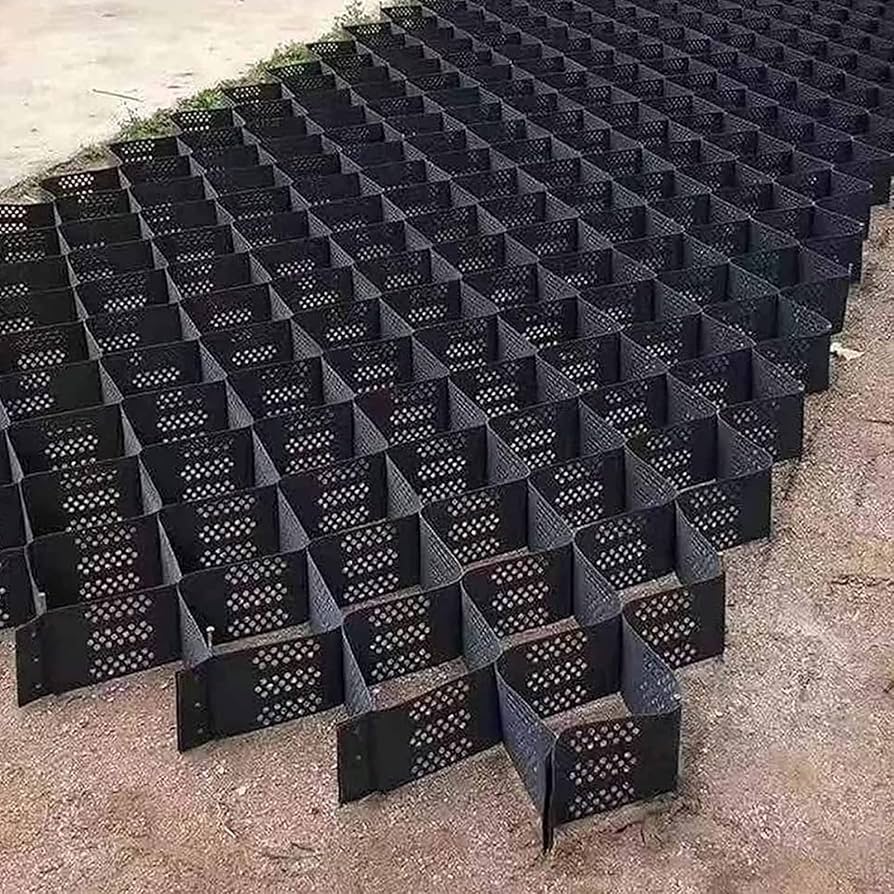
Plastic geo-grid mesh is a geosynthetic material that reinforces soil, prevents erosion, and provides structural stability for roads, embankments, and agricultural land. Its durability, versatility, and ease of installation make it a preferred choice for both large-scale civil projects and farm-level soil management.
In this guide, we explore what plastic geo-grid mesh is, its applications, benefits, installation techniques, and why it is a crucial investment for sustainable land management in Kenya.https://yayachemist.co.ke/
What Is Plastic Geo-Grid Mesh?
Plastic geo-grid mesh is a type of geosynthetic material made from high-density polyethylene (HDPE), polypropylene (PP), or other polymeric materials. It consists of a network of interconnected ribs that form a grid pattern designed to stabilize soil, distribute loads, and prevent erosion.
Unlike traditional erosion control methods like gabions or stone pitching, geo-grid mesh offers lightweight, cost-effective, and highly durable reinforcement. It allows for water drainage while keeping soil in place, making it ideal for both agricultural and construction applications.
Key Benefits of Using Plastic Geo-Grid Mesh
1. Soil Stabilization and Erosion Control
Plastic geo-grid mesh distributes loads evenly across the soil surface, reducing the risk of ruts, landslides, or surface erosion. It is particularly useful for embankments, slopes, and areas prone to heavy rainfall.
2. Improved Load-Bearing Capacity
When used in road construction or heavy-traffic areas, geo-grid mesh reinforces the soil base, allowing it to support heavier loads without cracking or sinking.
3. Cost-Effective and Durable
Unlike concrete or metal reinforcement, plastic geo-grid mesh is lightweight, resistant to UV radiation, and impervious to corrosion, ensuring a long service life with minimal maintenance.
4. Environmental Benefits
Geo-grid mesh allows vegetation to grow through its openings, promoting natural soil stabilization and preventing the disruption of local ecosystems.
5. Easy Installation
Plastic geo-grid mesh can be rolled out and anchored quickly, reducing labor costs and installation time compared to traditional soil reinforcement methods.
Applications of Plastic Geo-Grid Mesh in Kenya
1. Agriculture and Farming
-
Prevents soil erosion on farms and terraces.
-
Protects crop roots from washing away during heavy rains.
-
Stabilizes embankments around irrigation canals.
2. Road Construction
-
Reinforces subgrades in roads and highways.
-
Reduces rutting and surface cracking in heavy-traffic areas.
3. Slopes and Embankments
-
Secures steep slopes against landslides and surface runoff.
-
Ideal for riverbanks, drainage channels, and roadside embankments.
4. Retaining Walls and Civil Engineering Projects
-
Used under retaining walls or behind gabions to improve soil stability.
-
Supports lightweight structures without requiring heavy foundations.
How Plastic Geo-Grid Mesh Works
The mesh works by distributing loads over a wider area and interlocking with soil particles. Its grid structure creates confinement, preventing lateral soil movement and reducing the rate of erosion. When vegetation grows through the mesh, it forms a natural reinforcement layer, combining mechanical stabilization with biological growth.
Key factors influencing effectiveness:
-
Mesh aperture size: Determines how well soil particles lock into the grid.
-
Tensile strength: High-strength grids are suitable for heavy-load applications.
-
Soil type and compaction: Mesh works best when installed on properly compacted soil.
Installation Guide for Plastic Geo-Grid Mesh
-
Site Preparation: Clear vegetation, debris, and large stones from the installation area. Level and compact the soil surface.
-
Layout and Cutting: Roll out the geo-grid mesh over the area, cutting it to fit the site dimensions.
-
Anchoring: Use stakes, pins, or spikes to anchor the mesh firmly to the soil.
-
Filling: Backfill the mesh with soil, gravel, or other suitable material, ensuring the grid is covered and stabilized.
-
Compaction: Compact the backfill to enhance stability and ensure interlocking with the mesh.
-
Finishing: For slopes, plant vegetation through the mesh openings to maximize soil retention.
Choosing the Right Plastic Geo-Grid Mesh
When selecting geo-grid mesh for your project, consider the following:
-
Tensile Strength: Higher strength for roads and embankments; moderate strength for farm erosion control.
-
Aperture Size: Match mesh size to soil particle size for effective interlocking.
-
Material Quality: UV-stabilized HDPE or PP ensures longevity under Kenyan sunlight.
-
Width and Length: Large rolls reduce installation time and seams.
Advantages Over Traditional Erosion Control Methods
| Feature | Plastic Geo-Grid Mesh | Traditional Methods (Gabions, Stone Pitching) |
|---|---|---|
| Weight | Lightweight | Heavy, difficult to transport |
| Installation | Quick, minimal labor | Labor-intensive, slow |
| Durability | UV-resistant, corrosion-proof | Can degrade or shift over time |
| Cost | Cost-effective | High material and labor cost |
| Environmental Impact | Supports vegetation growth | Often disrupts ecosystem |
Why Choose Cougar Nets for Geo-Grid Mesh in Kenya
Cougar Nets supplies high-quality plastic geo-grid mesh suitable for agriculture, civil engineering, and erosion control projects. Key benefits include:
-
Durable, UV-resistant HDPE grids designed for Kenyan conditions.
-
Expert guidance on mesh selection and installation.
-
Nationwide delivery across Kenya and East Africa.
-
Bulk supply and custom solutions for large-scale projects.
Conclusion
Plastic geo-grid mesh is a versatile and effective solution for soil stabilization and erosion control. Whether you are a farmer, construction manager, or civil engineer, using the right geo-grid mesh can save costs, protect the environment, and ensure the longevity of your project. By investing in quality materials and following proper installation practices, you can effectively prevent soil erosion and enhance land productivity in Kenya and East Africa.https://cougarnets.co.ke/
Call to Action (CTA)
Get Your Premium Netting and Geo-Grid Solutions Today!
For the best quality nets and geo-grid solutions for farming, construction, or erosion control, look no further than Cougar Nets. Our team of experts is ready to help you choose the perfect product for your needs.
NATIONWIDE & EAST AFRICA DELIVERY AVAILABLE
Premium quality nets and geosynthetics for all applications
Professional installation & expert advice
Bulk orders & custom solutions available
Serving Kenya (Nairobi, Mombasa, Kisumu), Uganda, Tanzania, Rwanda & beyond
Contact Us for a Quote:
Cougar Nets
Email: sales@cougarnets.com | info@cougarnets.com
Phone: +254 706 903 465
Visit Us: Darosa Plaza, Karen Rd, Nairobi
Website: https://cougarnets.co.ke/