No products in the cart.
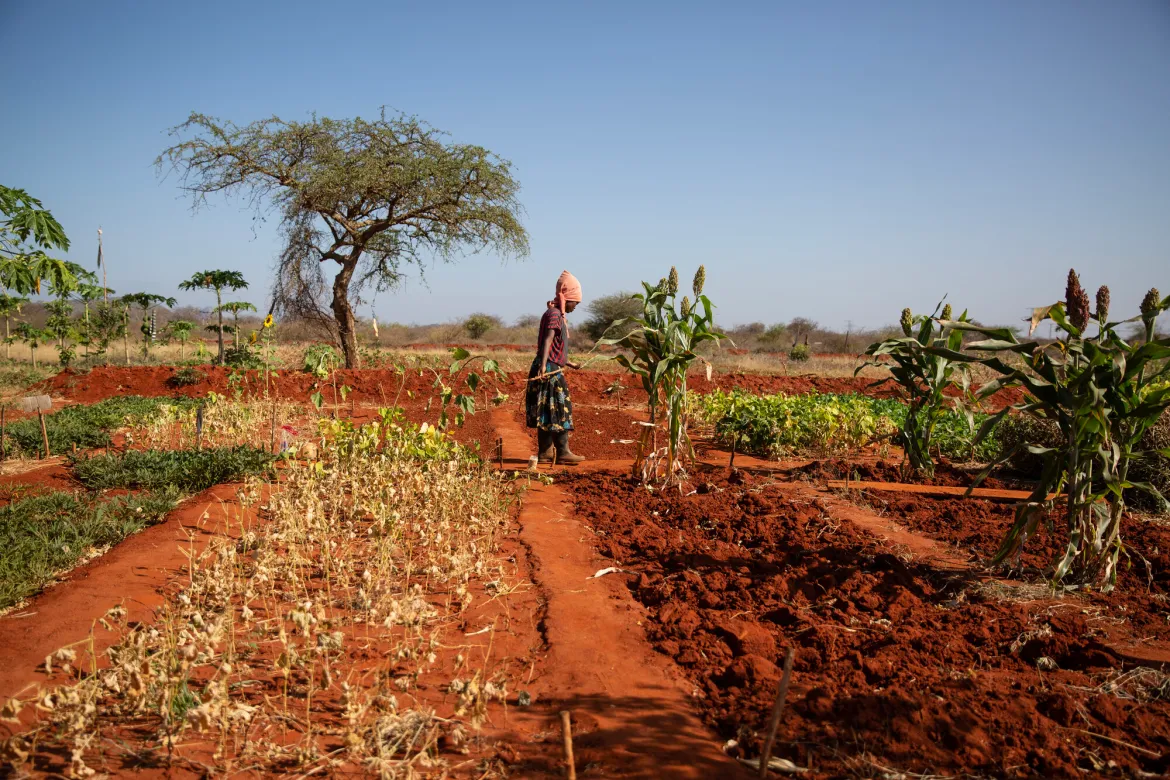
Climate change significantly affects small-scale farmers in Kenya by altering rainfall patterns, increasing temperatures, and intensifying extreme weather events. These changes threaten crop yields, livestock health, and water availability, reducing farm income and food security. Cougar Nets provides protective nets and solutions that mitigate climate risks by shielding crops, poultry, and fish ponds from heat, pests, and environmental stress.
Introduction: Climate Change and Small-Scale Farming in Kenya
Small-scale farmers form the backbone of Kenya’s agricultural economy, producing over 70% of the country’s food supply. However, climate change has emerged as a major challenge, disrupting traditional farming practices. Unpredictable rainfall, prolonged droughts, floods, and rising temperatures affect crop growth, livestock productivity, and farm sustainability.
Cougar Nets has positioned itself as a trusted partner for Kenyan farmers, offering durable shade nets, poultry mesh, anti-bird nets, and fish pond covers that reduce climate-related risks. By integrating protective netting into farm planning, farmers can safeguard their investments while ensuring eTIMS compliance for business tax deductions.
H2: How Climate Change Affects Crop Production
Altered Rainfall Patterns
-
Erratic rainfall reduces planting predictability and increases drought risk.
-
Flood events can wash away seeds and erode fertile topsoil.
Rising Temperatures
-
High daytime temperatures stress crops like maize and tomatoes, reducing yields.
-
Heatwaves increase evapotranspiration, necessitating more irrigation.
| Crop | Optimal Temperature (°C) | Climate Risk | Mitigation with Nets |
|---|---|---|---|
| Maize | 18–27 | Heat stress, irregular rainfall | Shade Nets reduce heat load |
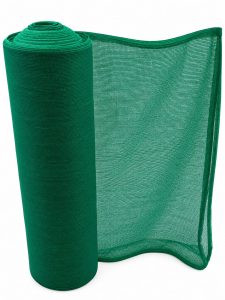
| Tomatoes | 20–25 | Blossom drop, sunburn | Use high GSM 80% Shade Nets |
| Leafy Vegetables | 18–25 | Wilting, pest infestation | Nets protect microclimate and reduce water loss |
H2: Livestock Challenges Under Changing Climate
-
Heat stress reduces milk production in dairy cows and egg-laying rates in poultry.
-
Scarcity of water and fodder affects livestock health and growth.
Solutions:
-
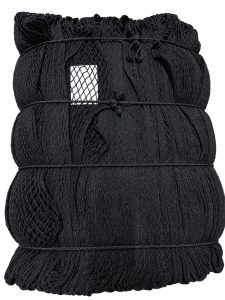
Install Poultry Mesh to provide ventilated but secure housing for birds.
-
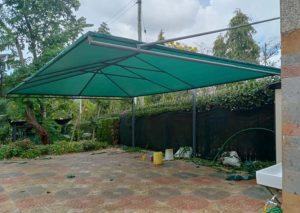
Use shade nets over livestock areas to reduce direct sun exposure.
-
Ensure water points are protected and clean, reducing contamination and wastage.
H2: Water Scarcity and Irrigation Challenges
Climate change affects water availability, forcing small-scale farmers to adopt efficient water management strategies.
| Water Issue | Impact | Mitigation Strategy |
|---|---|---|
| Drought | Reduced irrigation water | Rainwater harvesting, mulching, shade nets to reduce evaporation |
| Flooding | Soil erosion, nutrient loss | Raised beds, drainage channels, protective nets over crops |
| Contaminated Water | Livestock and crop health | Secure water troughs with anti-bird nets and clean storage tanks |
Using Fish Pond Cover Nets for aquaculture helps minimize evaporation and protects against extreme rainfall events.
H2: Pest and Disease Pressure in a Changing Climate
-
Warmer temperatures and high humidity increase pest populations and disease prevalence.
-
Crop and livestock vulnerability rises when stressed by heat or drought.
Protective Measures:
-
Insect Nets: Reduce pest damage in greenhouses and crop fields (Insect Nets).
-
Anti-Bird Nets: Protect seeds and seedlings from bird predation (Anti-Bird Net).
-
Regular rotation of crops reduces soil-borne diseases and enhances resilience.
H2: Climate-Smart Farm Layouts
Farm layout planning helps mitigate climate risks by optimizing water use, sunlight exposure, and protection measures.
-
Zoning: Group crops with similar water and sunlight needs.
-
Microclimate Design: Place shade nets to reduce heat exposure for sensitive crops.
-
Irrigation Planning: Integrate drip irrigation with netting to conserve water.
-
Infrastructure Placement: Store equipment and inputs in protected areas using Construction Shade Nets.
A climate-smart layout enhances efficiency, reduces losses, and increases resilience to extreme weather events.
H2: Economic Implications for Small-Scale Farmers
-
Reduced yields lead to lower incomes and increased food insecurity.
-
High input costs from supplemental irrigation and pest control strain budgets.
-
Climate-adapted strategies like protective nets are cost-effective long-term investments.
Example Table – Cost-Benefit of Nets in Climate Adaptation
| Net Type | Initial Cost (KES/m²) | Yield Protection (%) | ROI (Years) |
|---|---|---|---|
| Shade Nets 80% GSM | 120 | 20–30 | 2–3 |
| Poultry Mesh 400 GSM | 150 | 25–35 | 1–2 |
| Fish Pond Cover | 180 | 30–40 | 2–3 |
| Anti-Bird Nets | 100 | 15–25 | 2 |
Cougar Nets ensures all products come with eTIMS-compliant invoices, supporting farm investment deductions.
H2: Strategies for Building Resilience
-
Diversify Crops and Livestock: Reduce risk from climate shocks.
-
Use Protective Netting: Reduce heat, pests, and water loss.
-
Water-Efficient Practices: Rainwater harvesting, drip irrigation, and mulching.
-
Climate-Smart Layouts: Optimize microclimates and infrastructure.
-
Adopt Early Warning Systems: Monitor rainfall, temperature, and pest outbreaks.
By implementing these strategies, small-scale farmers in Kenya can sustain productivity even under adverse climate conditions.
H2: Policy and Support Mechanisms
-
Government initiatives promote climate-smart agriculture and provide subsidies for protective netting.
-
NGOs and agritech companies provide training on resilient farm practices.
-
Cougar Nets works with farmers to supply high-quality netting solutions aligned with national climate adaptation programs.
Conclusion
Climate change poses severe challenges to Kenyan small-scale farmers, affecting crops, livestock, and water resources. By adopting protective netting solutions, efficient farm layouts, and climate-smart practices, farmers can mitigate risks, sustain yields, and protect their livelihoods. Cougar Nets offers premium shade nets, poultry mesh, anti-bird nets, fish pond covers, and trellis nets, all backed by eTIMS compliance to support investment deductions.
CTA: Get Your Premium Netting Solutions Today!
Ensure your farm is resilient to climate change with Cougar Nets. Our experts help you choose the right solutions for crops, livestock, and aquaculture.
Nationwide & East Africa Delivery Available
Premium quality nets for all applications
Professional installation and expert advice
Bulk orders and custom solutions available
Serving Kenya (Nairobi, Eldoret, Kisumu), Uganda, Tanzania, Rwanda, South Sudan, Ethiopia, and beyond
Contact Us for a Quote:
Email: sales@cougarnets.com | info@cougarnets.com
Phone: +254 706 903 465
Visit Us: Darosa Plaza, Karen Rd, Nairobi