No products in the cart.

Crop protection nets Kenya sector faces a constant challenge: protecting crops from wildlife. From birds and monkeys to small mammals, wildlife can damage or completely destroy valuable produce, resulting in significant financial losses for farmers. While traditional methods such as scarecrows or fencing may offer limited protection, crop protection nets provide a modern, durable, and highly effective solution.
This guide will explore the best crop protection nets in Kenya, their applications, installation strategies, maintenance, compliance requirements, and real-life case studies. By the end of this article, you’ll understand how to safeguard your farm, increase yields, and ensure sustainable operations.
Why Crop Protection Nets Are Essential
Wildlife interference in farms can be devastating. Birds peck at fruits, monkeys strip vegetables, and rodents gnaw at roots or stored produce. The consequences include:
-
Financial Losses: Damage to crops can directly reduce profits.
-
Reduced Yield Quality: Even minor damage can affect marketability.
-
Increased Labor Costs: Farmers spend more time chasing wildlife or repairing damage.
-
Environmental Considerations: Traditional deterrents like chemical repellents may harm the ecosystem.
Crop protection nets Kenya offer an eco-friendly, long-lasting solution. They create a physical barrier between crops and animals while allowing sunlight, air, and water to pass through, ensuring plants thrive without interference.
Types of Crop Protection Nets
Selecting the right net depends on the type of crops, the wildlife threat, and farm layout. The main types include:
1. Bird Protection Nets
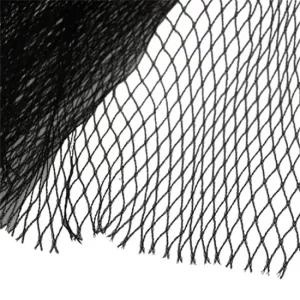
Birds can devastate fruit orchards, vineyards, and vegetable gardens. Bird nets are lightweight, UV-stabilized, and designed to cover trees or entire fields.
Key Features:
-
Fine mesh prevents even small birds from entering
-
Durable HDPE material resists tearing and UV damage
-
Flexible installation for orchards, berry patches, or greenhouses
Case Study:
In Kisumu, a mango orchard used crop protection nets Kenya to prevent damage from starlings and parrots. After installing overhead nets, crop loss dropped by 80% in the first season.
2. Monkey and Small Mammal Nets
Monkeys, rabbits, and rodents can consume large quantities of produce overnight. Nets designed for these pests are slightly stronger and have smaller mesh openings.
Key Features:
-
Reinforced edges to withstand climbing or gnawing
-
Tight mesh for small mammals
-
Easy to secure around trees, hedgerows, and garden plots
Case Study:
A tomato farm in Nairobi installed reinforced crop protection nets Kenya around its high-value plots. The nets prevented monkey raids, saving over KSh 250,000 in lost produce within three months.
3. Insect and Pest Control Nets
While most farmers rely on chemical pesticides, nets provide a non-toxic alternative for pest management. Fine-mesh nets prevent access to harmful insects while maintaining air circulation.
Key Features:
-
Micro-mesh sizes tailored for specific pests
-
Reduces dependency on pesticides
-
Ideal for organic or sustainable farming operations
Case Study:
On a Meru strawberry farm, crop protection nets Kenya prevented aphid infestation, reducing pesticide use by 60% and increasing organic certification compliance.
4. Shade Nets with Protective Function
Some nets serve dual purposes: shading crops while protecting them from wildlife. These nets reduce heat stress, retain moisture, and prevent birds and animals from accessing plants.
Key Features:
-
Adjustable UV-stabilized shading (30–70%)
-
Strong enough to deter medium-sized wildlife
-
Helps in water conservation and disease reduction
Case Study:
In Embu, farmers combined shade and protective nets to safeguard vegetables. Using crop protection nets Kenya, yield quality improved by 40%, while wildlife damage dropped significantly.
Choosing the Right Crop Protection Net in Kenya
When selecting nets, consider the following factors:
-
Mesh Size – Choose based on the type of wildlife: small mesh for birds and insects, larger mesh for bigger mammals.
-
Material Quality – HDPE nets are preferred for durability and UV resistance; fire-retardant and anti-static options are available for sensitive crops.
-
Coverage Area – Ensure the net fully covers vulnerable crops, whether in rows, plots, or trees.
-
Tensile Strength – Nets should withstand the force of climbing or flying wildlife.
-
Ease of Installation – Modular nets or roll-out systems save time and labor.
-
Compliance and Certification – Always procure nets with valid eTIMS invoices to ensure legal compliance and traceability.
Expert Tip: Overestimating the size of nets is better than underestimating; gaps compromise protection.
Installation Strategies for Maximum Effectiveness
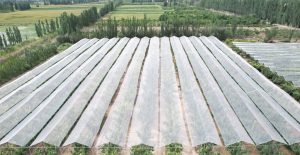
Proper installation determines how effective crop protection nets Kenya will be. Follow these guidelines:
-
Assess the Layout: Identify high-risk areas, such as tree tops, fruit clusters, or vegetable beds.
-
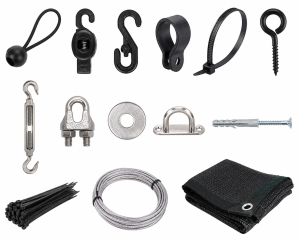
Anchoring Systems: Use sturdy poles, hooks, or ropes to secure nets. Ensure tension is even to prevent sagging.
-
Layering: For small birds or insects, layer micro-mesh nets above crops.
-
Maintenance Access: Design nets for easy removal or opening for harvesting and routine care.
-
Professional Services: Some farms benefit from expert installation to ensure durability and compliance with eTIMS regulations.
Compliance and Regulatory Considerations
In Kenya, farmers and agribusinesses are increasingly required to follow regulatory standards, especially when nets are part of commercial or export operations. Key compliance points include:
-
eTIMS Compliance: Ensures all net purchases are traceable and tax-compliant.
-
Occupational Safety: Nets over high-value crops reduce accidents when workers harvest or maintain plants.
-
Export Readiness: Proper crop protection contributes to meeting international quality standards.
Pro Tip: Keep eTIMS invoices and installation records ready for audits or inspections.
Benefits of Crop Protection Nets
Investing in the right netting system offers multiple advantages:
-
Reduced Crop Losses: Birds, monkeys, and pests are effectively kept out.
-
Improved Yield Quality: Crops remain undamaged and market-ready.
-
Eco-Friendly Farming: Less reliance on chemical pesticides and repellents.
-
Cost-Effective Long-Term: Durable nets last multiple seasons, reducing recurring expenses.
-
Worker Safety: Nets reduce the need for farmers to use hazardous methods to control wildlife.
-
Scalability: Nets can be expanded as farm operations grow.
Maintenance Tips for Longevity
-
Regular Inspection: Check nets monthly for holes or wear.
-
UV Damage Check: Even UV-stabilized nets can degrade in intense sunlight.
-
Cleanliness: Remove dust, leaves, or debris to prevent damage.
-
Timely Repairs: Patch small tears before they become larger.
Real-Life Case Studies Using Keyword
-
Kisumu Mango Orchard
By installing crop protection nets Kenya, a 5-acre mango orchard reduced bird damage by 80%, resulting in a significant profit increase in one season.
-
Nairobi Tomato Farm
Reinforced nets protected high-value tomato plants from monkeys and birds. The farm saw crop protection nets Kenya directly prevent losses worth over KSh 250,000.
-
Meru Strawberry Farm
Micro-mesh nets prevented insect infestations. Using crop protection nets Kenya enabled the farm to meet organic certification standards, reducing pesticide costs by 60%.
-
Embu Vegetable Greenhouses
Shade and wildlife nets combined to protect leafy vegetables. Crop protection nets Kenya ensured both optimal growth and wildlife prevention, increasing market-ready yields by 40%.
Cost Considerations
Factors influencing the cost of crop protection nets:
-
Net Type: Bird nets are lighter and cheaper; reinforced nets for monkeys or shade nets are costlier.
-
Size and Coverage: Larger fields require more material and installation labor.
-
Installation: Professional setup adds to upfront costs but ensures durability.
-
Quality of Material: HDPE and UV-stabilized nets last longer, providing better ROI.
Long-term savings from reduced crop losses and lower pesticide use often outweigh initial expenses.
Why Choose Cougar Nets for Crop Protection in Kenya
Cougar Nets is a leading supplier of agricultural netting solutions in Kenya, providing:
-
High-Quality HDPE Nets: Fire-retardant, UV-stabilized, and durable.
-
Compliance Assurance: Every purchase comes with a valid eTIMS invoice.
-
Custom Solutions: Tailored net sizes and materials for every farm type.
-
Professional Installation Services: Nationwide coverage in Nairobi, Kisumu, Mombasa, and other regions.
-
Proven Track Record: Numerous farms in Kenya have successfully reduced wildlife damage using Cougar Nets’ solutions.
CTA: Protect your crops today. Contact Cougar Nets for eTIMS-compliant crop protection nets Kenya and professional installation services.
Related Applications
Crop protection nets can also be used for:
-
Greenhouses: Protecting vegetables and fruits from pests and weather.
-
Aquaculture Farms: Preventing birds from feeding on fish ponds.
-
Ornamental Plants: Safeguarding flowers and landscaping plants from birds or monkeys.
-
Seedling Nurseries: Ensuring young plants survive without interference from wildlife.
Summary
Protecting crops from wildlife is crucial for sustainable farming in Kenya. Crop protection nets Kenya offer an eco-friendly, cost-effective, and durable solution for farms of all sizes. By choosing the right net type, installing it correctly, maintaining it properly, and ensuring eTIMS compliance, farmers can:
-
Safeguard crops from birds, monkeys, and insects
-
Increase yield quality and profits
-
Reduce pesticide use and environmental impact
-
Ensure compliance with local regulations and export standards
Invest in Cougar Nets’ crop protection solutions and secure your farm’s future with reliable, eTIMS-compliant nets that work in real-world Kenyan conditions.
Get Your Premium Netting Solutions Today!
For the best quality netting solutions for farming, construction, home, or any other project, look no further than Cougar Nets. Our team of experts is ready to help you choose the perfect product for your needs.
NATIONWIDE & EAST AFRICA DELIVERY AVAILABLE
- Premium quality nets for all applications
- Professional installation and expert advice
- Bulk orders and custom solutions available
- Serving Tanzania, Kenya (Nairobi, Eldoret, Kisumu), Rwanda and beyond.
Contact Us for a Quote:
Cougar Nets
Email: sales@mft.co.ke | info@cougarnets.co.ke
Phone: +254 706 903 465
Visit Us: Darosa Plaza, Karen Rd, Nairobi
Website: https://cougarnets.co.ke/