No products in the cart.
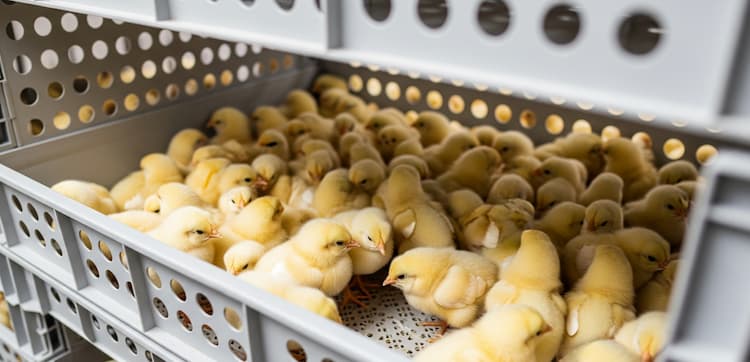
Poultry farming Kenya is the practice of raising chickens or other birds for meat, eggs, or both, under controlled conditions to maximize productivity and profit. Proper planning, housing, feeding, and biosecurity measures ensure higher survival rates, healthy flocks, and sustainable operations for farmers across Kenya.
Why Poultry Farming in Kenya is Profitable
Poultry farming in Kenya has become one of the most profitable agribusiness ventures due to the rising demand for eggs and meat. Whether you plan a small backyard operation in Nairobi or a commercial farm in Eldoret or Kisumu, understanding proper housing, nutrition, and flock management is essential.
Cougar Nets supports poultry farmers with practical solutions, offering durable poultry mesh for secure pens, brooding lights to maintain optimal temperatures, and shade nets to protect birds from harsh sunlight and improve ventilation. These materials are designed to perform under Kenya’s diverse climates, from humid coastal areas to cooler highlands.
Step 1: Planning Your Poultry Farm
Successful poultry farming starts with detailed planning. Key considerations include:
- Farm size: Decide between backyard, semi-commercial, or commercial operations.
- Flock type: Choose layers for eggs, broilers for meat, or dual-purpose breeds.
- Capital and budget: Consider the cost of housing, feed, labor, and equipment.
- Location: Proximity to water, electricity, and markets is critical for operations and logistics.
Economic Planning Table
| Farm Type | Flock Size | Approx. Setup Cost | Recommended Equipment |
|---|---|---|---|
| Backyard | 50–200 birds | KES 50,000–150,000 | Small cages, poultry mesh, brooding lights |
| Semi-Commercial | 500–1,000 birds | KES 300,000–700,000 | Pens, shade nets, automated feeders, insect nets |
| Commercial | 2,000+ birds | KES 1M+ | Large houses, electric brooders, poultry mesh, biosecurity systems |
Planning helps minimize operational risks and ensures scalable growth.
Step 2: Choosing the Right Housing
Housing is the backbone of poultry farming in Kenya. Proper housing should:
- Protect birds from predators such as hawks, snakes, and domestic animals.
- Maintain optimal temperature and airflow.
- Be easy to clean and maintain.
Recommended Housing Materials
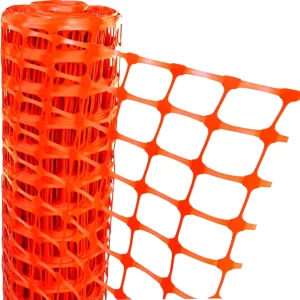
- Poultry mesh: Provides secure fencing for pens, cages, and enclosures. Durable for long-term use and adaptable for various farm sizes.
- Construction shade nets: Control sunlight exposure, prevent heat stress, and improve ventilation.
- Anti-bird nets: Reduce contamination from wild birds, improving flock health.
Housing Design Tips
- Use raised floors to prevent dampness.
- Ensure 0.5–1 square meter per bird for broilers, and 1–1.5 square meters per bird for layers.
- Include separate sections for chicks, growers, and adults to reduce disease spread.
Step 3: Installing Brooding Systems
Young chicks cannot regulate body temperature for the first 2–6 weeks. Brooding systems provide essential heat:
- Brooding lights: Infrared lamps or ceramic heaters maintain warmth.
- Gas brooders: Ideal for large-scale commercial farms.
- Electric brooders: Efficient for automated systems.
Brooding Temperature Table
| Age of Chick | Temperature (°C) | Notes |
|---|---|---|
| Day 1 | 32–35 | Keep chicks huddled under lamps |
| Week 1 | 30–32 | Gradually increase space under lamp |
| Week 2 | 28–30 | Monitor chick behavior for comfort |
| Week 3 | 26–28 | Begin reducing supplemental heat |
| Week 4 | 24–26 | Fully acclimate chicks to ambient temperature |
Combining brooding lights with poultry mesh enclosures ensures chicks remain safe from predators while growing in a controlled environment.
Step 4: Feeding and Nutrition
Nutrition is the most important factor in flock growth and productivity.
Feed Types
- Starter feed: 0–6 weeks, high protein (20–24%) for chicks.
- Grower feed: 6–12 weeks, moderate protein (16–18%) for adolescent birds.
- Layer feed: 18+ weeks, calcium-rich feed for egg-laying hens.
- Broiler feed: High-energy feed to maximize weight gain.
Feeding Tips
- Provide clean water at all times.
- Supplement with vitamins and minerals for optimal immunity.
- Use feeders that minimize spillage to reduce wastage.
Proper feeding combined with adequate housing significantly improves productivity in poultry farming Kenya.
Step 5: Biosecurity and Disease Prevention
Diseases are a major threat to poultry farms. Farmers should implement strict biosecurity measures:
- Use insect nets in housing to prevent mosquito-borne infections.
- Maintain footbaths at farm entry points.
- Avoid mixing age groups to reduce disease spread.
- Disinfect feeders, drinkers, and housing regularly.
Step 6: Waste Management
Effective waste management promotes hygiene and can provide an additional revenue stream:
- Composting poultry manure for fertilizer.
- Drainage systems to prevent waterlogging.
- Regular cleaning of feeders and water stations.
Proper waste management reduces ammonia build-up, improving bird health and air quality.
Step 7: Record-Keeping and Compliance
Accurate records are essential:
- Mortality rates
- Feed consumption
- Egg production
- Veterinary treatments
Purchases of equipment and materials, including poultry mesh, brooding lights, and nets, should have eTIMS invoices for tax compliance and deductions.
Step 8: Marketing Your Poultry Products
Marketing ensures your farm is profitable:
- Sell eggs and broilers in local markets.
- Partner with hotels, restaurants, and supermarkets.
- Explore bulk distribution networks.
Reliable product quality and consistent supply help establish a strong brand in Kenya.
Technical Comparison: Housing Materials for Poultry Farming Kenya
| Material | Durability | Cost | Best Use |
|---|---|---|---|
| Galvanized poultry mesh | High | Moderate | Most farms |
| PVC-coated mesh | Medium-High | Moderate | Backyard/semi-commercial |
| Stainless steel mesh | Very High | High | Coastal/high-humidity regions |
| Construction shade nets | High | Moderate | Temperature control and sun protection |
| Anti-bird nets | Medium | Low | Pest and contamination control |
Using quality materials reduces maintenance costs and enhances farm longevity.
Climate-Specific Tips
- Nairobi & Highlands: Cool nights, use brooding lights and shade nets.
- Mombasa & Coastal Areas: High humidity, prioritize stainless steel mesh and ventilation.
- Rift Valley (Eldoret, Nakuru): Cold mornings, ensure gas or electric brooders are functional.
Benefits of Following a Step-by-Step Poultry Setup
- Higher survival and productivity rates
- Reduced disease outbreaks
- Better feed conversion efficiency
- Scalable and profitable operations
Frequently Asked Questions
Q1: How many birds should I start with?
A: 50–200 for small farms; 1,000+ for commercial operations.
Q2: Can I start in urban areas like Nairobi?
A: Yes, with proper housing, ventilation, and noise management.
Q3: When do hens start laying eggs?
A: Layers begin producing around 18–20 weeks.
Conclusion
A structured, step-by-step approach to poultry farming in Kenya ensures optimal performance and profitability. From secure housing with poultry mesh to brooding systems, feed management, biosecurity, and marketing, each step contributes to success.
Cougar Nets provides farmers with all the necessary materials, including poultry mesh, brooding lights, and shade nets, to support every stage of poultry farming in Kenya and East Africa.
Get Your Premium Poultry Farming Supplies Today!
Nationwide & East Africa delivery available: Kenya (Nairobi, Eldoret, Kisumu), Uganda, Tanzania, Rwanda, South Sudan, Ethiopia.
Contact:
Email: sales@cougarnets.com | info@cougarnets.co.ke
Phone: +254 706 903 465
Visit: Darosa Plaza, Karen Rd, Nairobi
Website: https://cougarnets.co.ke