No products in the cart.
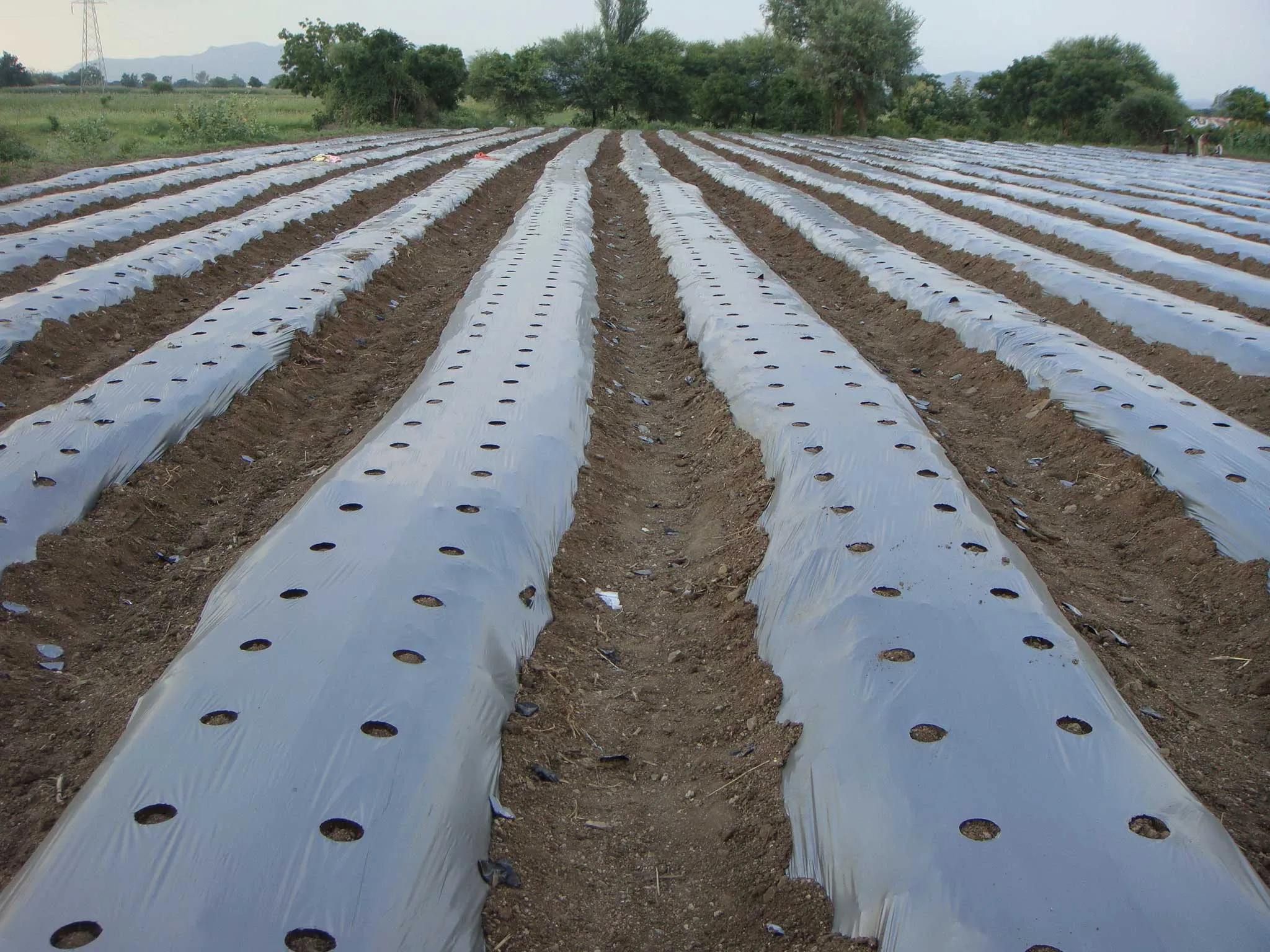
mulching film Kenya In the evolving landscape of Kenyan agriculture, innovative farming solutions are increasingly essential for improving crop yield, conserving resources, and enhancing farm profitability. One such innovation is mulching film, a simple yet highly effective agricultural tool that Kenyan farmers are adopting to maximize soil health and productivity. This article explores the benefits, types, applications, and practical considerations of mulching film in Kenya, helping farmers make informed decisions for their farms.
What Is Mulching Film?
Mulching film is a thin layer of polyethylene or biodegradable material applied to the soil surface around crops. Its primary purpose is to protect soil and plants by:
- Retaining moisture
- Regulating soil temperature
- Reducing weed growth
- Preventing nutrient leaching
Traditionally used in horticulture and high-value crops, mulching film is now widely adopted in Kenya for vegetables, fruits, and even staple crops like maize and tomatoes.
Types of mulching film Kenya
Farmers in Kenya can access several types of mulching films, each designed for specific agricultural needs:
- Black Mulching Film
- Blocks sunlight, suppressing weed growth
- Reduces evaporation, keeping soil moisture consistent
- Ideal for vegetables and high-value crops
- Clear Mulching Film
- Allows sunlight penetration for soil warming
- Boosts early germination and growth
- Suitable for crops needing higher temperatures
- Silver or Reflective Mulching Film
- Reflects sunlight to deter pests like aphids and whiteflies
- Enhances photosynthesis by reflecting light to the plant canopy
- Biodegradable Mulching Film
- Environmentally friendly, decomposes naturally
- Reduces disposal concerns and soil pollution
By selecting the right type, Kenyan farmers can optimize crop performance, reduce labor costs, and achieve higher economic returns.
Key Benefits of mulching film Kenya
1. Improved Soil Moisture Retention
Kenya’s semi-arid and arid regions face significant challenges with water scarcity. Mulching film helps retain soil moisture, reducing the frequency of irrigation. By acting as a barrier between the soil and the environment, it minimizes water evaporation, ensuring crops have consistent access to water—a critical factor for healthy plant growth.
2. Temperature Regulation for Optimal Growth
Soil temperature significantly affects seed germination and crop development. Mulching film moderates soil temperature, keeping it warmer during cool nights and cooler during intense daytime heat. This regulation allows for more predictable crop cycles, especially in regions like Rift Valley and Central Kenya where temperature fluctuations are common.
3. Weed Suppression
Weeds compete with crops for nutrients, sunlight, and water, reducing yield. Applying mulching film forms a physical barrier that inhibits weed growth, minimizing the need for manual weeding or chemical herbicides. This saves labor costs and contributes to more sustainable farming practices.
4. Enhanced Nutrient Use Efficiency
Mulching film reduces nutrient leaching caused by rain or irrigation runoff. Nutrients remain concentrated near the plant roots, which boosts crop nutrient uptake and improves growth. Farmers using mulching film report healthier plants and higher-quality produce.
5. Pest and Disease Management
Certain mulching films, such as reflective silver types, deter pests and reduce disease incidence. By limiting soil contact and reducing humidity fluctuations, films help prevent fungal infections and insect infestations, improving overall crop health.
Applications of mulching film Kenya
Horticultural Crops
Vegetables like tomatoes, peppers, and cucumbers benefit immensely from mulching film. By controlling weeds and conserving moisture, farmers can achieve earlier harvests and higher yields, particularly in intensive farming setups around Nairobi, Thika, and Naivasha.
Fruit Orchards
Fruit farmers use mulching film around trees to retain moisture and prevent soil-borne diseases. This method is increasingly common in avocado and mango orchards in Western Kenya.
Staple Crops
While less common, staple crop farmers, including maize and beans, are experimenting with mulching film to reduce water stress and improve soil fertility, especially in drought-prone areas like Kitui, Machakos, and Turkana.
Choosing the mulching film Kenya
Selecting the correct mulching film depends on:
- Crop Type: High-value crops may require specialized films like silver or biodegradable films.
- Climate: Semi-arid regions benefit more from moisture-retaining films, while temperate areas may prioritize soil warming.
- Farm Size: Large-scale farmers may invest in durable polyethylene films, while smallholders may prefer biodegradable options for ease of disposal.
- Budget: Balancing cost with long-term benefits ensures sustainable investment.
Best Practices for mulching film Kenya
- Proper Installation: Lay the film tightly over prepared soil beds to prevent wind displacement and water infiltration issues.
- Regular Monitoring: Check for tears or lifting edges that reduce effectiveness.
- Integration with Drip Irrigation: Combine mulching film with drip systems for maximum water efficiency.
- End-of-Season Removal (for Non-Biodegradable Films): Safely remove used films to prevent soil pollution.
Economic Benefits for Kenyan Farmers
- Reduced Labor Costs: Less weeding and irrigation
- Higher Yields: Optimized growth conditions for vegetables and fruits
- Faster Crop Cycles: Soils warm up faster, allowing multiple planting cycles
- Quality Produce: Better color, size, and weight due to moisture and temperature control
Farmers in Naivasha, Thika, and Eldoret have reported 20–30% yield increases after integrating mulching film into their practices.
Where to Source High-Quality Mulching Film in Kenya
Cougar Nets is a trusted supplier of agricultural films and netting solutions across Kenya. Our products are:
- UV-stabilized for long-term durability
- Compliant with Kenyan agricultural standards
- Available with nationwide delivery to Nairobi, Kisumu, Mombasa, and surrounding regions
Farmers can also access eTIMS-compliant invoices for regulatory and tax purposes, ensuring peace of mind for commercial operations.
Conclusion
Mulching film is a game-changer for Kenyan farmers, offering solutions to water scarcity, weed management, soil fertility, and pest control. By selecting the right type and applying it effectively, farmers can maximize yields, reduce costs, and improve crop quality. With suppliers like Cougar Nets providing high-quality, durable films, integrating this technology into modern Kenyan agriculture has never been easier.
Related Products:
- HDPE Shade Nets for Crop Protection
- Poultry Mesh for Farm Safety
- Anti-Bird Netting
- Fish Pond Covers
About Us | Fishing Gear Collections
Get Your Premium Netting Solutions Today!
For the best quality netting solutions for farming, construction, home, or any other project, look no further than Cougar Nets. Our team of experts is ready to help you choose the perfect product for your needs.
NATIONWIDE & EAST AFRICA DELIVERY AVAILABLE
- Premium quality nets for all applications
- Professional installation and expert advice
- Bulk orders and custom solutions available
- Serving South Sudan, Kenya (Nairobi, Eldoret, Kisumu), Tanzania and beyond.
Contact Us for a Quote:
Cougar Nets
Email: sales@mft.co.ke | info@cougarnets.co.ke
Phone: +254 706 903 465
Visit Us: Darosa Plaza, Karen Rd, Nairobi
Website: https://cougarnets.co.ke/