No products in the cart.
Beekeeping in Kenya: Tools and Equipment Guide
Beekeeping Kenya has become an increasingly popular agricultural and commercial activity in recent years. With Kenya’s favorable climate, rich floral diversity, and high demand for honey and other bee products, beekeeping offers both financial and environmental benefits.
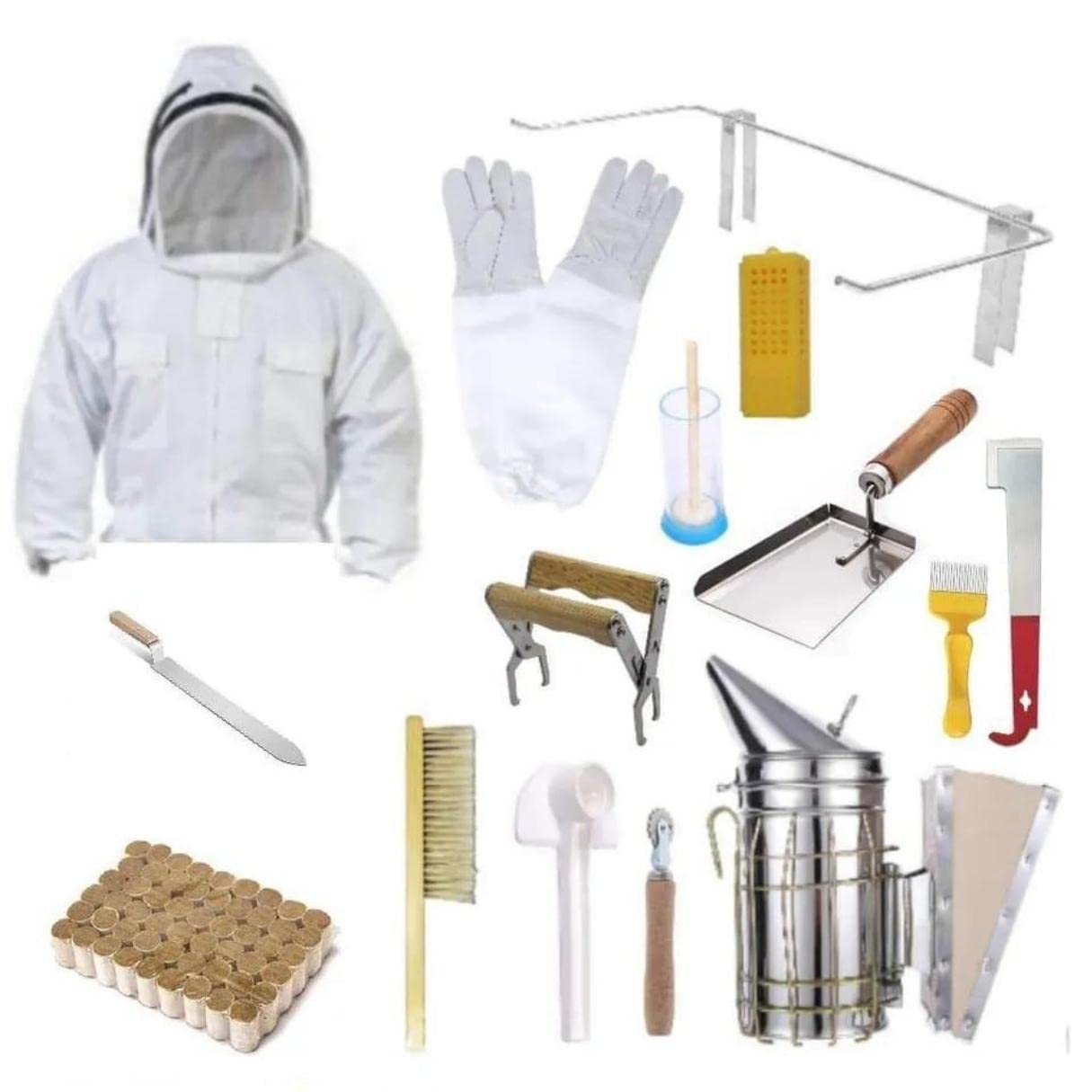
To succeed in beekeeping Kenya, it is essential to use the right tools and equipment. From protective gear to hives, smokers, and honey processing tools, every piece of equipment plays a role in safety, productivity, and efficiency. This comprehensive guide will help you understand the essential beekeeping tools in Kenya, their uses, prices, and tips for selecting the best equipment for your apiary.
Why Beekeeping is Thriving in Kenya
Beekeeping Kenya continues to grow because the country offers ideal conditions for honey production. Key reasons for its popularity include:
- Favorable Climate: Most regions of Kenya provide ideal temperatures and rainfall patterns for bees.
- Diverse Flora: Year-round access to nectar and pollen ensures strong bee colonies.
- High Demand for Honey: Both local consumption and export markets drive profitability.
- Pollination Benefits: Bees enhance agricultural yields while producing honey.
- Sustainable Income: Beekeeping requires minimal land and can supplement farm income.
For anyone entering beekeeping Kenya, using the proper tools ensures safety, efficiency, and the ability to produce high-quality honey consistently.
Essential Beekeeping Tools in Kenya
1. Beehives
The hive is the cornerstone of beekeeping Kenya. Popular hive types include:
a) Langstroth Hives
- Modular, removable frames.
- Easy inspection and honey harvesting.
- Ideal for commercial beekeeping Kenya operations.
b) Kenyan Top Bar Hives (KTBH)
- Horizontal hives with removable bars.
- Affordable, low-maintenance, and suitable for small-scale beekeeping Kenya.
c) Traditional Log Hives
- Hollowed-out logs.
- Simple but harder to inspect.
| Hive Type | Price Range (KES) | Best For |
|---|---|---|
| Langstroth | 8,000 – 20,000 | Commercial beekeeping Kenya |
| Kenyan Top Bar Hive | 5,000 – 12,000 | Small-scale beekeeping Kenya |
| Traditional Log Hive | 1,500 – 5,000 | Hobbyists, low-budget setups |
2. Protective Gear for Beekeeping Kenya
Handling bees safely requires the right protective gear. Essential items include:
a) Bee Suit
- Full-body suit made of cotton or polyester mesh.
- Includes hood and veil for face and neck protection.
b) Gloves
- Long, sturdy gloves prevent stings.
- Leather or thick rubber-coated fabric is recommended.
c) Boots
- High boots protect legs and feet during inspections.
| Gear Item | Price Range (KES) | Notes |
|---|---|---|
| Bee Suit | 3,000 – 8,000 | Light-colored suits reduce bee aggression |
| Gloves | 500 – 1,500 | Leather or rubber |
| Boots | 1,500 – 4,000 | Waterproof options available |
3. Hive Tools
Hive tools are essential for efficient beekeeping Kenya:
- Hive Scraper / Lever: Separates frames and removes propolis.
- Frame Lifter: Safely lifts frames without harming bees.
- Propolis Scraper: Removes sticky propolis from hive surfaces.
| Tool Type | Price Range (KES) | Use |
|---|---|---|
| Hive Scraper | 200 – 800 | Opening and separating frames |
| Frame Lifter | 500 – 1,200 | Lifting frames safely |
| Propolis Scraper | 150 – 500 | Removing sticky propolis |
4. Smokers
A smoker calms bees, making hive inspections easier. Smoke encourages bees to consume honey and reduces defensive behavior.
- Traditional metal smokers with bellows are most common.
- Fuel can include pine needles, coconut husks, or dried grass.
| Smoker Type | Price Range (KES) | Notes |
|---|---|---|
| Metal Bellows | 1,500 – 3,500 | Durable, commonly used |
| Mini Smoker | 800 – 1,500 | Compact and portable |
5. Honey Extractors
Honey extractors allow for safe and efficient extraction without destroying combs.
- Manual Extractors: Suitable for small-scale beekeeping Kenya.
- Electric Extractors: Faster and ideal for commercial operations.
| Extractor Type | Price Range (KES) | Use |
|---|---|---|
| Manual Extractor | 10,000 – 25,000 | Small-scale beekeeping Kenya |
| Electric Extractor | 50,000 – 120,000 | Large-scale commercial production |
6. Honey Processing & Storage Equipment
Proper equipment ensures honey quality:
- Filters & Strainers: Remove wax and debris.
- Settling Tanks: Clarify honey before bottling.
- Food-Grade Bottles & Containers: Preserve freshness and hygiene.
| Equipment | Price Range (KES) | Notes |
|---|---|---|
| Honey Filter | 2,000 – 5,000 | Stainless steel, reusable |
| Settling Tank | 3,000 – 7,000 | 50–100 liters capacity |
| Bottles / Jars | 50 – 200 each | Food-grade plastic or glass |
7. Queen Bee & Colony Management Tools
- Queen Excluders: Keep the queen out of honey supers.
- Bee Brush: Gently remove bees from frames.
- Syrup Feeders: Supplementary feeding during nectar scarcity.
| Tool | Price Range (KES) | Notes |
|---|---|---|
| Queen Excluder | 800 – 2,000 | Plastic or metal options |
| Bee Brush | 200 – 600 | Soft bristles |
| Syrup Feeder | 1,000 – 3,000 | Plastic or stainless steel |
Starter Kits for Beekeeping Kenya
Beginners often benefit from complete beekeeping Kenya starter kits containing:
- One or two hives
- Protective suit, gloves, veil
- Smoker and hive tools
- Basic honey extraction equipment
Price Range: KES 15,000 – 50,000 depending on kit contents.
Tips for Successful Beekeeping Kenya
- Choose the right hive: KTBH for small-scale, Langstroth for commercial.
- Place hives in shaded, ventilated areas.
- Inspect hives regularly for pests and queen health.
- Feed bees with sugar syrup when nectar is scarce.
- Always wear protective gear.
- Keep records of hive growth, honey yield, and sales.
Frequently Asked Questions
1. How much does beekeeping equipment cost in Kenya?
Prices range from KES 5,000 for a basic hive to KES 120,000 for full commercial setups.
2. Can I start beekeeping in a small backyard?
Yes, Kenyan Top Bar Hives are ideal for small-scale beekeeping Kenya.
3. What protective gear is essential?
A full bee suit, gloves, and veil are necessary for safety.
4. How long before honey can be harvested?
Typically 3–6 months after establishing strong colonies.
5. Where can I buy beekeeping Kenya tools?
Trusted suppliers like Cougar Nets provide all essential equipment with nationwide delivery.
Where to Buy Beekeeping Equipment in Kenya & Delivery Options
You can purchase beekeeping Kenya tools and equipment from trusted suppliers like Cougar Nets, offering high-quality hives, protective gear, smokers, honey extractors, and more.
Delivery & Services:
- Nationwide delivery: Nairobi, Eldoret, Kisumu
- East Africa coverage: Uganda, Tanzania, Rwanda, South Sudan, Ethiopia
- Durable, UV-stabilized nets and beekeeping tools
- Professional guidance for setup and installation
- Bulk orders and custom solutions
- Email: sales@cougarnets.co.ke | info@cougarnets.co.ke
- Phone: +254 706 903 465
- Visit Us: Darosa Plaza, Karen Rd, Nairobi
- Website: cougarnets.co.ke
Purchasing from a trusted supplier ensures high-quality beekeeping Kenya equipment, expert guidance, and reliable delivery across the region.
Get Your Premium Netting Solutions Today!
For the best quality netting solutions for farming, construction, home, or any other project, look no further than Cougar Nets. Our team of experts is ready to help you choose the perfect product for your needs.
NATIONWIDE & EAST AFRICA DELIVERY AVAILABLE
- Premium quality nets for all applications
- Professional installation and expert advice
- Bulk orders and custom solutions available
- Serving Kenya (Nairobi, Eldoret, Kisumu), South Sudan, Rwanda and beyond.
Contact Us for a Quote:
Cougar Nets
Email: sales@mft.co.ke | info@cougarnets.co.ke
Phone: +254 706 903 465
Visit Us: Darosa Plaza, Karen Rd, Nairobi
Website: https://cougarnets.co.ke/