No products in the cart.
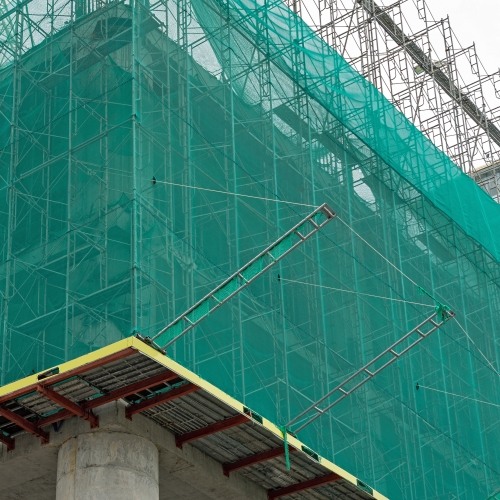
Safety nets in construction have become a fundamental requirement across Kenya and East Africa, especially in fast-growing cities like Nairobi, Mombasa, Kisumu, and Eldoret. With increasing high-rise developments and infrastructure projects, Cougar Nets stands out as a trusted supplier and industry leader providing durable, high-performance netting solutions. Whether for fall protection, debris containment, or site safety compliance, modern netting solutions play a vital role in ensuring safe, efficient construction environments.
As urbanization continues to accelerate, construction companies are under greater pressure to meet strict safety standards while maintaining project timelines and budgets. Safety nets provide a practical and scalable solution that adapts to different building designs, from residential apartments to commercial towers and large infrastructure projects. In addition, they help reduce workplace accidents, improve worker confidence, and minimize disruptions caused by safety incidents. By integrating high-quality netting systems into construction planning, developers can achieve better risk management, protect surrounding communities, and enhance overall project efficiency in a competitive and rapidly evolving industry.
What Are Safety Nets in Construction?
Safety nets are high-strength mesh systems installed around or beneath construction zones to:
- Prevent workers from falling from heights
- Catch falling tools and debris
- Protect pedestrians and nearby properties
- Enhance overall site safety compliance
They are commonly made from UV-stabilized polyethylene or nylon materials, ensuring durability even under Kenya’s harsh weather conditions.
Why Safety Nets Are Essential in Construction in Kenya
1. Worker Safety and Fall Protection
Falls remain one of the leading causes of injuries on construction sites. Safety nets act as a secondary fall arrest system, especially in high-rise projects in Nairobi and Mombasa.
Key benefits:
- Reduces fatal accidents
- Provides passive protection (no action required by workers)
- Covers large working areas
2. Protection from Falling Debris
In busy urban areas like Nairobi CBD or Mombasa, construction sites are often close to roads and pedestrians.
Safety nets:
- Prevent tools and materials from falling
- Reduce liability risks
- Protect nearby infrastructure
3. Compliance with Safety Regulations
Construction companies in Kenya must follow safety standards aligned with international best practices.
Safety nets help:
- Meet occupational safety requirements
- Reduce legal risks and penalties
- Improve contractor credibility
4. Cost-Effective Safety Solution
Compared to other safety systems like guardrails or harnesses:
| Safety Method | Cost Level | Coverage Area | Maintenance |
|---|---|---|---|
| Safety Nets | Medium | High | Low |
| Guardrails | High | Medium | Medium |
| Harness Systems | Low | Low | High |
Insight: Safety nets offer the best balance between cost and coverage for large-scale projects.
5. Increased Productivity
Workers feel safer when proper safety systems are in place.
This leads to:
- Faster project completion
- Reduced downtime from accidents
- Improved worker morale
Types of Safety Nets Used in Construction
1. Fall Arrest Nets
Installed horizontally to catch workers falling from heights. These nets are typically positioned beneath active work zones such as scaffolding, steel frameworks, or elevated platforms. Their primary purpose is to absorb the impact of a fall, significantly reducing the risk of serious injury or fatality.
Fall arrest nets are designed with high tensile strength materials like HDPE or nylon, allowing them to withstand heavy loads. They are especially important in high-rise projects in cities like Nairobi, where vertical construction is common.
Key advantages:
- Provides wide-area fall protection
- Reduces reliance on personal harness systems
- Enhances worker confidence and productivity
2. Debris Nets
Installed vertically around buildings to contain materials. These nets act as a protective barrier that prevents construction debris, tools, and loose materials from falling off-site. This is particularly crucial in densely populated areas like Mombasa and Kisumu, where construction zones are often close to public spaces.
Debris nets are usually lightweight but durable, allowing airflow while maintaining containment. They also help reduce dust spread, contributing to cleaner and safer construction environments.
Key advantages:
- Protects pedestrians and nearby property
- Controls dust and site pollution
- Improves site organization and safety compliance
3. Edge Protection Nets
Placed along building edges for added safety. These nets are installed around open sides of floors, rooftops, and elevated platforms to prevent workers or equipment from slipping off edges. They are often used alongside guardrails for enhanced protection.
Edge protection nets are essential during early construction phases when structural barriers may not yet be in place. In regions like Eldoret and other expanding towns, they are widely used in both residential and commercial developments.
Key advantages:
- Prevents accidental falls from edges
- Easy to install and reposition
- Provides continuous perimeter protection across different construction stages
Technical Specifications of Quality Safety Nets
| Feature | Recommended Standard |
|---|---|
| Material | HDPE / Nylon |
| GSM (Density) | 150–300 GSM |
| UV Resistance | High |
| Mesh Size | 1–5 cm |
| Lifespan | 3–5 years |
Expert Tip: In high-UV areas like Nairobi, always choose UV-stabilized nets to prevent early degradation.
Benefits of Safety Nets in Different Kenyan Environments
Nairobi (High UV + High-Rise Projects)
- UV-resistant nets prevent weakening
- Ideal for skyscrapers and commercial buildings
Mombasa (Coastal Conditions)
- Corrosion-resistant materials required
- Nets must withstand humidity and salt air
Kisumu (Lakeside Construction)
- Useful for protecting against falling debris near water
Rift Valley (Eldoret Farming & Construction Zones)
- Dual-purpose use for construction and agricultural protection
How to Choose the Best Safety Nets in Construction
Key Factors to Consider:
- Material Quality: Choose HDPE or nylon
- Mesh Size: Smaller mesh for debris, larger for airflow
- UV Protection: Essential for outdoor projects
- Load Capacity: Must meet safety standards
- Installation Method: Ensure secure anchoring
Step-by-Step Installation Guide
1. Assess construction site risks
Begin by conducting a thorough risk assessment of the entire site. Identify high-risk zones such as elevated work areas, open edges, scaffolding sections, and zones with heavy material movement. Understanding these risks helps determine where safety nets in construction will provide maximum protection. This step also ensures compliance with safety standards and reduces the likelihood of accidents before installation begins.
2. Measure coverage area
Accurate measurements are critical to ensure full protection. Calculate the length, width, and height of the areas requiring coverage, including vertical and horizontal spans. Proper measurements help avoid gaps that could compromise safety nets in construction and ensure efficient material usage without unnecessary costs or overlaps.
3. Select appropriate net type
Choose the correct net based on the identified risks and site requirements. For example, use fall arrest systems for height protection and debris nets for material containment. The effectiveness of safety nets in construction depends heavily on selecting the right type, material quality, mesh size, and load capacity suitable for the specific project.
4. Install anchor points securely
Anchor points form the foundation of a reliable installation. Fix them to strong structural elements such as concrete beams or steel frames. Poor anchoring can lead to failure, so ensuring stability is essential for the performance of safety nets in construction under load conditions.
5. Attach nets with strong ropes or hooks
Carefully secure the nets using durable ropes, hooks, or fastening systems. Ensure proper tension to prevent sagging while maintaining flexibility for impact absorption. Correct attachment methods improve the durability and effectiveness of safety nets in construction across different working conditions.
6. Inspect regularly for wear and tear
Routine inspection is essential for maintaining safety standards. Check for signs of damage such as tears, loose fittings, or UV degradation. Regular maintenance ensures that safety nets in construction remain reliable over time and continue to provide consistent protection throughout the project lifecycle.
Safety Nets vs Alternative Safety Systems
Safety Nets vs Harness Systems
| Feature | Safety Nets | Harness Systems |
|---|---|---|
| Coverage | Wide | Limited |
| Ease of Use | High | Requires training |
| Worker Comfort | High | Medium |
Safety Nets vs Scaffolding Barriers
- Nets are more flexible
- Faster to install
- Better for large-scale projects
Pricing Insights for Safety Nets in Kenya
Prices vary depending on:
- GSM thickness
- Material quality
- Size and customization
Estimated Range:
- Standard nets: KES 150–300 per square meter
- Heavy-duty nets: KES 300–600 per square meter
Pro Tip: Bulk purchases reduce overall cost significantly.
Real-World Use Cases in East Africa
Kenya
- High-rise apartments in Nairobi
- Road construction projects
Uganda
- Commercial building safety compliance
Tanzania
- Infrastructure and bridge projects
Rwanda
- Urban development safety systems
Internal Resources for Netting Solutions
Explore more solutions from Cougar Nets:
- Browse the full range on the Shop Page
- Discover Construction Safety Nets
- Explore Hardware Tools
- Learn about Aquaculture Netting
- Visit About Cougar Nets
- Contact experts here
People Also Ask
Are safety nets mandatory in construction?
Yes, they are required in many projects to comply with safety regulations and reduce workplace accidents.
How long do safety nets last?
Typically 3–5 years depending on exposure and material quality.
Can safety nets be reused?
Yes, if properly maintained and inspected.
FAQ Section
1. What are safety nets used for in construction?
Safety nets are used to prevent falls and catch debris, ensuring worker safety and protecting surrounding areas on construction sites in Kenya.
2. Are safety nets better than harness systems?
Safety nets provide wider coverage and passive protection, making them more efficient for large construction projects.
3. How do I choose the right safety net?
Consider material, mesh size, UV resistance, and load capacity to match your project needs.
4. Do safety nets require maintenance?
Yes, regular inspections are necessary to check for damage and ensure safety compliance.
5. Where can I buy safety nets in Kenya?
You can purchase high-quality safety nets from Cougar Nets, a trusted supplier in Nairobi.
Get Your Premium Netting Solutions Today! For the best quality netting solutions for farming, construction, home, or any other project, look no further than Cougar Nets. Our team of experts is ready to help you choose the perfect product for your needs.
NATIONWIDE & EAST AFRICA DELIVERY AVAILABLE
✔ Premium quality nets for all applications
✔ Professional installation and expert advice
✔ Bulk orders and custom solutions available
✔ Serving Kenya (Nairobi, Eldoret, Kisumu), Uganda, Tanzania, Rwanda, South Sudan, Ethiopia and beyond.
Contact Us for a Quote:
Cougar Nets
Email: sales@cougarnets.com | info@cougarnets.com
Phone: +254 706 903 465
Visit Us: Darosa Plaza, Karen Rd, Nairobi
Website: https://cougarnets.co.ke/