No products in the cart.
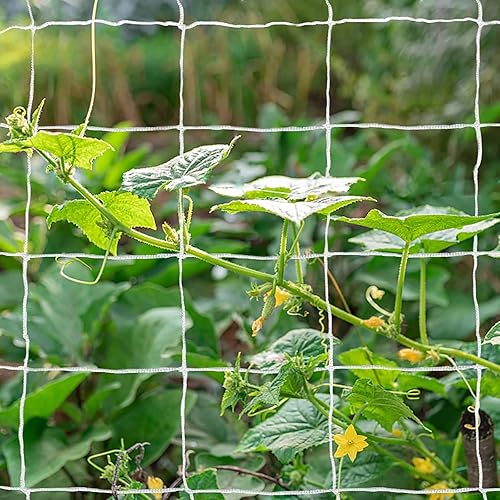
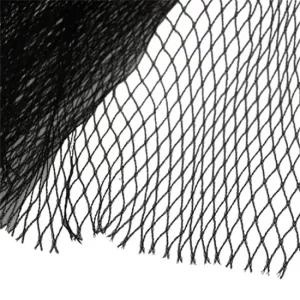
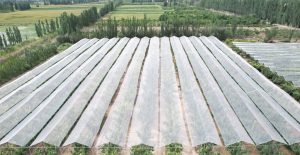
Trellis nets Kenya are agricultural support nets used to guide and support the vertical growth of climbing crops such as tomatoes, cucumbers, beans, and peas. In Kenya, trellis nets improve air circulation, reduce crop disease, and increase yield efficiency in tomato farming and horticulture. They are widely used in greenhouse and open-field farming across Nairobi, Rift Valley, and Central Kenya for higher productivity and easier harvesting.
Trellis nets Kenya are becoming an essential farming solution for modern tomato farming Kenya and climbing crop production systems across East Africa. As farmers move toward high-efficiency agriculture, climbing crop support systems have replaced traditional staking methods due to their durability, cost efficiency, and yield improvement.
Across regions like Nairobi, Kiambu, Nakuru, Eldoret, and Mombasa, farmers are adopting trellis netting to improve airflow, reduce fungal diseases, and maximize space usage in both greenhouse and open-field farming systems. At Cougar Nets, agricultural netting solutions are engineered for strength, UV resistance, and long-term farm productivity.
This guide explains everything you need to know about trellis nets, their benefits, installation, and how they transform tomato farming in Kenya.
What Are Trellis Nets?
Trellis nets are structured agricultural support nets designed to guide vertical plant growth.
They are commonly made from:
- UV-stabilized HDPE
- High-tensile polymer fibers
- Reinforced knot or extruded mesh designs
Primary purpose:
- Support climbing crops
- Prevent stem breakage
- Improve plant spacing
- Increase sunlight exposure per leaf
Why Trellis Nets Matter in Kenyan Farming
In Kenya, agriculture is shifting from traditional low-yield farming to high-density commercial production. Trellis nets Kenya help farmers achieve this transition efficiently.
Key benefits:
- Higher tomato yield per square meter
- Reduced fungal infections (early blight, powdery mildew)
- Easier pest control
- Better fruit quality and size consistency
- Reduced labor during harvesting
Trellis Nets Kenya vs Traditional Staking Methods
| Feature | Trellis Nets | Wooden Sticks | Rope Staking |
|---|---|---|---|
| Durability | High (3–7 years) | Low (seasonal) | Medium |
| Labor efficiency | High | Low | Medium |
| Yield improvement | Significant | Moderate | Low |
| Disease control | Excellent airflow | Poor airflow | Moderate |
| Cost efficiency | Long-term savings | Repetitive cost | Moderate |
Best Crops for Trellis Nets in Kenya
Primary crops:
- Tomatoes (most important in Kenya)
- Cucumbers
- Green beans
- Peas
- Passion fruit (in advanced systems)
Why tomatoes dominate:
Tomato farming Kenya is highly dependent on vertical growth systems because:
- Kenya’s warm climate accelerates fungal risks
- Space efficiency is critical for commercial farms
- Market demand requires consistent fruit quality
Trellis Net Types Used in Kenya
Vertical Trellis Nets
Used for tomatoes and beans.
Horizontal Trellis Nets
Used in greenhouse systems for vine management.
Heavy-duty reinforced nets
Used in commercial farms in Naivasha and Thika.
Material comparison:
| Type | Strength | Best Use |
|---|---|---|
| Light mesh | Low | Small farms |
| Medium mesh | Moderate | Tomato farms |
| Heavy-duty mesh | High | Commercial greenhouse farming |
How Trellis Nets Improve Tomato Farming in Kenya
Better Air Circulation
Reduced humidity lowers disease spread in tomato farming Kenya.
Higher Yield Per Plant
Plants grow vertically instead of spreading horizontally.
Cleaner Fruits
Fruits do not touch soil, reducing rot and contamination.
Easier Harvesting
Farmers can easily access fruits without damaging plants.
Step-by-Step Installation Guide for Trellis Nets
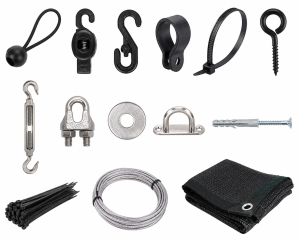
Step 1: Install support structure
- Use steel poles or treated wood
- Ensure 6–8 feet height for tomatoes
Step 2: Fix horizontal support wires
- Strong galvanized wire recommended
Step 3: Attach trellis netting
- Stretch evenly to avoid sagging
- Secure firmly on all sides
Step 4: Train plants upward
- Gently guide stems into net openings
- Use clips if necessary
Step 5: Maintenance
- Inspect weekly for plant alignment
- Repair loose sections immediately
Best Farming Regions in Kenya for Trellis Nets
Nairobi & Kiambu
- High-value greenhouse tomato farming
- Intensive urban agriculture systems
Rift Valley (Eldoret, Nakuru)
- Large-scale commercial tomato farms
- Cooler climate reduces disease pressure
Coastal Region (Mombasa)
- Requires stronger ventilation systems due to humidity
Western Kenya (Kisumu)
- Mixed smallholder farming systems
Trellis Nets Kenya Pricing Insights (2026)
Pricing depends on:
- Mesh size
- UV stabilization level
- Roll dimensions
- Load capacity
General trend:
- Small-scale trellis nets → affordable entry cost
- Commercial-grade nets → higher upfront cost but long lifespan
Key buying insight:
Always choose UV-treated trellis nets for Kenyan conditions due to strong equatorial sunlight exposure.
Climatic Advantages of Trellis Nets in Kenya
Kenya’s agriculture faces:
- High UV radiation
- Seasonal rainfall variation
- Heat stress in lowlands
Trellis nets help by:
- Reducing plant stress
- Improving water efficiency
- Stabilizing microclimates
- Enhancing crop resilience
Climbing Crop Support Systems vs Alternatives
Trellis nets vs bamboo staking
- Nets last longer and reduce recurring labor
Trellis nets vs plastic strings
- Nets provide better structural uniformity
Trellis nets vs wire-only systems
- Nets reduce crop damage and simplify training
Use Cases in Commercial Agriculture
Tomato greenhouses
- Controlled vertical farming systems in Kiambu and Naivasha
Export vegetable farming
- French beans and cucumbers for European markets
Smallholder farms
- Affordable yield improvement solution
People Also Ask
What are used for in Kenya?
Kenya are used to support climbing crops like tomatoes and beans, helping plants grow vertically for better yield, airflow, and disease control in both greenhouse and open-field farming systems.
Are better than sticks for tomatoes?
Yes, trellis nets are more durable and efficient than sticks. They improve airflow, reduce labor costs, and increase tomato yield by supporting vertical plant growth more effectively.
How long do last in Kenya?
High-quality UV-stabilized trellis nets last between 3 and 7 years depending on usage, weather exposure, and installation quality.
Can be used in greenhouse farming?
Yes, trellis nets are widely used in Kenyan greenhouses to support tomatoes, cucumbers, and other climbing crops for controlled and high-density farming.
- Agricultural netting solutions: home-garden
- Farming support systems: poultry-farming
- Hardware for installation: hardware
- Commercial farming tools:shop
- Fishing and aquaculture tools: fishing
- Tarpaulin and farm covers: tarps
- Company profile: about-us
- Contact experts: contact-us
FAQ Section
What is a trellis net?
Is a farming support structure used to guide the vertical growth of climbing crops like tomatoes, beans, and cucumbers, improving yield and plant health.
Why are important for tomato farming in Kenya?
They improve airflow, reduce disease risk, and increase yield efficiency, making them essential for commercial tomato farming in Kenya.
Can be reused?
Yes, high-quality UV-stabilized can be reused for multiple farming seasons, often lasting several years with proper care.
Do increase crop yield?
Yes, they significantly increase yield by improving sunlight exposure, plant spacing, and reducing fruit damage.
What is the best material for?
UV-stabilized HDPE is the best material due to its durability, strength, and resistance to harsh Kenyan weather conditions.
Are suitable for small farms?
Yes, they are highly effective for both smallholder and commercial farms due to their flexibility and affordability.
Email: sales@cougarnets.com | info@cougarnets.com
Phone: +254 706 903 465
Visit Us: Darosa Plaza, Karen Road, Nairobi
Website: https://cougarnets.co.ke/
Shop Online: https://cougarnets.co.ke/shop/
Contact Page: https://cougarnets.co.ke/contact-us/