No products in the cart.
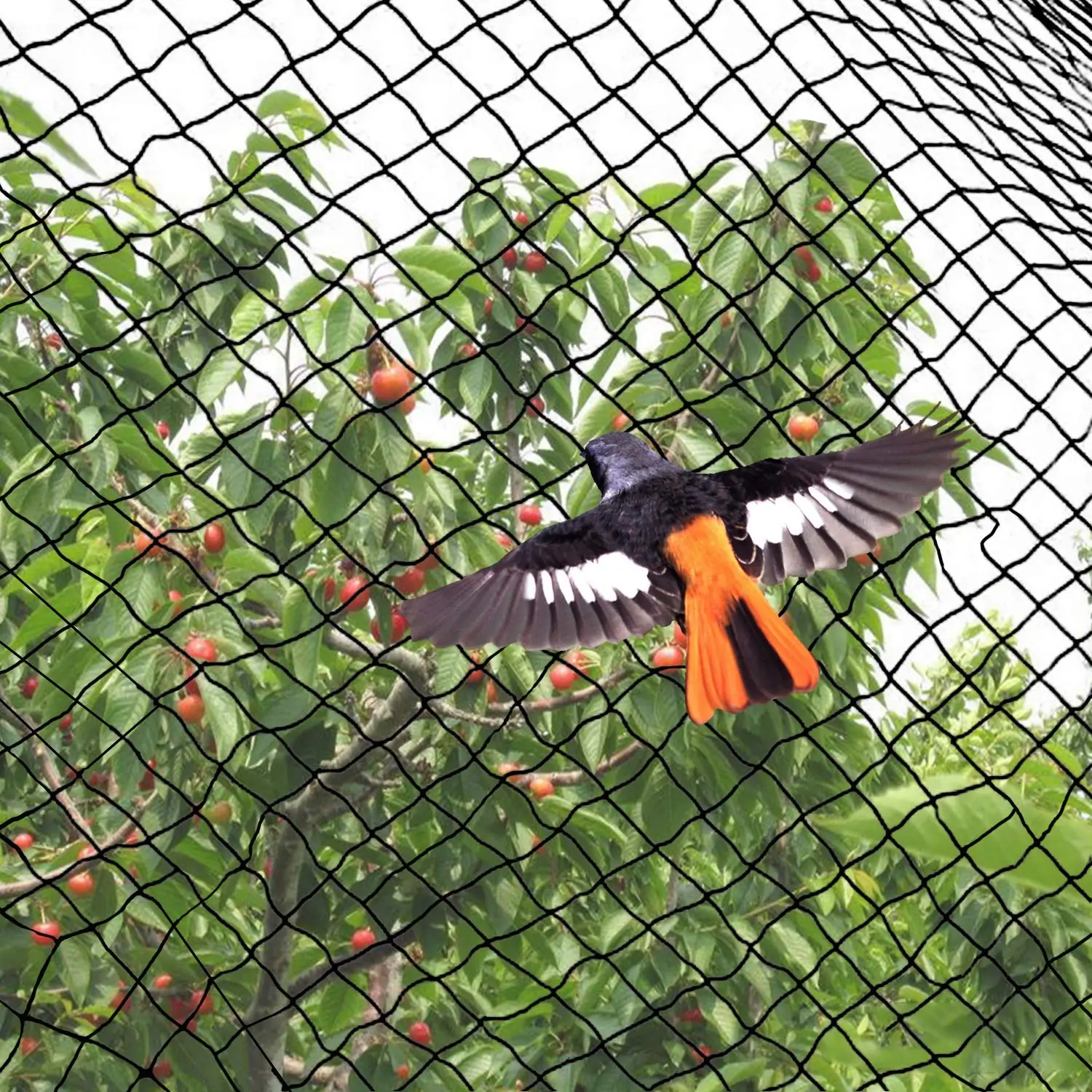
Anti-bird nets in Kenya are protective agricultural nets designed to prevent birds from damaging fruit crops, orchards, and vegetable farms. In Naivasha and other Kenyan horticultural regions, bird netting Kenya is widely used to protect high-value fruits such as strawberries, grapes, mangoes, and tomatoes. Fruit orchard protection using anti bird nets improves yield, reduces crop losses, and ensures better market quality for export and local sales.
Anti bird nets are an essential solution for fruit orchard protection in Kenya, especially in high-value farming zones like Naivasha, Thika, Murang’a, and parts of Central Rift Valley. Birds are a major cause of post-flowering crop losses, particularly in fruit gardens and commercial orchards where produce is targeted before harvest.
In Kenya’s growing horticulture industry, bird netting Kenya solutions have become a cost-effective way to protect farms without using harmful chemicals or constant human supervision. At Cougar Nets, farmers rely on durable, UV-stabilized netting systems designed to withstand strong sunlight, wind, and seasonal weather variations across East Africa.
This guide explores how anti bird nets work, where they are most effective, and why they are critical for modern fruit farming in Kenya.
What Are Anti Bird Nets?
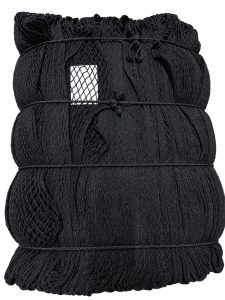
Anti bird nets are lightweight protective mesh systems designed to physically block birds from accessing crops.
Key characteristics:
- Fine mesh structure
- UV-stabilized HDPE material
- Lightweight but strong design
- Weather-resistant and reusable
Main purpose:
- Prevent bird feeding on fruits
- Reduce crop damage
- Improve harvest quality
Why Bird Netting Kenya Is Essential for Orchards
Bird damage is a major agricultural challenge in Kenya, especially for:
- Mango farms
- Strawberry farms (Naivasha)
- Tomato greenhouses
- Grapes and passion fruit farms
Common bird-related losses:
- Pecked fruits
- Premature fruit drop
- Contamination of produce
- Reduced market value
Anti bird nets solve these problems efficiently without affecting plant growth.
Fruit Orchard Protection in Naivasha and Kenya
Naivasha is one of Kenya’s key horticultural hubs due to:
- Cool climate
- High-value flower and fruit farming
- Export-oriented agriculture
Why Naivasha farms need bird nets:
- Large bird populations near Lake Naivasha
- High-value strawberry and vegetable production
- Export quality requirements
Example:
A strawberry farm in Naivasha using anti bird nets reported significantly reduced fruit loss during peak ripening seasons, improving export-grade yields.
Anti Bird Nets vs Traditional Bird Control Methods
| Method | Effectiveness | Cost | Sustainability | Crop Safety |
|---|---|---|---|---|
| Anti bird nets | Very High | Moderate | Long-term | Safe |
| Scarecrows | Low | Low | Short-term | Safe |
| Chemical repellents | Moderate | High | Temporary | Risky |
| Noise devices | Low | Moderate | Unreliable | Safe |
Anti bird nets provide the most reliable long-term protection.
Best Crops Protected by Bird Netting Kenya
High-value fruit crops:
- Mangoes
- Strawberries
- Grapes
- Passion fruit
- Avocados
Vegetables:
- Tomatoes (ripening stage)
- Peppers
- Sweet corn
Nursery protection:
- Seedlings in open fields
- Young fruit trees
How Anti Bird Nets Work
Anti bird nets act as a physical barrier that:
- Prevents birds from landing on crops
- Blocks access to ripening fruit
- Maintains airflow and sunlight penetration
Important design feature:
The mesh size is small enough to block birds but large enough to allow:
- Sunlight
- Rainfall
- Air circulation
Installation Guide for Fruit Orchard Protection Nets
Step 1: Set up support structure
- Use poles (steel or treated wood)
- Ensure height allows full canopy coverage
Step 2: Stretch net evenly
- Avoid sagging to prevent bird entry points
Step 3: Secure edges tightly
- Use clips, ropes, or fasteners
Step 4: Inspect coverage
- Ensure no gaps around orchard perimeter
Step 5: Seasonal maintenance
- Check after heavy winds or rain
Regional Use in Kenya
Naivasha & Central Rift Valley
- Strawberry farms
- Flower farms transitioning to fruit production
Central Kenya (Murang’a, Kiambu, Nyeri)
- Mango and avocado orchards
- Smallholder fruit gardens
Western Kenya (Kisumu, Kakamega)
- Mixed fruit farming systems
Coastal Kenya (Mombasa, Kilifi)
- Mango orchards affected by tropical bird activity
Economic Benefits of Anti Bird Nets
1. Reduced Crop Loss
Farmers can reduce fruit damage significantly during ripening seasons.
2. Higher Market Value
Protected fruits maintain export-grade quality.
3. Reduced Labor Costs
Less need for constant guarding or scare systems.
4. Increased Yield Consistency
Better harvest predictability across seasons.
Anti Bird Nets Kenya Pricing Insights (2026)
Pricing depends on:
- Mesh density
- UV stabilization level
- Farm size coverage
- Installation structure
Key insight:
UV-stabilized HDPE bird nets last multiple seasons, making them more cost-effective than repeated crop loss.
Maintenance Tips for Long-Term Use
- Remove debris regularly
- Repair small tears immediately
- Store properly after seasonal use
- Avoid sharp contact with poles or tools
People Also Ask
What are anti bird nets used for in Kenya?
Anti bird nets are used to protect fruit farms and orchards in Kenya by preventing birds from accessing and damaging crops before harvest.
Do bird nets work for fruit orchards?
Yes, bird nets are highly effective for orchards as they physically block birds while allowing sunlight, air, and rain to reach crops.
Which fruits need bird netting in Kenya?
Mangoes, strawberries, grapes, avocados, and passion fruits commonly require bird netting in Kenya due to high bird activity.
Are anti bird nets reusable?
Yes, high-quality UV-stabilized bird nets can be reused for several seasons with proper maintenance.
- Shade net systems: home-garden
- Farming protection nets: poultry-farming
- Hardware installation tools: hardware
- Aquaculture solutions: fishing
- Tarpaulin farm covers: tarps
- Shop all products: shop
- About Cougar Nets: about-us
- Contact page: contact-us
FAQ Section
Why are anti bird nets important in Kenya?
They protect high-value crops from bird damage, especially in fruit orchards and horticultural farms.
Can bird nets be used for vegetable farms?
Yes, especially during fruiting stages of vegetables like tomatoes and peppers.
How long do bird nets last?
UV-stabilized bird nets typically last 3–7 years depending on exposure and maintenance.
Do bird nets affect crop growth?
No, they allow sunlight, air, and rain while preventing bird access.
Are bird nets suitable for small farms?
Yes, they are highly effective for both smallholder and commercial farms.
Get Your Premium Netting Solutions Today!
For the best quality netting solutions for farming, construction, home, or any other project, look no further than Cougar Nets. Our team of experts is ready to help you choose the perfect product for your needs.
NATIONWIDE & EAST AFRICA DELIVERY AVAILABLE
- Premium quality nets for all applications
- Professional installation and expert advice
- Bulk orders and custom solutions available
- Serving Uganda, Kenya (Nairobi, Eldoret, Kisumu), South Sudan and beyond.
Contact Us for a Quote:
Cougar Nets
Email: sales@mft.co.ke | info@cougarnets.co.ke
Phone: +254 706 903 465
Visit Us: Darosa Plaza, Karen Rd, Nairobi
Website: https://cougarnets.co.ke/