No products in the cart.
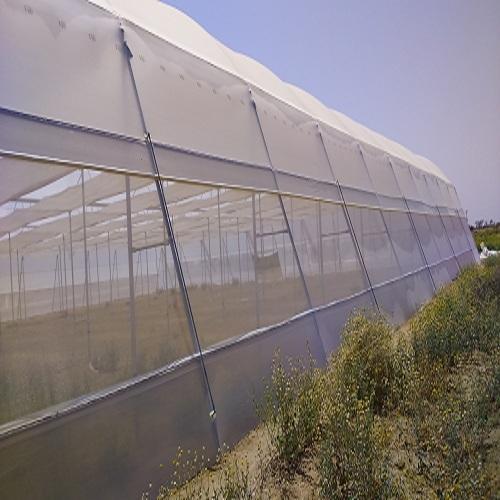
Insect nets for greenhouses in Kiambu Kenya are high-density mesh barriers designed to prevent pest entry while allowing airflow, sunlight, and humidity control for optimal crop growth. These nets are essential for greenhouse farming in Kenya, especially in Kiambu where intensive horticulture faces high pest pressure. Proper pest control netting significantly increases yields by reducing crop damage and pesticide dependence.
Insect nets for greenhouses in Kiambu Kenya are transforming modern greenhouse farming across Kenya and East Africa by enabling farmers to achieve higher yields with fewer chemical inputs. In Kiambu, where horticulture dominates small and commercial farming systems, pest pressure from whiteflies, aphids, thrips, and leaf miners has made pest control netting a critical investment.
Greenhouse farming Kenya continues to expand rapidly, and high-density insect nets are now considered a core infrastructure component rather than an optional upgrade. Cougar Nets has positioned itself as a trusted supplier of advanced pest control netting solutions designed for Kenya’s diverse agro-climatic zones, from Kiambu’s cool highlands to warmer regions like Mombasa and Kisumu.
By integrating insect-proof greenhouse mesh systems, farmers can improve crop quality, reduce pesticide costs, and increase export-grade production consistency.
What Are Insect Nets for Greenhouses? (Kiambu Farming Context)
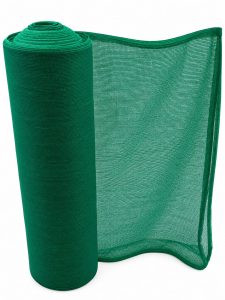
Insect nets for greenhouses are finely woven synthetic mesh materials designed to act as a physical barrier against harmful pests while maintaining environmental balance inside the greenhouse.
In Kiambu greenhouse farming systems, these nets are typically installed on:
- Side walls of greenhouses
- Roof ventilation panels
- Door entry points
- Nursery propagation units
Key Functions:
- Blocking insect entry (whiteflies, aphids, thrips)
- Improving airflow regulation
- Reducing pesticide dependence
- Enhancing organic farming compliance
- Maintaining humidity stability
Benefits of Insect Nets for Greenhouses in Kiambu Kenya
1. Significant Yield Increase
High-density pest control netting reduces crop losses by up to 40–70% depending on crop type.
2. Reduced Chemical Costs
Farmers in Kiambu report lower pesticide usage, improving both profitability and soil health.
3. Improved Export Quality
Crops like tomatoes, capsicum, and cucumbers achieve better grading due to reduced pest damage.
4. Climate Adaptation
Kiambu’s fluctuating temperatures and rainfall patterns make controlled environments essential.
5. Sustainable Farming Compliance
Supports integrated pest management (IPM) practices used in modern greenhouse farming Kenya systems.
Technical Specifications of Greenhouse Pest Control Netting
Below is a comparison of common insect net densities used in Kenya:
| Mesh Density | Aperture Size | Pest Protection Level | Recommended Use |
|---|---|---|---|
| 32 mesh | Large | Low | Ventilation zones |
| 40 mesh | Medium | Moderate | General vegetable farming |
| 50 mesh | Fine | High | Tomato & capsicum farms |
| 60–75 mesh | Very fine | Very high | Export-grade greenhouse farming |
Material Characteristics:
- UV-stabilized polyethylene
- High tensile strength fibers
- Weather-resistant coating
- Anti-tear reinforcement
How Insect Nets Improve Greenhouse Farming in Kenya
Greenhouse farming Kenya relies heavily on environmental control. Insect nets improve three critical systems:
1. Pest Exclusion System
Physical blocking reduces pesticide dependency and prevents virus transmission by insects.
2. Microclimate Regulation
Proper mesh selection ensures:
- Stable humidity
- Controlled airflow
- Reduced heat stress
3. Pollination Management
Some greenhouse systems integrate controlled pollination techniques alongside insect nets for optimized fruit set.
Installation Guide for Insect Nets in Greenhouses (Kiambu Model)
Step 1: Frame Inspection
Ensure greenhouse structure is sealed and structurally sound.
Step 2: Net Cutting & Fitting
Cut pest control netting according to ventilation openings.
Step 3: Secure Fixing
Use:
- Aluminum clips
- UV-resistant binding wires
- Reinforced stitching tape
Step 4: Entry Point Sealing
Install double-door systems to prevent insect infiltration.
Step 5: Final Inspection
Check for:
- Gaps
- Loose edges
- Torn sections
Best Crops for Insect Net Greenhouse Farming in Kiambu
- Tomatoes
- Cucumbers
- Capsicum (bell peppers)
- Strawberries
- Herbs (basil, coriander, mint)
These crops benefit most due to high sensitivity to insect-borne diseases.
Pricing Insights for Insect Nets in Kenya
Pricing varies depending on mesh density, material grade, and greenhouse size.
Estimated Market Range:
- Entry-level nets: Budget-friendly for small-scale farmers
- Mid-grade UV-stabilized nets: Most common in Kiambu
- Premium export-grade nets: High-density, long lifespan (5–8 years)
Cost Factors:
- Mesh density
- UV stabilization quality
- Roll width and length
- Installation complexity
Comparing Insect Nets vs Traditional Pest Control
| Feature | Insect Nets | Chemical Sprays |
|---|---|---|
| Pest prevention | Continuous | Reactive |
| Cost over time | Lower | Higher |
| Environmental impact | Eco-friendly | Chemical residue |
| Crop safety | High | Moderate |
| Export compliance | Strong | Limited |
Use Cases by Region in East Africa
Kiambu & Central Kenya
- High-value horticulture farming
- Dense greenhouse clusters
Mombasa Coastal Region
- High humidity requires anti-mold ventilation nets
Rift Valley (Eldoret, Nakuru)
- Large-scale commercial greenhouse farming
Kisumu Region
- High pest pressure due to warm climate
Maintenance of Greenhouse Pest Control Netting
To extend lifespan:
- Clean nets every 2–3 months
- Inspect for UV degradation annually
- Repair tears immediately
- Avoid chemical buildup on mesh surface
Proper maintenance ensures 5–8 years of effective use.
Compliance and Quality Standards
Modern greenhouse farming Kenya systems must align with:
- Integrated Pest Management (IPM) standards
- Export horticulture requirements
- eTIMS compliance for agricultural procurement documentation in Kenya
Cougar Nets ensures all supply documentation supports business tax compliance requirements, including eTIMS invoicing for commercial farms and agribusinesses.
Why Cougar Nets is a Trusted Supplier in Kenya
Cougar Nets provides:
- Industrial-grade insect nets for greenhouses
- Custom sizing for Kiambu farms
- Nationwide delivery across Kenya and East Africa
- Technical support for installation
- Bulk order solutions for commercial farms
- shop
- home-garden
- poultry-farming
- animals-pet-supplies
- tarps
- fishing
- contact-us
- faqs
People Also Ask
Why are insect nets important for greenhouse farming in Kiambu?
They prevent pest entry, reduce pesticide use, and improve crop yields, making them essential for modern greenhouse farming systems in Kenya.
What mesh size is best for greenhouse insect nets?
A 40–60 mesh is ideal for most crops in Kiambu, balancing airflow and pest protection.
Do insect nets reduce crop diseases?
Yes, they reduce virus transmission by blocking insect vectors such as whiteflies and aphids.
How long do greenhouse insect nets last in Kenya?
High-quality UV-stabilized nets last between 5–8 years depending on maintenance and environmental exposure.
FAQ SECTION
1. What are insect nets for greenhouses in Kenya used for?
They are used to block harmful insects while maintaining airflow and sunlight inside greenhouses. In Kiambu, they are essential for protecting crops like tomatoes and capsicum from pests that reduce yield and quality.
2. Are insect nets better than pesticides for greenhouse farming?
Yes, insect nets provide continuous physical protection, reducing reliance on pesticides. This improves soil health, lowers production costs, and helps farmers meet export standards.
3. What is the best mesh size for greenhouse insect nets in Kiambu?
The best mesh size is typically 40–60 mesh depending on crop type. Finer meshes offer better protection but slightly reduce airflow, which must be balanced carefully.
4. How long do pest control nettings last in Kenya?
High-quality UV-stabilized pest control netting can last 5–8 years with proper maintenance, including regular cleaning and inspection for tears.
5. Can insect nets improve greenhouse yields?
Yes, they significantly increase yields by reducing pest damage, improving plant health, and minimizing crop losses from insect-borne diseases.
6. Are insect nets suitable for organic farming in Kenya?
Yes, they are widely used in organic farming systems because they reduce or eliminate the need for chemical pesticides.
7. Do greenhouse insect nets affect pollination?
They may restrict natural pollinators, so farmers often use manual or controlled pollination methods for crops like tomatoes.
Get Your Premium Netting Solutions Today! For the best quality netting solutions for farming, construction, home, or any other project, look no further than Cougar Nets. Our team of experts is ready to help you choose the perfect product for your needs.
NATIONWIDE & EAST AFRICA DELIVERY AVAILABLE ✔ Premium quality nets for all applications ✔ Professional installation and expert advice ✔ Bulk orders and custom solutions available ✔ Serving Kenya (Nairobi, Eldoret, Kisumu), Uganda, Tanzania, Rwanda, South Sudan, Ethiopia and beyond.
Contact Us for a Quote:
Cougar Nets
Email: sales@cougarnets.com | info@cougarnets.com
Phone: +254 706 903 465
Visit Us: Darosa Plaza, Karen Rd, Nairobi
Website: https://cougarnets.co.ke/