No products in the cart.
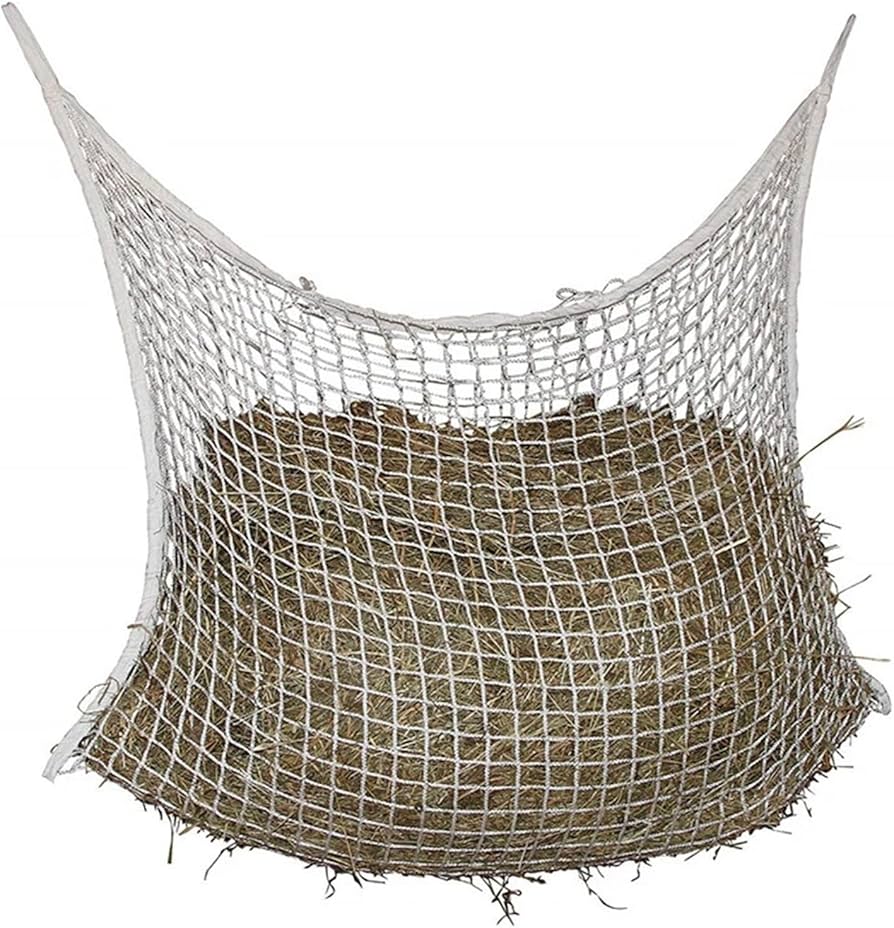
Hay storage mesh refers to durable netting used to secure, organize, and protect hay and fodder from contamination, moisture, and livestock waste. In Kenya, hay storage mesh and fodder protection nets improve livestock feed management by reducing spoilage, controlling access, and increasing storage efficiency in farms across East Africa.
Introduction
Effective livestock feed management is a major challenge for farmers in Kenya, especially during dry seasons in regions such as Kajiado, Narok, Rift Valley, and parts of Eastern Kenya. Proper hay storage mesh solutions in Kenya help farmers preserve fodder quality, reduce wastage, and improve feeding efficiency for cattle, goats, sheep, and dairy livestock.
Cougar Nets provides durable multi-purpose mesh systems designed not only for poultry and fencing but also for advanced fodder protection nets that improve farm storage hygiene, airflow, and feed preservation.
Understanding Hay Storage Mesh in Livestock Feed Management
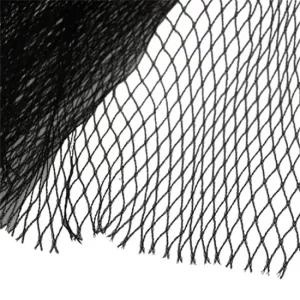
Hay storage mesh is a strong, flexible netting system used to contain and protect hay bales or loose fodder. It helps prevent contamination from dust, animals, and moisture while maintaining airflow.
Unlike traditional storage methods such as open stacking or plastic covering, mesh systems allow controlled ventilation, which reduces mold formation and improves feed quality.
Farmers can explore durable mesh options in the Home & Garden category.
Why Fodder Protection Nets Matter in Kenya
Fodder is a high-value input in livestock farming, and poor storage leads to significant financial loss. Using fodder protection nets helps reduce spoilage caused by:
- Rainwater exposure during storage
- Rodent and bird contamination
- Excessive humidity in storage sheds
- Compression damage in stacked hay
In regions like Nakuru and Eldoret, where dairy farming is intensive, proper feed storage directly improves milk production and livestock health.
Creative Uses of Multi-Purpose Mesh in Feed Storage Systems
Multi-purpose mesh systems are not limited to fencing. Farmers in Kenya are increasingly using them in innovative ways.
One common application is creating suspended hay nets that allow livestock controlled feeding access while minimizing wastage. This system is widely used in zero-grazing units.
Another method involves using mesh partitions inside storage barns to separate different feed types such as hay, silage, and concentrate feed, improving livestock feed management efficiency.
Mesh can also be used as protective wrapping for transported fodder to prevent dust contamination during movement between farms and markets.
Hay Storage Mesh vs Traditional Feed Storage Methods
Traditional methods such as open stacking expose fodder to moisture and pests, leading to rapid spoilage. Plastic wrapping improves moisture resistance but restricts airflow, which can cause mold buildup if not properly managed.
Hay storage mesh offers a balanced solution by allowing airflow while protecting fodder from contamination and physical damage. This makes it more suitable for long-term storage in Kenyan climatic conditions.
Livestock Feed Management Efficiency Using Mesh Systems
Efficient livestock feed management depends on reducing waste and maintaining feed quality. Mesh systems improve efficiency by:
- Reducing trampling losses from livestock
- Preventing feed contamination from soil and dust
- Improving portion control during feeding
- Enhancing storage organization in barns
In dairy-intensive regions such as Nyandarua and Uasin Gishu, these improvements directly translate into higher productivity and lower feed costs.
Material Selection for Hay Storage Mesh in Kenya
The performance of hay storage mesh depends on material quality.
PVC-coated mesh provides excellent resistance to UV rays and moisture, making it ideal for outdoor storage systems. Galvanized mesh offers strong structural durability, especially for heavy hay bales. Nylon-based mesh is flexible and lightweight, suitable for temporary storage and transport.
Farmers can find durable options in the Hardware category.
Regional Applications in Kenya
In Rift Valley regions such as Eldoret, hay storage mesh is widely used in dairy farming due to large-scale fodder requirements. In Kajiado and Narok, it is used for goat and sheep feed protection in semi-arid conditions. In Central Kenya, mesh systems support zero-grazing dairy farms where controlled feeding is essential.
Coastal regions like Mombasa use mesh mainly for protecting imported feed from humidity and salt-air damage.
Installation Practices for Fodder Protection Nets
Proper installation ensures maximum efficiency of hay storage mesh systems.
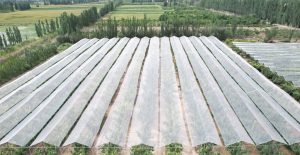
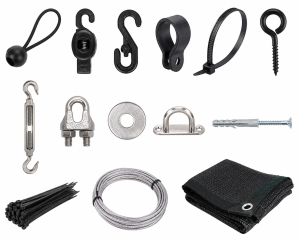
Farmers should create elevated storage platforms to prevent ground moisture absorption. Mesh should be tightly secured around fodder stacks to prevent gaps that allow pest entry. Storage areas should allow airflow while protecting from direct rainfall.
For best results, mesh systems should be combined with protective covers available in the Tarpaulin solutions category.
Benefits of Using Multi-Purpose Mesh in Livestock Farming
Multi-purpose mesh improves farm efficiency by:
- Extending fodder shelf life
- Reducing feed wastage
- Improving hygiene in storage areas
- Enhancing livestock nutrition consistency
- Lowering operational feed costs
These benefits are critical for both small-scale and commercial livestock farmers across Kenya.
Comparison of Feed Protection Solutions
Wire mesh systems provide durability and ventilation. Plastic sheets provide moisture protection but reduce airflow. Wooden enclosures offer structural strength but attract pests if not properly sealed. Mesh systems remain the most balanced solution for fodder protection and livestock feed management in Kenyan farming environments.
People Also Ask
What is hay storage mesh used for
Hay storage mesh is used to protect and organize hay and fodder in livestock farming. It prevents contamination, reduces spoilage, and improves airflow, making feed last longer and remain nutritious for animals.
How does fodder protection netting improve feed quality
Fodder protection netting improves feed quality by reducing exposure to moisture, pests, and dust while allowing airflow. This helps prevent mold growth and maintains nutritional value for livestock consumption.
Can mesh be used for livestock feeding systems
Yes, mesh is widely used in controlled feeding systems where livestock access hay through nets, reducing waste and ensuring efficient feed consumption in dairy and goat farming systems.
What is the best material for hay storage mesh in Kenya
PVC-coated and galvanized mesh are the best materials due to their durability, resistance to weather conditions, and ability to withstand long-term outdoor or semi-outdoor storage conditions.
Contact Us
For high-quality hay storage mesh, fodder protection nets, and livestock feed management solutions across Kenya and East Africa, contact Cougar Nets.
Explore durable solutions in the Shop, browse Hardware products, or reach out through the Contact page.
Get Your Premium Netting Solutions Today!
For the best quality netting solutions for farming, construction, home, or any other project, look no further than Cougar Nets. Our team of experts is ready to help you choose the perfect product for your needs.
NATIONWIDE & EAST AFRICA DELIVERY AVAILABLE
- Premium quality nets for all applications
- Professional installation and expert advice
- Bulk orders and custom solutions available
- Serving Uganda, South Sudan, Ethiopia and beyond.
Contact Us for a Quote:
Cougar Nets
Email: sales@mft.co.ke | info@cougarnets.co.ke
Phone: +254 706 903 465
Visit Us: Darosa Plaza, Karen Rd, Nairobi
Website: https://cougarnets.co.ke/