No products in the cart.
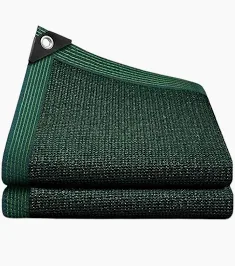
Agriculture in Kenya continues to evolve rapidly as farmers adopt modern techniques to improve productivity and protect crops from unpredictable weather patterns. One of the most effective innovations in controlled farming environments is the use of Shade Nets in Kenya. These nets have become essential tools for farmers dealing with excessive sunlight, heat stress, pest infestation, and inconsistent rainfall patterns.
In regions such as Nairobi, Nakuru, Eldoret, Kisumu, and parts of Eastern Kenya, crop production is heavily influenced by climatic variations. Without proper protection, crops like tomatoes, capsicum, strawberries, flowers, and seedlings often suffer from sunscald, dehydration, and reduced growth rates. This is where agricultural shade nets come in as a cost-effective and reliable solution.
Modern farming is no longer just about soil and seeds; it is about creating a controlled micro-environment where crops can thrive regardless of external conditions. High-quality UV-treated shade nets help regulate temperature, reduce light intensity, and improve humidity levels, ultimately leading to higher yields and better-quality produce.
In this comprehensive guide, we explore everything you need to know about selecting the right agricultural shade nets in Kenya, their types, applications, benefits, installation methods, and how Cougar Nets provides industry-leading solutions for farmers across East Africa.
Understanding Agricultural Shade Nets in Kenya
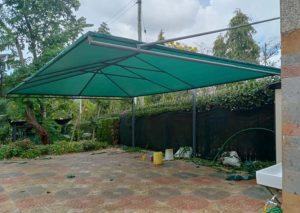
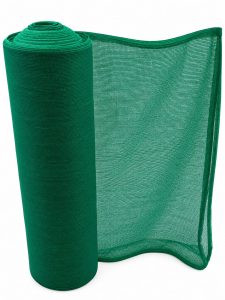
Agricultural shade nets are specially designed mesh materials made from high-density polyethylene (HDPE) or similar durable materials. They are engineered to reduce solar radiation and protect crops from harsh environmental conditions.
In Kenya’s farming ecosystem, shade nets are widely used in:
- Greenhouse farming
- Nursery seedling production
- Flower farming (floriculture)
- Vegetable farming
- Tea and coffee nurseries
- Horticultural farms
The effectiveness of Shade Nets in Kenya depends on factors such as shading percentage, material quality, UV stabilization, and installation method.
High-quality nets, such as those offered by Cougar Nets, are UV-treated to withstand long-term exposure to sunlight without degrading quickly.
You can explore premium solutions here:
shade-nets
Types of Shade Nets in Kenya and Their Applications
Choosing the right shade net depends on the specific crop and environmental conditions. Below are the most common types used in Kenyan agriculture.
1. 30%–50% Shade Nets for Light-Sensitive Crops
These nets allow higher light penetration and are ideal for crops that require moderate sunlight, such as:
- Tomatoes
- Peppers
- Herbs
- Certain flower varieties
They are commonly used in open-field farming and nurseries.
2. 50%–80% Shade Nets for High-Temperature Areas
In hot regions of Kenya, especially arid and semi-arid areas, higher shade percentages are required. These nets are suitable for:
- Seedling nurseries
- Vegetable propagation
- Greenhouse cooling
For heavy-duty protection, farmers often choose durable options such as:
shade-net-80-320gsm
3. Specialized UV-Resistant Shade Nets
UV-stabilized nets are designed for long-term agricultural use. They resist degradation and maintain performance over several seasons.
These are ideal for commercial farms and export-oriented production systems.
Key Benefits of Using Shade Nets in Kenya
The adoption of shade nets in Kenyan agriculture has transformed productivity levels across various farming sectors. Below are the major benefits:
1. Protection from Excessive Sunlight
Direct sunlight can damage delicate crops, especially seedlings. Shade nets help filter sunlight and reduce intensity, preventing leaf burn and dehydration.
2. Temperature Regulation
Shade nets help reduce greenhouse and field temperatures by up to 10°C, creating an optimal environment for plant growth.
3. Pest and Insect Control
When combined with insect netting, shade nets significantly reduce pest attacks, minimizing the need for chemical pesticides.
Farmers can also integrate solutions like insect protection nets:
insect-net-40-mesh-5m-by-100m
4. Improved Water Efficiency
By reducing evaporation, shade nets help conserve soil moisture, reducing irrigation costs.
5. Higher Crop Yield and Quality
Plants grown under controlled conditions produce higher yields, better coloration, and improved market value.
6. Protection from Wind and Heavy Rain
Shade nets act as a barrier against harsh weather, reducing physical damage to crops.
Choosing the Right Shade Nets in Kenya: Key Factors to Consider
Selecting the correct shade net is critical for maximizing agricultural output. Here are the most important factors to evaluate:
1. Shade Percentage
Different crops require different light intensities. Choosing the wrong percentage can lead to poor growth or excessive shading.
2. Material Quality (HDPE vs PVC Coated Nets)
HDPE nets are widely preferred due to their durability, flexibility, and UV resistance. PVC-coated materials are stronger but typically used in construction and heavy-duty applications.
For agricultural use, HDPE shade nets are the most suitable.
3. UV Stabilization
UV-treated nets last longer under direct sunlight, making them more cost-effective in the long term.
4. GSM (Grams per Square Meter)
Higher GSM means stronger and more durable nets. For example, 320 GSM shade nets offer excellent durability for commercial farming.
5. Farm Type and Crop Requirements
- Greenhouses: 50%–80% shade
- Nurseries: 30%–50% shade
- Flower farms: customized shading levels
Installation of Shade Nets in Kenya: Best Practices
Proper installation ensures maximum efficiency and durability. Here are key installation guidelines:
Step 1: Site Assessment
Evaluate wind direction, sunlight exposure, and crop type before installation.
Step 2: Frame Construction
Use strong supporting structures such as steel, wood, or galvanized pipes.
Step 3: Net Stretching
Ensure even tension to avoid sagging, which can reduce effectiveness and cause damage.
Step 4: Secure Fastening
Use durable fastening materials like braided rope for long-lasting stability:
braided-rope-10mm
Step 5: Regular Maintenance
Inspect nets regularly for tears or loosening and repair promptly.
Comparison: Shade Nets vs Other Crop Protection Methods
Farmers often compare shade nets with other protective systems:
Shade Nets vs Greenhouse Films
- Shade nets allow airflow and are more cost-effective
- Greenhouses provide full environmental control but are expensive
Shade Nets vs Mulching
- Mulching protects soil moisture
- Shade nets protect the entire plant canopy
Shade Nets vs Chemical Protection
- Shade nets are eco-friendly
- Chemicals may harm soil health over time
Applications of Shade Nets in Kenyan Agriculture
1. Nursery Farming
Seedlings require controlled environments for healthy development.
2. Floriculture
Flower farms rely heavily on shade nets for color control and bloom quality.
3. Vegetable Farming
Leafy vegetables thrive under reduced sunlight conditions.
4. Fruit Farming
Shade nets protect fruits from sunburn and pests.
5. Greenhouse Farming
They complement greenhouse structures for climate control.
Why Cougar Nets Is the Leading Supplier of Shade Nets in Kenya
Cougar Nets has established itself as a trusted supplier of agricultural, construction, and industrial netting solutions in Kenya and East Africa.
Farmers prefer Cougar Nets because:
- High-quality UV-stabilized materials
- Durable and long-lasting products
- Wide range of agricultural netting solutions
- Expert consultation for farmers
- Reliable nationwide delivery
Explore more agricultural solutions here:
cougarnets
For direct assistance:
contact-us
Maintenance Tips for Long-Lasting Shade Nets
Proper maintenance increases the lifespan of shade nets significantly:
- Clean nets regularly to remove dust and debris
- Avoid sharp objects near installation areas
- Check for tears after storms
- Store properly during off-season use
Common Mistakes Farmers Make When Using Shade Nets
- Choosing incorrect shade percentage
- Poor installation and loose fastening
- Using low-quality, non-UV-treated nets
- Ignoring maintenance schedules
- Over-shading crops leading to low yields
Avoiding these mistakes ensures maximum productivity.
Conclusion
Shade nets have become a vital component of modern agriculture in Kenya. They provide a cost-effective way to control environmental conditions, improve crop quality, and increase yields. Whether you are a small-scale farmer or a large commercial grower, investing in high-quality Shade Nets in Kenya is a strategic decision that directly impacts productivity and profitability.
Cougar Nets continues to lead the industry by providing durable, UV-stabilized, and professionally designed netting solutions tailored to the unique needs of Kenyan farmers.
Get Your Premium Netting Solutions Today!
Get Your Premium Netting Solutions Today!
For the best quality netting solutions for farming, construction, home, or any other project, look no further than Cougar Nets. Our team of experts is ready to help you choose the perfect product for your needs.
NATIONWIDE & EAST AFRICA DELIVERY AVAILABLE
✔ Premium quality nets for all applications
✔ Professional installation & expert advice
✔ Bulk orders & custom solutions available
✔ Serving Tanzania, Rwanda, Kenya (Nairobi, Mombasa, Kisumu, Eldoret, Nakuru), Uganda, South Sudan, Ethiopia & beyond.
Contact Us for a Quote:
Cougar Nets
Email: sales@cougarnets.com | info@cougarnets.com
Phone: +254 706 903 465
Visit Us: Darosa Plaza, Karen Rd, Nairobi
Website: https://cougarnets.co.ke/