No products in the cart.
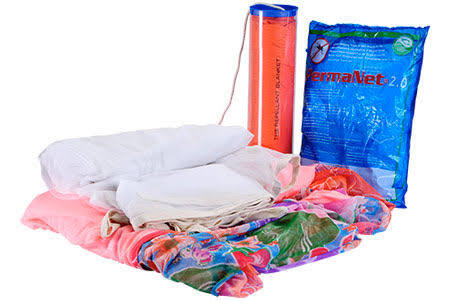
Disaster relief nets Kenya are becoming increasingly important as climate-related emergencies continue to affect communities across the country. Flooding in western Kenya, displacement in informal settlements in Nairobi, and coastal storms in Mombasa have created urgent demand for fast, reliable shelter systems.
In such situations, rapid-deployment materials like waterproof nets and tarpaulins are critical for protecting displaced families. As a trusted supplier in this sector, Cougar Nets provides durable emergency-grade netting solutions designed for extreme weather conditions and humanitarian response operations across Kenya and East Africa.
This guide explains how disaster relief nets work, where they are used, and why they are essential in Kenya’s emergency response systems.
Why Disaster Relief Nets Kenya Are Essential
Kenya experiences recurring natural and human-made disasters that require immediate shelter solutions.
Key challenges include:
- Seasonal flooding in Kisumu, Budalangi, and Tana River
- Urban displacement in Nairobi informal settlements
- Coastal storms and heavy rains in Mombasa and Kilifi
- Drought-related migration in northern Kenya
Key benefits of disaster relief nets:
- Rapid deployment within hours
- Lightweight and easy transportation
- Waterproof protection against heavy rain
- Temporary housing structure support
- Cost-effective emergency response solution
These features make disaster relief nets Kenya a core part of humanitarian logistics.
Types of Disaster Relief Nets Kenya
1. Waterproof Tarpaulin Nets
Heavy-duty waterproof sheets used for:
- Emergency roofing
- Temporary shelters
- Ground protection in camps
2. Reinforced Shelter Nets
Used for:
- Structural support in emergency tents
- Camp safety barriers
- Wind and dust protection
3. Shade and Climate Protection Nets
Used in hot and dry regions for:
- Heat reduction in displacement camps
- Protection from dust storms
- Child and livestock sheltering
4. Multipurpose Emergency Net Systems
Used by NGOs and relief agencies for:
- Camp organization
- Partitioning shelter zones
- Temporary fencing and security
Disaster Scenarios in Kenya Requiring Relief Nets
Flood-Prone Areas (Kisumu, Budalangi, Tana River)
Floods destroy homes quickly, requiring immediate deployment of waterproof disaster relief nets Kenya systems.
Urban Emergencies (Nairobi)
Fire outbreaks, demolitions, and evictions require fast temporary shelter systems.
Coastal Regions (Mombasa, Kilifi)
Heavy rains and storms make waterproof tarpaulin nets essential for survival.
Arid and Semi-Arid Lands (Turkana, Marsabit)
Shade nets are used in emergency camps to reduce heat exposure.
How Disaster Relief Nets Kenya Are Used in Emergencies
Step 1: Site Assessment
- Elevated ground selected to avoid flooding
- Wind direction and drainage evaluated
Step 2: Frame Construction
- Wooden or metal poles installed
- Anchors reinforced using ropes, sandbags, or weights
Step 3: Net Deployment
- Waterproof tarpaulins stretched tightly over frames
- Nets layered for insulation and wind protection
Step 4: Reinforcement
- Edges secured to prevent water leakage
- Structural joints tightened for stability
Step 5: Shelter Organization
- Nets used to divide sleeping, cooking, and medical zones
- Walkways created for movement and safety
Technical Features of Disaster Relief Nets Kenya
| Feature | Importance in Emergency Use |
|---|---|
| Waterproof coating | Prevents rain penetration |
| UV resistance | Protects from sun damage |
| Tear resistance | Ensures durability in harsh conditions |
| Lightweight design | Enables fast deployment |
| High tensile strength | Supports temporary shelter structures |
Information Gain: Real Kenya Use Cases
Flood Response in Western Kenya
During heavy rains, disaster relief nets Kenya are deployed within 24–48 hours to create temporary shelters for displaced families.
NGO Relief Camps
Used to:
- Separate family units
- Provide privacy
- Create structured living zones
School Conversion Shelters
Schools in flood-prone areas like Kisumu are converted into emergency shelters using tarpaulin net systems for roofing and partitioning.
Disaster Relief Nets vs Standard Nets in Kenya
| Feature | Relief Nets | Standard Nets |
|---|---|---|
| Waterproofing | High | Medium |
| Deployment speed | Very fast | Moderate |
| Durability | High | Medium |
| Shelter suitability | Excellent | Limited |
| Cost efficiency | High in emergencies | General use |
Maintenance of Disaster Relief Nets Kenya
Even emergency nets can be reused if properly maintained.
After use:
- Clean mud and debris immediately
- Dry completely before storage
- Inspect for tears or weak points
- Patch minor damage using repair kits
Storage:
- Roll instead of folding
- Store in dry, ventilated spaces
- Keep away from sharp objects and rodents
eTIMS Compliance for Disaster Relief Nets Kenya
For NGOs, government procurement, and bulk emergency supply chains, compliance with Kenya Revenue Authority eTIMS is essential.
Cougar Nets supports:
- Proper tax-compliant invoicing
- Transparent procurement documentation
- Bulk supply for relief organizations
Pricing Insights for Disaster Relief Nets Kenya
Pricing depends on:
- Material thickness (GSM rating)
- Waterproof coating quality
- Size and coverage area
- Reinforcement strength
- Bulk procurement agreements
Emergency-grade nets cost more due to durability requirements but offer critical protection during disasters.
- Shop emergency supplies: Cougar Nets Shop
- About Cougar Nets: About Us
- Contact for bulk orders: Contact Page
- Home & garden solutions: Home & Garden Category
- Tarpaulins category: Tarpaulins Kenya
- Fishing nets: Fishing Equipment
- FAQ section: Help Center
People Also Ask
What are disaster relief nets Kenya used for?
They are used for emergency shelters, flood response housing, and temporary camp organization during disasters.
Are disaster relief nets waterproof?
Yes, most relief nets are coated or combined with tarpaulins to provide full waterproof protection.
How fast can disaster relief nets be deployed?
They can be deployed within hours depending on site readiness and available materials.
Can disaster relief nets be reused?
Yes, if properly cleaned, dried, and stored after use.
FAQ: Disaster Relief Nets Kenya
1. What are disaster relief nets Kenya?
They are emergency netting systems used to provide temporary shelter and protection during floods, displacement, and disasters.
2. Why are they important in Kenya?
They provide fast, affordable shelter solutions in areas affected by floods, droughts, and urban displacement.
3. What materials are used in relief nets?
Most are made from waterproof polyethylene with UV and tear-resistant coatings.
4. Can NGOs use disaster relief nets?
Yes, NGOs and government agencies widely use them for emergency response operations.
5. How long do relief nets last?
They can last months to years depending on usage and storage conditions.
6. Where are they most used in Kenya?
They are commonly used in Kisumu, Nairobi, Mombasa, Tana River, and Turkana regions.
Call To Action
Get Your Premium Netting Solutions Today! For the best quality netting solutions for farming, construction, home, or any other project, look no further than Cougar Nets. Our team of experts is ready to help you choose the perfect product for your needs.
NATIONWIDE & EAST AFRICA DELIVERY AVAILABLE
Premium quality nets for all applications
Professional installation and expert advice
Bulk orders and custom solutions available
Serving Kenya (Nairobi, Eldoret, Kisumu), Uganda, Tanzania, Rwanda, South Sudan, Ethiopia and beyond.
Contact Us for a Quote:
Cougar Nets
Email: sales@cougarnets.com | info@cougarnets.com
Phone: +254 706 903 465
Visit Us: Darosa Plaza, Karen Rd, Nairobi
Website: Cougar Nets Official Site