No products in the cart.

Tomato farming is one of the most profitable horticultural activities in Kenya, providing income opportunities for small-scale farmers, commercial growers, and agribusiness investors. However, successful tomato production requires careful management of environmental conditions, pests, diseases, and weather challenges.
One of the most effective ways farmers are improving tomato production is through the use of Greenhouse Netting in Kenya. Greenhouse netting provides an additional layer of protection that helps farmers create a more controlled growing environment, improve crop quality, reduce pest damage, and increase yields.
Traditional open-field tomato farming exposes crops to many risks, including extreme sunlight, heavy rainfall, strong winds, insects, birds, and temperature fluctuations. These challenges can reduce productivity and increase the cost of farm operations.
By installing quality greenhouse netting, farmers can protect their tomato plants while maintaining the airflow, sunlight, and growing conditions necessary for healthy development.
At Cougar Nets, we provide durable agricultural netting solutions designed for Kenyan farming conditions. From insect protection to shade management, our products help farmers improve productivity and build more sustainable farming systems.
This guide explores the benefits of greenhouse netting for tomato farming in Kenya, how it works, the different types available, installation considerations, maintenance practices, and why investing in quality agricultural netting can transform tomato production.
The Importance of Greenhouse Netting in Kenya’s Tomato Farming Industry
Tomatoes are highly valuable crops in Kenya due to their consistent market demand from households, restaurants, retailers, and food processors.
However, tomato farming comes with several challenges:
- Pest infestations
- Disease transmission
- Excessive heat
- Heavy rainfall
- Strong winds
- Bird damage
- Reduced fruit quality
These challenges can affect both small-scale farmers and large commercial producers.
Greenhouse netting helps address these problems by improving crop protection and creating a more favourable environment for tomato plants.
Instead of relying only on pesticides or reacting to weather problems, farmers can use netting systems as a preventive solution.
What Is Greenhouse Netting?
Greenhouse netting refers to specialised agricultural mesh materials installed around greenhouse structures or crop protection systems.
The purpose of greenhouse netting is to regulate and protect the growing environment.
Depending on the type used, greenhouse nets can:
- Prevent insect entry
- Reduce excessive sunlight
- Protect crops from birds
- Improve ventilation
- Support healthier plant growth
Unlike solid greenhouse coverings, netting allows air movement while providing protection.
This balance is especially important for tomatoes because the crop requires good ventilation and stable growing conditions.
Why Tomato Farmers in Kenya Need Greenhouse Netting
Protection Against Tomato Pests
Pests are among the biggest challenges affecting tomato farmers.
Common tomato pests include:
- Whiteflies
- Aphids
- Thrips
- Leaf miners
- Caterpillars
These pests can damage plants directly or spread diseases that reduce yields.
Insect-resistant greenhouse netting creates a physical barrier that limits pest access while allowing airflow.
Cougar Nets provides agricultural insect protection solutions such as:
These nets help farmers reduce pest pressure and improve crop protection.
Benefits of Greenhouse Netting in Kenya for Tomato Production
1. Better Pest Control Without Excessive Chemical Use
One of the biggest advantages of greenhouse netting is reducing the need for frequent pesticide applications.
A well-installed insect net helps prevent many pests from reaching tomato plants.
Benefits include:
- Reduced crop damage
- Lower chemical costs
- Safer working conditions
- Improved produce quality
For farmers supplying fresh markets, reducing chemical dependence can improve the value of their tomatoes.
2. Improved Temperature Management
Tomato plants perform best under balanced temperature conditions.
Extreme heat can cause:
- Flower drop
- Poor fruit formation
- Plant stress
- Reduced productivity
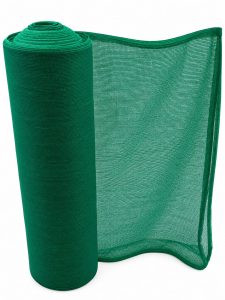
Shade-based greenhouse netting helps reduce excessive solar radiation.
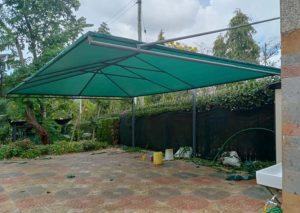
Cougar Nets supplies shade solutions suitable for agricultural applications:
By reducing heat stress, farmers can maintain healthier tomato crops.
3. Protection Against Strong Sunlight
Kenya receives high levels of sunlight throughout the year. While sunlight is essential for photosynthesis, excessive exposure can damage plants.
Greenhouse shade nets help control light intensity by reducing direct solar exposure.
Advantages include:
- Reduced leaf scorching
- Better plant growth
- Improved fruit development
- More consistent production
For farmers requiring stronger shade levels, options such as:
can provide different protection levels depending on crop requirements.
4. Reduced Bird Damage
Birds can damage tomato fruits, especially during ripening.
They may cause:
- Fruit punctures
- Reduced market quality
- Increased waste
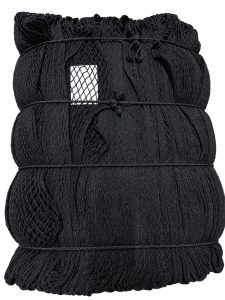
Anti-bird netting provides additional protection for valuable crops.
Cougar Nets offers crop protection solutions such as:
This helps farmers protect harvests and reduce avoidable losses.
5. Improved Tomato Quality
Market buyers often pay more attention to tomato appearance and consistency.
Greenhouse netting helps farmers produce tomatoes with:
- Better appearance
- Fewer pest marks
- Reduced environmental damage
- More uniform growth
Higher quality produce improves competitiveness in local and commercial markets.
6. Increased Crop Yields
The main goal of any farming investment is improved productivity.
By creating better growing conditions, greenhouse netting supports:
- Healthier plants
- Longer production periods
- Reduced crop losses
- Better harvesting results
Farmers can achieve more consistent yields compared to unprotected farming systems.
Types of Greenhouse Netting Used in Kenya
Different tomato farming systems require different types of netting.
Insect Netting
Insect nets are designed with fine mesh openings that prevent small pests from entering greenhouses.
They are especially useful for:
- Tomato greenhouses
- Vegetable production
- Seedling nurseries
Benefits include:
- Pest exclusion
- Improved ventilation
- Reduced disease risk
Shade Nets
Shade nets regulate sunlight and reduce heat intensity.
They are useful during hot seasons or in areas with strong sunlight.
Applications include:
- Greenhouses
- Nurseries
- Open-field crop protection
Anti-Bird Nets
These protect tomatoes from bird damage during fruiting stages.
They are especially valuable for:
- Outdoor tomato structures
- Commercial farms
- High-value crops
Trellis Nets for Tomato Support
Tomato plants require support as they grow.
Trellis nets help improve plant structure and make farm management easier.
Cougar Nets supplies trellis solutions:
Benefits include:
- Better plant organisation
- Easier harvesting
- Improved airflow around plants
- Reduced fruit contact with soil
Comparing Greenhouse Netting Materials
HDPE Netting
High-density polyethylene (HDPE) is one of the most popular agricultural net materials.
Advantages:
- UV resistant
- Durable
- Lightweight
- Weather resistant
- Long lifespan
HDPE nets are suitable for Kenyan farming conditions because they withstand outdoor exposure.
Nylon Netting
Nylon offers flexibility and strength.
Advantages:
- Lightweight
- Flexible
- Strong structure
However, farmers should consider environmental exposure and maintenance requirements before choosing nylon solutions.
How to Choose the Right Greenhouse Netting in Kenya
Consider Your Tomato Farming Location
Different regions experience different conditions.
Farmers should consider:
- Temperature levels
- Wind exposure
- Pest pressure
- Rainfall patterns
Identify the Main Problem You Need to Solve
Different nets provide different benefits.
For example:
- Pest problems → insect nets
- Excess heat → shade nets
- Bird damage → anti-bird nets
- Plant support → trellis nets
Understanding your main challenge helps you choose the right product.
Consider Net Quality
Low-quality nets may fail quickly due to:
- UV damage
- Weather exposure
- Poor manufacturing
Investing in quality netting provides better long-term value.
How to Install Greenhouse Netting for Tomatoes
Step 1: Prepare the Greenhouse Structure
Ensure the greenhouse frame is strong enough to support the netting.
Check:
- Frame stability
- Dimensions
- Attachment points
Step 2: Measure the Required Netting
Accurate measurements prevent:
- Material shortages
- Excess waste
- Poor coverage
Measure walls, openings, and roof sections where necessary.
Step 3: Install the Net Securely
The net should be attached firmly around the structure.
Poor installation can create gaps where pests enter.
Step 4: Inspect All Openings
Pay attention to:
- Doors
- Ventilation areas
- Corners
- Connection points
Small openings can reduce effectiveness.
Maintaining Greenhouse Netting
Regular Cleaning
Remove:
- Dust
- Leaves
- Farm debris
Clean nets maintain airflow and performance.
Inspect for Damage
Check regularly for:
- Tears
- Loose sections
- Weak attachment points
Repair Quickly
Small damage should be repaired before it spreads.
Regular maintenance increases the lifespan of your investment.
Additional Farming Solutions From Cougar Nets
Cougar Nets provides a wide range of agricultural products designed to support modern farming.
Crop Protection Nets
Solutions include:
- Shade nets
- Insect nets
- Anti-bird nets
- Trellis systems
Visit:
Why Choose Cougar Nets for Greenhouse Netting in Kenya?
Cougar Nets is a trusted supplier of agricultural netting solutions for farmers throughout Kenya and East Africa.
The company understands the challenges faced by modern farmers and provides products designed for local conditions.
Benefits include:
- Quality agricultural nets
- Expert guidance
- Durable materials
- Solutions for different farm sizes
- Reliable supply
Farmers can access professional support when selecting the right greenhouse netting system.
Contact Cougar Nets:
The Future of Tomato Farming With Greenhouse Netting
As agriculture becomes more technology-driven, farmers are increasingly adopting protective farming methods.
Greenhouse netting will continue playing an important role because it helps farmers:
- Improve productivity
- Reduce losses
- Manage environmental conditions
- Produce higher-quality tomatoes
For Kenyan tomato farmers, investing in proper crop protection is becoming essential for long-term success.
Conclusion: Improve Tomato Production With Quality Greenhouse Netting
Tomato farming requires careful management of pests, weather conditions, and crop health. Installing quality Greenhouse Netting in Kenya provides farmers with an effective way to protect plants, improve growing conditions, and increase yields.
From insect protection to temperature control and plant support, greenhouse netting provides multiple benefits that help farmers build more productive operations.
Cougar Nets supplies durable agricultural netting solutions designed for Kenyan farmers and businesses across East Africa. With the right products and expert guidance, tomato farmers can achieve better results and protect their investments.
Get Your Premium Netting Solutions Today!
For the best quality netting solutions for farming, construction, home, or any other project, look no further than Cougar Nets. Our team of experts is ready to help you choose the perfect product for your needs.
NATIONWIDE & EAST AFRICA DELIVERY AVAILABLE
✔ Premium quality nets for all applications
✔ Professional installation & expert advice
✔ Bulk orders & custom solutions available
✔ Serving Tanzania, Rwanda, Kenya (Nairobi, Eldoret, Nakuru), Uganda, Ethiopia & beyond.
Contact Us for a Quote:
Cougar Nets
Email: sales@cougarnets.com | info@cougarnets.com
Phone: +254 706 903 465
Visit Us: Darosa Plaza, Karen Rd, Nairobi
Website: https://cougarnets.co.ke/