No products in the cart.

Why Understanding Shade Net vs Insect Net Is Important
Choosing between a shade net vs insect net is one of the most important decisions for greenhouse owners, horticultural farmers, and commercial growers. Although both products are agricultural netting solutions, they serve completely different purposes.
Across Kenya, including Nairobi, Mombasa, Eldoret, and Kisumu, farmers use netting to improve crop quality, protect high-value produce, and increase productivity. However, installing the wrong type of net may expose crops to pests, excessive sunlight, or poor growing conditions.
At Cougar Nets, we supply professional netting solutions for agriculture, construction, livestock, fishing, and home applications. Our team helps farmers choose the correct product based on crop type, local climate, and production goals. You can explore our range of agricultural netting solutions for different farming applications.
What Is the Difference Between Shade Net vs Insect Net?
Shade Net vs Insect Net: Understanding Their Primary Functions
The biggest difference between shade net vs insect net is the problem each product is designed to solve.
A shade net primarily reduces:
- Sunlight intensity
- Heat build-up
- Plant stress
- Water loss through evaporation
An insect net is designed to:
- Block harmful insects
- Reduce pest pressure
- Support integrated pest management
- Protect crop quality
Although both are manufactured from durable synthetic materials, their mesh structure and intended application are completely different.
| Feature | Shade Net | Insect Net |
|---|---|---|
| Main purpose | Reduce sunlight | Prevent insect entry |
| Light transmission | Reduced | Mostly maintained |
| Airflow | High | Moderate depending on mesh |
| Pest protection | Limited | Excellent |
| Typical use | Shade houses | Greenhouses and crop tunnels |
Shade Net vs Insect Net: How Shade Nets Work
Shade Net vs Insect Net for Light Management
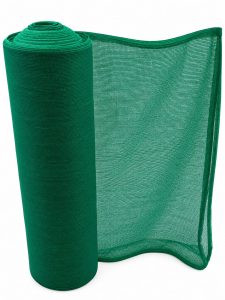
Shade nets are manufactured with different shading percentages, commonly ranging from 30% to 90%.
The correct percentage depends on:
- Crop variety
- Local temperatures
- Growing season
- Desired light levels
Benefits include:
- Lower greenhouse temperatures
- Reduced heat stress
- Improved moisture retention
- Protection against intense UV exposure
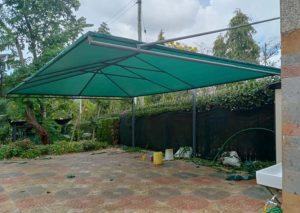
Farmers in hot regions such as Nairobi and Mombasa often use shade nets to create a more stable growing environment.
If you’re selecting a shade solution, you can also read our guide on construction shade nets in Kenya to understand how different shade net specifications perform in demanding outdoor conditions.
Shade Net vs Insect Net: How Insect Nets Protect Crops
Shade Net vs Insect Net for Pest Exclusion
Unlike shade nets, insect nets are designed using fine mesh openings that physically prevent insects from entering growing areas.
These nets help reduce:
- Whiteflies
- Aphids
- Thrips
- Leaf miners
- Other damaging insects
Benefits include:
- Better crop quality
- Lower pest pressure
- Support for integrated pest management
- Reduced dependence on chemical pesticides
Choosing the correct mesh size is essential because different pests require different levels of protection.
Farmers looking for professional crop protection products can browse the complete range in the Cougar Nets online shop.
Shade Net vs Insect Net: Which One Is Best for Greenhouses?
Shade Net vs Insect Net for Greenhouse Farming
Greenhouses often require both products, but they should be installed in different ways.
For example:
- Shade nets are commonly installed above or over greenhouse structures to reduce heat.
- Insect nets are installed on vents, sidewalls, and openings to prevent pest entry while allowing ventilation.
Using only a shade net will not stop insects.
Using only an insect net will not significantly reduce heat or sunlight.
This is why many commercial farms combine both systems to create an efficient growing environment.
Shade Net vs Insect Net: Common Mistakes Farmers Make
Shade Net vs Insect Net Selection Errors
Many growers assume one product can perform both functions.
Common mistakes include:
- Using shade net instead of insect net for pest control
- Installing insect net expecting temperature reduction
- Choosing the wrong shade percentage
- Selecting the wrong mesh size
- Ignoring local climate conditions
The right solution depends on your crop, production system, and farming environment.
For expert advice on selecting the right agricultural netting, visit the Cougar Nets Contact Page and speak with our experienced team.