No products in the cart.

Understanding Shade Net Fixings for Long-Lasting Protection
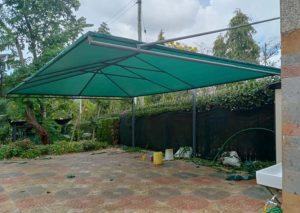
Shade net fixings play a critical role in keeping agricultural, commercial, and domestic shade structures secure throughout changing weather conditions. While many users focus on buying high-quality shade fabric, the fixing system often determines whether the installation performs well over time.
Across Kenya and East Africa, shade nets are widely used in farming, nurseries, livestock areas, construction sites, and outdoor spaces. Farmers in Nairobi, Nakuru, Eldoret, Kisumu, and other agricultural regions depend on shade structures to protect crops from excessive sunlight, heat stress, and harsh weather.
However, even a premium shade net can fail early when the fixing components are weak.
Common fixing failures include:
- Brittle clips damaged by UV exposure
- Weak ropes that stretch or break
- Poor attachment points during strong winds
- Incorrect spacing between fasteners
- Lack of reinforcement around high-stress areas
A complete shade installation requires more than just covering an area with netting. The correct shade net fixings ensure the fabric remains properly tensioned and attached to the supporting frame.
Cougar Nets supplies quality netting solutions for agriculture, construction, home, and industrial applications across Kenya and East Africa. Customers can explore available solutions through the Cougar Nets shop or request professional guidance through the Cougar Nets contact page.
Shade Net Fixings: Why Do Clips and Ropes Fail Before the Net?
The shade fabric is often designed to withstand years of outdoor exposure, but the accessories holding it in place may experience greater stress.
The main reason shade net fixings fail first is that they handle constant movement caused by:
- Wind pressure
- Daily temperature changes
- Net tension
- Repeated vibration
- Outdoor exposure
A shade net acts like a large surface area that catches wind. During storms or strong gusts, the force transfers directly to clips, ropes, and attachment points.
If the fixing system is weak, the stress concentrates on small areas, causing early failure.
Choosing the Best Shade Net Fixings for Agriculture and Construction
The correct fixing accessories depend on the application.
Different installations require different solutions:
| Application | Recommended Fixing Considerations |
|---|---|
| Agricultural shade houses | UV-resistant clips and strong ropes |
| Greenhouses | Secure attachment without damaging mesh |
| Construction shade structures | Heavy-duty fastening systems |
| Home shade areas | Easy installation and weather resistance |
Professional installers consider:
- Net size
- Structure design
- Wind exposure
- Expected lifespan
- Local climate conditions
For example, a farm in an open area of Eldoret may require stronger fastening compared to a sheltered home installation in Nairobi.
Shade Net Fixings: Understanding Clips, Ropes and Washers
A complete shade net installation usually combines several fixing components.
Shade Net Clips
Clips attach the net directly to support structures.
Quality clips should provide:
- Strong grip
- UV resistance
- Weather durability
- Easy installation
Low-quality clips may become brittle after prolonged sun exposure, especially in areas with high UV levels.
Shade Net Ropes
Ropes provide tension and distribute pressure across the structure.
A suitable rope should have:
- High tensile strength
- Resistance to stretching
- Outdoor durability
Weak ropes can loosen over time, causing the shade net to sag or flap excessively.
Shade Net Washers and Reinforcement Accessories
Washers help spread the pressure around fastening points.
They are useful because they:
- Reduce tearing risk
- Strengthen attachment areas
- Improve load distribution
For larger agricultural structures, proper reinforcement becomes even more important.
How Shade Net Fixings Improve Wind Resistance
Wind is one of the biggest challenges affecting shade installations.
A poorly fixed shade net may:
- Tear at attachment points
- Pull away from the frame
- Damage surrounding structures
Strong shade net fixings help distribute wind forces more evenly.
Important installation practices include:
- Using adequate fixing points
- Maintaining correct net tension
- Reinforcing corners
- Checking anchor strength
Coastal areas such as Mombasa require additional attention because humidity and stronger winds can accelerate material wear.
Selecting UV-Resistant Shade Net Fixings in Kenya
Kenya experiences intense sunlight throughout the year, making UV resistance an important factor.
In regions such as:
Nairobi
Fixings must withstand strong daytime sunlight and temperature changes.
Mombasa
Accessories need improved resistance against humidity and coastal conditions.
Rift Valley Farming Areas
Fixings should handle open exposure and strong winds.
UV-resistant materials help prevent:
- Cracking
- Weakening
- Colour deterioration
- Early replacement
Choosing durable shade net fixings helps reduce maintenance costs over the life of the installation.
Shade Net Fixings: Correct Installation Steps for Better Performance
Even high-quality accessories can fail if installed incorrectly.
Step 1: Inspect the Supporting Structure
Before installation, check:
- Poles
- Frames
- Anchors
- Attachment points
The structure must support the expected load.
Step 2: Position the Shade Net Correctly
Avoid excessive stretching because this increases stress on fixing points.
Step 3: Install Fixings at Proper Spacing
Spacing depends on:
- Net size
- Wind exposure
- Structure design
More exposed locations may require stronger attachment methods.
Step 4: Inspect Regularly
Regular checks help identify:
- Loose clips
- Damaged ropes
- Worn sections
Early maintenance prevents larger failures.
Common Shade Net Fixings Mistakes That Reduce Net Lifespan
Many shade net problems are caused by incorrect accessories rather than poor-quality fabric.
Common mistakes include:
Using Indoor-Grade Accessories Outdoors
Indoor materials may degrade quickly under sunlight.
Installing Too Few Fixing Points
Insufficient attachment allows excessive movement.
Choosing Weak Ropes
Low-strength ropes may stretch or break under tension.
Ignoring Local Weather Conditions
A fixing system suitable for a sheltered area may not work in windy locations.
Farmers and businesses should select fixing solutions based on their environment and intended use.
Cougar Nets provides various agricultural and outdoor solutions through the home and garden category for different protection requirements.