No products in the cart.

UV damage at altitude occurs because higher elevation exposes netting materials to stronger ultraviolet radiation, causing polymers to weaken, fade and lose strength faster. In Kenya’s highland regions such as Nyandarua, Meru and Nyeri, selecting UV-resistant nets is essential for longer service life and reliable outdoor performance.
Understanding UV Damage at Altitude in Kenyan Farms
Agricultural nets, shade nets and protective mesh systems are designed to withstand demanding outdoor conditions. However, many farmers discover that nets installed in Kenya’s highland areas deteriorate faster than expected due to increased ultraviolet exposure.
UV damage at altitude is a major factor affecting the lifespan of plastic-based netting materials. As elevation increases, the atmosphere provides less filtering of ultraviolet radiation, exposing polymers to stronger solar energy.
Highland farming regions including Nyandarua, Meru, Nyeri, Nakuru, Kericho and parts of Eldoret experience intense sunlight combined with cooler temperatures. This combination can accelerate the ageing process of agricultural nets, shade nets and other outdoor mesh products.
Common signs of UV-related net degradation include:
- Fading or colour changes
- Brittle fibres
- Reduced flexibility
- Increased tearing
- Loss of tensile strength
- Shorter replacement cycles
For commercial farmers, greenhouse operators and construction professionals, choosing the correct UV grade is not just about product quality. It directly affects operational costs, productivity and long-term performance.
Cougar Nets supplies durable netting solutions for agriculture, construction, home and industrial applications across Kenya and East Africa. With products designed for challenging outdoor environments, Cougar Nets helps customers select netting suitable for different climate conditions.
Farmers looking for reliable protection systems can explore agricultural netting solutions in Kenya for various applications.
UV Damage at Altitude: Why Highland Nets Degrade Faster
UV damage at altitude happens faster because ultraviolet radiation becomes more intense as elevation increases. Netting materials exposed to high-altitude sunlight experience greater polymer breakdown compared with similar products installed closer to sea level.
Many people assume that cooler highland temperatures reduce weather damage. While lower temperatures may slow some processes, stronger solar radiation creates a different challenge.
The main problem is increased UV intensity.
How Altitude Affects UV Exposure
As altitude increases:
- The atmosphere becomes thinner
- Less UV radiation is absorbed
- More ultraviolet energy reaches the surface
- Outdoor plastics receive stronger solar exposure
This affects materials such as:
- Polyethylene nets
- Plastic mesh
- Agricultural fabrics
- Shade cloth
- Protective barriers
A net installed in a highland farm may receive significantly more UV stress over its lifetime compared with the same net installed in a lower-altitude location.
Why Highland Farms in Kenya Experience Faster Net Ageing
Highland areas in Kenya combine strong UV radiation, open landscapes and long outdoor exposure, creating conditions where netting materials require stronger UV stabilisation. Farmers must consider altitude when selecting agricultural and protective nets.
Kenya’s highland farming regions are among the most productive agricultural zones in East Africa.
However, these regions also present unique environmental challenges.
Nyandarua County
Nyandarua is known for:
- Potato farming
- Vegetable production
- Dairy farming
- Greenhouse agriculture
Farmers use nets for:
- Crop protection
- Shade management
- Weather control
Because many farms are located at high elevations, UV exposure can reduce the lifespan of poor-quality netting.
Meru County
Meru’s agricultural sector includes:
- Avocado farming
- Horticulture
- Fruit production
- Small-scale commercial farming
Avocado growers require durable protection systems because replacing large areas of netting can become expensive.
Nyeri and Central Highlands
The region supports:
- Tea farming
- Coffee production
- Fruit farming
- Vegetable cultivation
Long-term outdoor exposure means UV resistance should be a priority when purchasing nets.
How UV Damage at Altitude Affects Netting Materials
UV damage at altitude gradually breaks down polymer chains inside netting materials, reducing flexibility and strength. Without UV stabilisation, nets become brittle and fail earlier than expected.
Most agricultural and protective nets are manufactured from polymers such as polyethylene.
These materials perform well outdoors when properly treated. However, constant UV exposure causes chemical changes within the material.
The UV Breakdown Process
Stage 1: Surface Exposure
Ultraviolet radiation begins affecting the outer fibres of the net.
Early signs include:
- Colour fading
- Reduced shine
- Slight texture changes
Stage 2: Loss of Flexibility
Continued exposure causes the material to become less elastic.
The net may:
- Stretch poorly
- Resist movement
- Become easier to damage
Stage 3: Structural Weakening
Eventually, fibres lose strength.
The result can include:
- Tears
- Breakage
- Reduced load capacity
- Premature replacement
This process is why UV-resistant manufacturing is critical for highland applications.
UV Stabilised Nets vs Ordinary Nets: What Is the Difference?
UV-stabilised nets contain additives that help protect polymers from ultraviolet degradation. Ordinary nets without sufficient UV protection may become brittle and fail faster when exposed to intense highland sunlight.
The difference between the two products is not always visible when new.
A high-quality UV-stabilised net may look similar to a standard net at installation, but performance differs over time.
| Feature | UV-Stabilised Net | Ordinary Net |
|---|---|---|
| UV resistance | Higher protection | Limited protection |
| Outdoor lifespan | Longer | Shorter |
| Flexibility retention | Better | Reduced over time |
| Colour retention | Improved | Faster fading |
| Highland suitability | Recommended | Limited |
For farms exposed to strong sunlight, UV stabilisation should be considered a key buying requirement.
UV Damage at Altitude and Agricultural Shade Nets
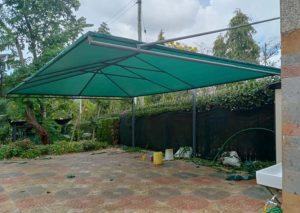
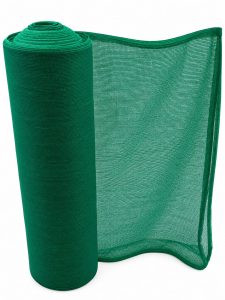
UV damage at altitude is especially important for shade nets because they remain continuously exposed to sunlight while protecting crops. Choosing the correct UV grade helps maintain shade performance and reduces frequent replacement costs.
Shade nets are widely used by farmers to manage:
- Excess sunlight
- Heat stress
- Crop exposure
- Evaporation
However, a damaged shade net may no longer provide the intended protection.
Signs of UV-related shade net failure include:
- Uneven shading
- Weak sections
- Visible holes
- Reduced crop protection
Farmers can combine UV-resistant shade systems with other agricultural solutions. Cougar Nets provides related products including shade nets for agricultural applications for different farming environments.
UV Damage at Altitude vs Coastal Conditions: Understanding Kenya’s Climate Impact on Nets
UV damage at altitude affects nets differently from coastal exposure because highland areas experience stronger ultraviolet radiation, while coastal regions face additional challenges from humidity, salt and moisture. Selecting the correct net specification requires understanding the local environment.
Kenya’s diverse climate means the same net product may perform differently depending on where it is installed.
A farmer in Nyandarua may face intense UV radiation at high elevation, while a farmer in Mombasa may deal more with:
- High humidity
- Salt-laden air
- Heat exposure
- Faster corrosion of supporting structures
Understanding these differences helps customers select the correct netting grade.
Highland vs Coastal Net Performance Comparison
| Factor | Highland Areas (Nyandarua, Meru, Nyeri) | Coastal Areas (Mombasa, Kilifi) |
|---|---|---|
| Main challenge | Strong UV radiation | Humidity and salt exposure |
| Temperature | Cooler but intense sunlight | Hot and humid |
| UV intensity | Higher due to altitude | High due to strong sunlight |
| Main material risk | Polymer breakdown | Moisture-related ageing |
| Recommended focus | UV stabilisation | UV + moisture resistance |
While coastal conditions create their own challenges, UV damage at altitude is often underestimated because cooler temperatures make the environment feel less harsh.
How to Choose the Right UV Grade for Highland Nets
Choosing a UV-resistant net requires checking the polymer quality, UV stabilisation level, intended lifespan and application environment. Highland farms need nets manufactured specifically for prolonged solar exposure.
Not all nets are designed for the same exposure level.
Before purchasing, consider:
- Farm elevation
- Hours of daily sunlight
- Crop protection requirements
- Expected service life
- Replacement costs
Important UV Resistance Factors
1. UV Stabiliser Content
Quality nets contain UV stabilisers that slow polymer degradation.
These additives help:
- Maintain flexibility
- Reduce cracking
- Preserve strength
- Extend outdoor lifespan
2. Polymer Quality
The base material affects durability.
High-quality polyethylene provides:
- Better weather resistance
- Improved tensile strength
- Longer performance
3. Manufacturing Quality
A well-manufactured net has:
- Consistent yarn thickness
- Strong weaving structure
- Reliable colour stability
UV Damage at Altitude and GSM: Does Heavier Mean More UV Resistant?
UV damage at altitude is controlled by material protection, not GSM alone. A heavier net may contain more material, but UV resistance depends mainly on polymer quality and stabilisation technology.
Many buyers assume GSM determines every aspect of net performance.
GSM mainly indicates:
- Material weight
- Density
- Physical thickness
UV protection depends on:
- UV additives
- Polymer formulation
- Manufacturing process
- Exposure conditions
GSM vs UV Resistance
| Specification | What It Controls |
|---|---|
| GSM | Net weight and density |
| UV stabilisation | Resistance to sunlight degradation |
| Mesh design | Airflow and protection level |
| Yarn quality | Strength and durability |
The ideal net combines suitable GSM with effective UV protection.
For example:
- A lightweight UV-stabilised net may outperform a heavier untreated net.
- A high GSM net with poor UV protection may still degrade quickly.
How Long Do Highland Nets Last?
The lifespan of nets exposed to high-altitude conditions depends on UV grade, material quality, installation and maintenance. Properly selected UV-resistant nets provide longer service compared with standard outdoor mesh products.
Expected lifespan varies based on application.
| Application | Main Exposure | Lifespan Factors |
|---|---|---|
| Agricultural shade nets | Constant sunlight | UV grade and maintenance |
| Greenhouse nets | Controlled but continuous exposure | Material quality |
| Construction safety nets | Weather and impact stress | Inspection frequency |
| Garden mesh | Outdoor exposure | UV treatment |
Farmers should avoid choosing nets only by initial price because premature replacement increases total costs.
Preventing UV Damage at Altitude: Maintenance Tips
Although UV damage at altitude cannot be completely eliminated, proper maintenance helps slow deterioration and extend net service life. Regular inspection allows farmers to identify problems before complete failure occurs.
Inspect Nets Regularly
Check for:
- Fading
- Brittle sections
- Loose stitching
- Weak edges
- Tears
Early detection prevents small issues from becoming expensive replacements.
Maintain Proper Installation Tension
Incorrect tension increases stress on fibres.
A loose or poorly supported net may experience:
- Excessive movement
- Wind damage
- Uneven UV exposure
Avoid Unnecessary Chemical Exposure
Some agricultural chemicals may affect plastic materials.
Farmers should follow manufacturer recommendations when applying:
- Sprays
- Fertilisers
- Cleaning agents
UV Damage at Altitude in Greenhouses and Commercial Farming
Commercial farms require UV-resistant netting because production systems depend on reliable protection throughout multiple growing seasons. Net failure can affect crop quality, production schedules and profitability.
High-value farming operations commonly use protective nets for:
- Greenhouses
- Nurseries
- Orchards
- Open-field crops
Examples include:
Avocado Production
Avocado growers require long-lasting protection because trees remain productive for many years.
A damaged net system can expose fruit to:
- Sun damage
- Weather stress
- Quality reduction
Flower Production
Flower farms require consistent environmental control.
Protective nets help manage:
- Light intensity
- Weather exposure
- Crop protection
Vegetable Farming
Vegetable growers benefit from nets that maintain:
- Suitable growing conditions
- Crop protection
- Reduced environmental stress
Farmers can explore agricultural netting solutions in Kenya for professional farming applications.
UV Damage at Altitude: Common Buying Mistakes
Many farmers experience premature net failure because they choose products without considering UV exposure, altitude and intended use. Understanding common mistakes helps buyers select better solutions.
Mistake 1: Buying the Cheapest Net
Low-cost nets may have:
- Limited UV treatment
- Lower-quality polymers
- Shorter service life
The replacement cost may exceed the original savings.
Mistake 2: Ignoring Farm Location
A net suitable for a low-altitude area may not perform well in highland conditions.
Farmers should consider:
- Elevation
- Sun intensity
- Weather patterns
Mistake 3: Choosing the Wrong Application
Different nets serve different purposes.
Examples:
- Shade nets are not replacements for safety nets.
- Garden mesh is not designed for commercial crop protection.
- Ordinary netting may not withstand industrial conditions.
Cougar Nets supplies solutions across different sectors, including poultry farming netting solutions for specialised agricultural needs.
Why UV-Resistant Netting Is a Long-Term Investment
Investing in UV-resistant nets reduces replacement frequency and improves reliability in demanding environments. For highland farmers, the correct net grade protects productivity and reduces unexpected costs.
A quality net provides value through:
- Longer operational life
- Reduced maintenance
- Better crop protection
- Improved farm efficiency
For livestock and farm enclosure applications, customers can also consider PVC coated rabbit nets in Kenya for durable outdoor solutions.
UV-Resistant Net Selection Checklist for Highland Farms in Kenya
Selecting a UV-resistant net for highland conditions requires evaluating altitude, sunlight exposure, material quality and intended application. The correct specification helps prevent premature failure caused by UV damage at altitude and improves the return on investment.
Before purchasing any outdoor netting system, farmers, contractors and project managers should review the following factors:
1. Identify the Operating Environment
The location of installation determines the level of UV exposure.
Consider:
- Farm altitude
- Daily sunlight hours
- Rainfall patterns
- Wind exposure
- Temperature variations
Highland regions such as:
- Nyandarua
- Meru
- Nyeri
- Nakuru
- Kericho
require stronger UV protection because nets are exposed to intense solar radiation over long periods.
2. Confirm UV Stabilisation
A quality outdoor net should include UV stabilisers designed to slow polymer breakdown.
Ask suppliers about:
- UV treatment level
- Expected outdoor lifespan
- Suitable applications
- Environmental limitations
3. Check Material Construction
The material affects how the net performs over time.
Important factors include:
- Yarn thickness
- Weaving consistency
- Tensile strength
- Flexibility retention
A net that becomes brittle quickly may fail during wind or mechanical stress.
4. Match the Net to the Application
Different industries require different specifications.
Examples:
Agriculture
Requires:
- UV resistance
- Crop-friendly mesh
- Long outdoor exposure capability
Construction
Requires:
- Strength
- Safety performance
- Reliable weather resistance
Home and Garden
Requires:
- Weather durability
- Ease of handling
- Suitable protection level
Cougar Nets provides different netting solutions depending on application requirements, including fishing and aquaculture equipment in Kenya for specialised marine and farming needs.
UV Damage at Altitude: Construction and Industrial Net Applications
UV damage at altitude affects more than agricultural nets. Construction and industrial netting installed in elevated areas also requires UV-resistant materials to maintain strength and safety performance over time.
Construction sites in Kenya often operate under direct sunlight for months or years.
Applications include:
- Construction safety barriers
- Dust control nets
- Privacy screening
- Protective mesh systems
High-rise projects in Nairobi, for example, expose netting materials to:
- Strong sunlight
- Wind pressure
- Continuous outdoor conditions
A net that loses strength due to UV degradation may no longer perform as intended.
Factors Affecting Construction Net Lifespan
| Factor | Impact on Net |
|---|---|
| UV exposure | Reduces polymer strength |
| Wind movement | Increases mechanical stress |
| Installation quality | Affects durability |
| Maintenance | Extends useful life |
Regular inspection is essential for professional construction applications.
UV Testing and Durability Factors for Outdoor Nets
Manufacturers evaluate UV damage at altitude resistance through controlled testing that measures how materials respond to prolonged sunlight exposure. Understanding durability factors helps buyers select nets suitable for demanding environments.
Important performance indicators include:
Tensile Strength Retention
A quality net should maintain strength after long-term UV exposure.
Loss of tensile strength can cause:
- Tearing
- Stretching
- Reduced protection
Colour Stability
Colour changes can indicate material ageing.
Although fading does not always mean immediate failure, rapid colour loss may suggest reduced UV protection.
Flexibility Retention
A durable net should remain flexible rather than becoming:
- Hard
- Brittle
- Cracked
Weather Resistance
Outdoor nets face multiple stresses:
- Sunlight
- Rain
- Wind
- Temperature changes
The best products are designed for combined environmental exposure.
UV Damage at Altitude: How Highland Farmers Can Reduce Replacement Costs
Managing UV damage at altitude requires selecting the correct net grade, maintaining the installation properly and replacing damaged sections early. These steps reduce long-term farming costs.
Farmers can improve net lifespan by:
Buying Quality Instead of Cheapest Options
A low-cost net may require frequent replacement.
A stronger UV-resistant net provides:
- Better reliability
- Lower maintenance costs
- Reduced downtime
Planning Installation Properly
Correct installation reduces unnecessary stress.
Important considerations:
- Proper support spacing
- Correct tension
- Secure fixing points
Scheduling Regular Inspections
Farmers should inspect nets:
- Before rainy seasons
- After storms
- During routine farm maintenance
Early repairs are usually cheaper than complete replacement.
People Also Ask: UV Damage at Altitude Questions
Why does UV damage at altitude happen faster at high altitude?
UV damage happens faster at high altitude because the atmosphere filters less ultraviolet radiation. More UV energy reaches outdoor materials, causing faster degradation of polymers used in nets and plastics.
Are highland farms in Kenya more affected by UV damage at altitude?
Yes. Highland areas such as Nyandarua, Meru and Nyeri experience strong solar radiation due to elevation. Farmers should select UV-resistant agricultural nets designed for prolonged outdoor exposure.
Does cold weather protect nets from UV damage?
No. Cooler temperatures do not prevent UV degradation. Highland areas can have lower temperatures while still experiencing intense ultraviolet exposure.
How can I know if my net has UV protection?
Check the product specifications or consult the supplier. Quality UV-resistant nets are manufactured with stabilising additives designed to improve outdoor lifespan.
Do heavier nets resist UV damage at altitude better?
Not necessarily. GSM affects material weight, but UV resistance depends mainly on polymer quality and UV stabilisation technology.
Can UV damage at altitude be repaired?
Small damaged areas may be repaired, but severely weakened nets should be replaced because the material strength may already be compromised.
Get Your Premium Netting Solutions Today!
Get Your Premium Netting Solutions Today! For the best quality netting solutions for farming, construction, home, or any other project, look no further than Cougar Nets. Our team of experts is ready to help you choose the perfect product for your needs.
NATIONWIDE & EAST AFRICA DELIVERY AVAILABLE ✔ Premium quality nets for all applications ✔ Professional installation and expert advice ✔ Bulk orders and custom solutions available ✔ Serving Kenya (Nairobi, Eldoret, Kisumu), Uganda, Tanzania, Rwanda, South Sudan, Ethiopia and beyond.
Contact Us for a Quote:
Cougar Nets
Email: sales@cougarnets.com | info@cougarnets.com
Phone: +254 706 903 465
Visit Us: Darosa Plaza, Karen Rd, Nairobi
Website: https://cougarnets.co.ke/