No products in the cart.
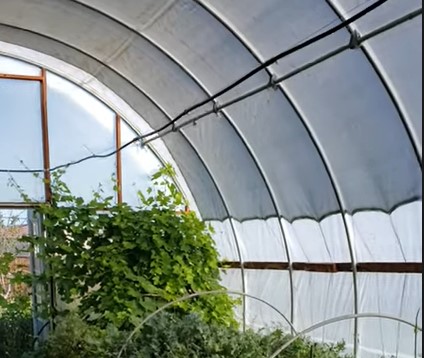
In modern agriculture, the success of a farm often begins long before transplanting. It begins in the nursery. Whether you are growing vegetables, fruit trees, ornamental flowers, or commercial crops, the early seedling stage determines yield potential, plant strength, and long-term productivity.
Across Kenya and East Africa, farmers are increasingly investing in nursery shade cloth systems to protect young plants from excessive sunlight, wind stress, heavy rainfall, and pest attacks. Among all shading options available, 50% light shade netting has emerged as the most balanced and effective solution for plant nurseries.
Understanding the role of seedling protection nets is essential for any farmer aiming to reduce losses, improve germination rates, and achieve uniform plant growth. While some farmers opt for cheaper, low-quality nets, the long-term consequences often include weak seedlings, inconsistent growth, and higher replacement costs.
At Cougar Nets, we specialize in high-performance agricultural shading solutions designed for Kenyan climatic conditions. This article explores why 50% shade nets are ideal for nurseries, how they compare with other shading levels, and how they contribute to farming cost reduction and improved crop performance.
Understanding Nursery Shade Cloth and Its Role in Agriculture
Nursery shade cloth refers to specially designed netting materials used to regulate sunlight exposure in plant nurseries. These nets are typically made from UV-stabilized HDPE material and are available in different shading percentages ranging from 30% to 90%.
The primary purpose of nursery shade cloth is to create a controlled microclimate that supports:
- Healthy germination
- Strong root development
- Reduced water loss
- Protection from harsh sunlight
- Reduced transplant shock
In Kenya, where solar radiation levels are high throughout the year, light shade netting plays a crucial role in protecting vulnerable seedlings from heat stress.
You can explore professional-grade nursery solutions here:
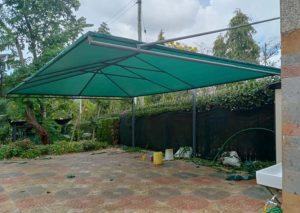
shade-nets
Why 50% Light Shade Netting Is the Ideal Balance
Among all shading levels, 50% light shade netting provides the most balanced environment for most plant nurseries in Kenya.
It allows:
- Sufficient sunlight for photosynthesis
- Protection from excessive heat
- Reduced evaporation rates
- Stable humidity levels
Unlike heavier shade nets (70%–90%), which can block too much light, or lighter nets (30%), which may not provide enough protection, 50% shade nets strike the perfect equilibrium.
Key Advantages of 50% Shade Level:
- Ideal for vegetable seedlings
- Suitable for tree nurseries
- Supports flower propagation
- Prevents scorching while maintaining growth energy
This balance is particularly important in regions with intense sunlight exposure, such as Nairobi, Eldoret, Nakuru, and coastal Kenya.
How Seedling Protection Nets Improve Germination and Growth
Seedling protection nets are not just physical barriers; they actively improve plant physiology by controlling environmental stress factors.
1. Temperature Regulation
Excessive heat can damage tender seedlings. Light shade netting reduces ambient temperature, preventing heat stress.
2. Moisture Retention
By reducing direct sunlight, nursery shade cloth minimizes evaporation, ensuring consistent soil moisture.
3. Wind Protection
Strong winds can break stems or dry out seedlings. Shade structures act as windbreakers.
4. Pest Reduction
While not a full pest barrier, shaded nurseries reduce exposure to certain flying insects and environmental stressors.
For enhanced protection, farmers often combine shade nets with:
insect-net-40-mesh-5m-by-100m
Comparing Shade Levels: 30%, 50%, and 70% Nets
Understanding shading percentages is critical when selecting the right nursery shade cloth.
30% Shade Nets
- Allow high sunlight penetration
- Suitable for hardy crops
- Risk of overheating in hot regions
50% Shade Nets (Recommended)
- Balanced light diffusion
- Ideal for most nursery crops
- Best for general seedling development
70% Shade Nets
- High protection from heat
- Suitable for shade-loving plants
- Risk of slow growth due to reduced light
For most Kenyan farmers, 50% light shade netting offers the most practical and cost-effective solution for nursery management.
Applications of Nursery Shade Cloth in Kenya
Vegetable Seedling Nurseries
Crops such as tomatoes, kale, onions, and capsicum require controlled early growth environments.
Fruit Tree Nurseries
Avocado, mango, citrus, and passion fruit seedlings benefit significantly from shade protection.
Floriculture and Ornamentals
Flowers require delicate environmental balance, making shade nets essential.
Forestry Seedlings
Tree planting programs across Kenya rely on protected nurseries for survival rates.
Material Quality: Why HDPE Matters in Seedling Protection Nets
Not all nursery shade cloth is created equal. The material composition significantly affects durability and performance.
High-quality seedling protection nets are made from UV-stabilized HDPE, which offers:
- Long lifespan (5–8 years)
- Resistance to UV degradation
- Strong tensile strength
- Weather resistance
Low-quality alternatives often degrade quickly, leading to tearing, fading, and reduced shading efficiency within a short time.
You can explore heavy-duty options such as:
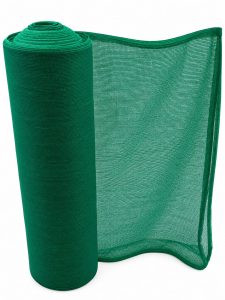
shade-net-80-320gsm
Cost vs Value: Why Cheap Shade Nets Increase Long-Term Costs
While cheap nursery shade cloth may seem attractive due to low initial pricing, it often results in higher long-term costs.
Hidden Costs of Cheap Nets:
- Frequent replacement
- Poor seedling survival rates
- Increased irrigation demand
- Uneven crop growth
Benefits of Premium Nets:
- Long-term durability
- Stable nursery conditions
- Reduced operational costs
- Higher transplant success rates
This directly supports farming cost reduction by minimizing losses and improving efficiency.
Designing an Efficient Nursery Using Light Shade Netting
A properly designed nursery system enhances the performance of seedling protection nets.
Key Design Considerations:
1. Structure Orientation
Positioning the nursery to maximize airflow improves cooling efficiency.
2. Frame Strength
Strong support structures ensure the shade net remains tensioned and effective.
3. Watering System Integration
Drip irrigation systems work well with shade-covered nurseries.
4. Ground Preparation
Proper soil drainage prevents root diseases and waterlogging.
For structural support in farming setups, many farmers also use:
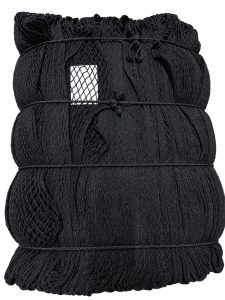
braided-rope-10mm
Climate Challenges in Kenya and the Need for Shade Nets
Kenya’s diverse climate presents several challenges for nursery farming:
- Intense solar radiation
- Irregular rainfall patterns
- High evaporation rates
- Wind stress in open areas
50% light shade netting helps mitigate these challenges by creating a stable microclimate that supports healthy seedling development throughout the year.
Real Agricultural Benefits of Nursery Shade Cloth
1. Higher Germination Rates
Seeds germinate more consistently under controlled shading.
2. Stronger Root Systems
Reduced stress allows plants to develop stronger roots.
3. Improved Transplant Survival
Seedlings adapt better when moved to open fields.
4. Uniform Growth Patterns
Consistent shading ensures even crop development.
5. Reduced Water Usage
Shade reduces evaporation, lowering irrigation requirements.
Integrating Shade Nets with Other Farming Systems
Modern farming often combines multiple netting solutions for optimal performance.
For example:
- Poultry integration systems:
poultry-mesh-400g - Crop support systems:
trellis-net-kenya - General farm protection:
anti-bird-net-30-m-x-10m
These integrations improve overall farm efficiency and productivity.
Maintenance of Nursery Shade Cloth Systems
Proper maintenance extends the lifespan of seedling protection nets.
Best Practices:
- Regular cleaning to remove dust buildup
- Checking for tears or sagging
- Ensuring proper tensioning
- Avoiding contact with sharp edges
- Seasonal inspection before peak farming periods
Well-maintained nets can last significantly longer and maintain consistent shading performance.
Why Farmers in Kenya Prefer 50% Shade Nets
Across Kenya, farmers consistently prefer 50% light shade netting because it:
- Works across multiple crop types
- Handles diverse climate conditions
- Balances cost and performance
- Reduces nursery failure rates
This makes it the most commercially viable option for both small-scale and large-scale farmers.
The Cougar Nets Advantage in Nursery Protection
As a trusted supplier in Kenya’s agricultural sector, Cougar Nets provides durable, UV-stabilized, and professionally engineered shading solutions designed for local farming conditions.
Explore our solutions:
cougarnets
shade-nets
shade-net-80-320gsm
insect-net-40-mesh-5m-by-100m
poultry-mesh-400g
Our products are designed to improve productivity while reducing long-term farming costs through durability and performance reliability.
Conclusion: A Small Investment That Determines Farm Success
Nursery success is not accidental—it is engineered. Choosing the right nursery shade cloth is one of the most important decisions a farmer can make.
50% light shade netting provides the ideal balance between protection and productivity, ensuring seedlings develop in optimal conditions before transplanting.
While cheaper alternatives may reduce initial costs, they often compromise plant health and increase long-term expenses. Investing in high-quality seedling protection nets is ultimately a decision that improves yield, reduces risk, and strengthens overall farm profitability.