No products in the cart.
How Shade Nets and Protective Mesh Improve Productivity in Hot Climates
Farming in hot climates presents unique and persistent challenges. Across Kenya and much of East Africa, high temperatures, intense sunlight, erratic rainfall, and pest pressure combine to reduce crop yields and increase production costs. For farmers operating in these conditions, productivity is not just about planting more — it is about protecting what is already growing.
This is where shade nets and protective mesh have become essential tools. Modern agricultural netting solutions are transforming how farmers manage heat, sunlight, pests, and livestock safety. Rather than fighting the environment, farmers are learning to control it — creating stable, productive growing conditions even in extreme heat.
This article explores how shade nets and protective mesh improve productivity in hot climates, with a focus on real applications in Kenya, material choices, installation strategies, and long-term benefits for farmers.
The Challenge of Farming in Hot Climates
Hot climates accelerate plant stress. When temperatures rise beyond optimal ranges, crops suffer from:
-
Reduced photosynthesis
-
Increased water loss through evaporation
-
Wilting and sunburn
-
Poor fruit set and flower drop
-
Increased pest and insect activity
For livestock and poultry, excessive heat leads to:
-
Reduced feed intake
-
Slower growth rates
-
Higher mortality
-
Increased disease risk
Traditional farming methods offer limited protection against these conditions. Shade nets and protective mesh provide passive, continuous protection, making them ideal for hot-climate agriculture.
Shade Nets: Managing Heat, Light, and Water Loss
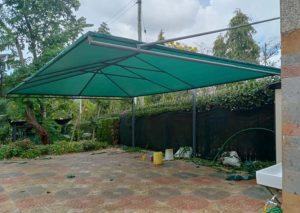
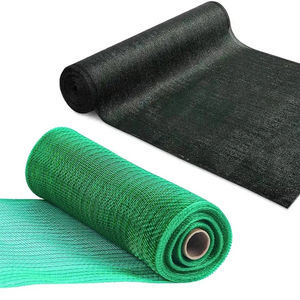
Shade nets are specially engineered fabrics designed to reduce solar radiation while maintaining airflow. They are one of the most effective tools for climate control in open-field farming, greenhouses, and nurseries.
How Shade Nets Work
Shade nets reduce:
-
Direct sunlight intensity
-
Soil surface temperature
-
Plant transpiration rates
At the same time, they:
-
Allow air circulation
-
Maintain adequate light for photosynthesis
-
Create uniform growing conditions
This balance is critical for crops grown in hot regions.
Farmers can explore different shade net options at:
Choosing the Right Shade Percentage
Different crops require different levels of shade. Using the wrong shade density can limit growth instead of improving it.
General guidelines include:
-
30–40% shade: Tomatoes, peppers, cucumbers
-
50–60% shade: Leafy vegetables, herbs
-
70–80% shade: Seedlings, nurseries, ornamentals
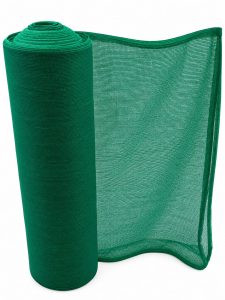
High-quality options such as the 80% GSM shade net provide excellent protection for heat-sensitive crops:
Proper selection ensures crops receive enough light without suffering heat stress.
Water Efficiency Gains Under Shade Nets
Water is one of the most limiting resources in hot climates. Shade nets significantly improve water efficiency by reducing evaporation.
Benefits include:
-
Lower irrigation frequency
-
Improved soil moisture retention
-
Reduced water pumping costs
-
More uniform crop growth
In areas facing water scarcity or high fuel costs, this alone can justify the investment in shade net systems.
Protective Mesh: Defending Crops from Pests and Damage
While shade nets manage climate stress, protective mesh addresses biological threats — birds, insects, and animals that thrive in hot environments.
Anti-Bird Nets: Preventing Crop Loss
Bird activity increases in hot climates as food sources become scarce. Crops such as fruits, grains, and vegetables are especially vulnerable.
Anti-bird nets create a physical barrier that:
-
Prevents bird access
-
Eliminates daily crop losses
-
Reduces labor spent on deterrents
Effective solutions include:
Unlike scare tactics, nets provide continuous protection without harming wildlife.
Insect Nets: Reducing Chemical Dependency
Hot climates favor rapid insect reproduction. Pests spread quickly, damage crops, and transmit disease.
Insect nets block pests physically while allowing airflow and light:
Key productivity benefits:
-
Fewer pesticide applications
-
Healthier working conditions
-
Higher-quality produce
-
Improved market acceptance
For organic and export-oriented farmers, insect mesh is a critical productivity tool.
Livestock and Poultry Protection in Hot Environments
Heat stress affects animals as much as crops. Proper airflow and protection are essential.
Poultry Mesh for Ventilated Housing
Poultry mesh allows airflow while keeping predators out. In hot climates, this balance is essential for bird health.
Reliable poultry mesh options include:
Benefits:
-
Improved ventilation
-
Reduced heat buildup
-
Lower mortality rates
Rabbit and Small Livestock Mesh
PVC-coated rabbit mesh resists corrosion and heat-related degradation:
Durable enclosures improve safety and reduce losses.
Trellis Nets: Increasing Yield Without Expanding Land
Vertical farming is especially valuable in hot climates where land and water are limited.
Trellis nets:
-
Lift crops off hot soil
-
Improve airflow around plants
-
Reduce disease pressure
-
Make harvesting faster
Recommended trellis nets:
Higher yields per square meter directly translate into improved productivity.
Aquaculture Protection in High-Temperature Zones
Warm water environments increase fish metabolism but also reduce oxygen levels and attract predators.
Fish Pond Cover Nets
Pond cover nets protect fish from birds and debris while allowing light penetration:
Fish Cage Net Materials
Durable net materials maintain cage integrity in warm, algae-rich waters:
Combined with aeration tools, these nets significantly improve survival rates.
Material Quality Matters in Hot Climates
Not all nets perform well under extreme heat. Quality materials are essential.
Key features to look for:
-
UV stabilization
-
High GSM ratings
-
Heat-resistant polymers
-
Reinforced edges
Low-quality nets degrade quickly, becoming brittle and ineffective. Premium netting solutions provide years of reliable service, delivering better long-term value.
Installation and Maintenance for Maximum Productivity
Proper installation ensures nets perform as intended.
Best practices include:
-
Tensioning nets evenly
-
Anchoring securely against wind
-
Inspecting regularly for damage
-
Cleaning dust and debris periodically
Professional guidance ensures optimal performance, especially for large installations.
Why Farmers in Hot Climates Trust Cougar Nets
Cougar Nets supplies purpose-built netting solutions designed specifically for East African conditions.
Advantages include:
-
UV-stabilized, high-durability materials
-
Wide product range for crops, livestock, and aquaculture
-
Expert advice and professional installation
-
Nationwide and regional delivery
Explore solutions at https://cougarnets.co.ke/ or consult specialists via https://cougarnets.co.ke/contact-us/.
Conclusion
Shade nets and protective mesh are no longer optional in hot-climate farming — they are essential productivity tools. By managing heat, conserving water, reducing pest damage, and protecting livestock, these solutions enable farmers to achieve consistent yields even under extreme conditions.
In Kenya’s diverse climate zones, farmers who invest in quality netting systems gain a competitive advantage: healthier crops, safer farms, and higher returns with fewer inputs.
Get Your Premium Netting Solutions Today!
For the best quality netting solutions for farming, construction, home, or any other project, look no further than Cougar Nets. Our team of experts is ready to help you choose the perfect product for your needs.
NATIONWIDE & EAST AFRICA DELIVERY AVAILABLE
Premium quality nets for all applications
Professional installation & expert advice
Bulk orders & custom solutions available✔ Serving Kenya (Nairobi, Mombasa, Kisumu), Uganda, Tanzania, Rwanda & beyond.
Contact Us for a Quote:
Cougar Nets
Email: sales@cougarnets.com | info@cougarnets.com
Phone: +254 706 903 465
Visit Us: Darosa Plaza, Karen Rd, Nairobi
Website: https://cougarnets.co.ke/