No products in the cart.
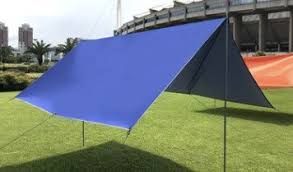
How to Install Tarpaulin in Kenya: DIY Outdoor Cover Guide 2026
Meta Title: How to Install Tarpaulin Kenya: Outdoor Cover Tips & Guide
Meta Description: Learn how to install tarpaulin Kenya for gardens, construction, vehicles, or events. Step-by-step DIY installation tips, maintenance, and durable outdoor covers.
Main Keyword: install tarpaulin Kenya
Secondary Keywords: outdoor covers Kenya, rain protection covers Kenya, waterproof tarps Kenya, DIY tarpaulin installation Kenya, tarpaulin maintenance Kenya, heavy-duty tarps Kenya
Introduction: Why Learning to Install Tarpaulin Kenya Matters
Installing tarpaulins correctly is essential for protecting outdoor spaces, equipment, or materials from heavy rains. Whether you want to cover a trampoline, shield construction materials, or safeguard your garden, knowing how to install tarpaulin Kenya ensures durability, safety, and effective rain protection.
A poorly installed tarp can flap in the wind, tear easily, or allow water to seep through. By following proper installation techniques, you maximize the lifespan of your tarpaulin while protecting your belongings from Kenya’s rainy seasons in Nairobi, Mombasa, and Kisumu.
Internal Link: Learn more about rain protection covers Kenya for homes and businesses.
Why Proper Tarpaulin Installation Matters
Correct tarpaulin installation does more than prevent water leaks. Properly secured tarps can:
-
Prevent soil erosion and damage to outdoor surfaces.
-
Protect stored materials like timber, cement, or machinery from moisture.
-
Reduce maintenance costs by extending the lifespan of covered items.
Investing time in proper installation ensures your outdoor covers Kenya perform efficiently and last longer.
Choosing the Right Tarpaulin for Your Project
Selecting the right tarp is crucial. Consider these options for effective coverage:
-
Heavy-duty waterproof tarps: Ideal for long-term use and heavy rainfall. Durable and tear-resistant, perfect for construction sites or long-term storage.
-
Medium-duty tarps: Suitable for temporary setups, trampoline covers, or backyard gardens.
-
UV-resistant tarps: Protects against sun damage while offering rain protection, especially in high-sun regions of Kenya.
Internal Link: Read our waterproof tarps Kenya guide to choose the best type for your project.
Common Uses of Tarpaulins in Kenya
Tarpaulins are versatile tools across various industries and home projects in Kenya. Popular applications include:
-
Home and garden protection: Shield plants, outdoor furniture, or garden beds from rain and sun.
-
Construction sites: Cover cement, timber, and machinery to prevent weather damage.
-
Event coverage: Temporary shelters for outdoor events, markets, or festivals.
-
Vehicle and equipment covers: Protect motorbikes, cars, or machinery from rain, dust, and UV exposure.
By understanding your use case, you can select the right tarp size, material, and thickness for optimal results.
Internal Link: Explore our outdoor covers Kenya collection for all-purpose protection.
Tips for Effective Outdoor Covers in Kenya
To ensure durability and protection, follow these tips when installing tarps:
-
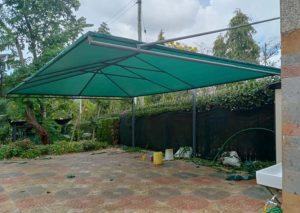
Secure anchor points: Use trees, poles, fences, or frames to keep the tarp tight.
-
Ensure proper tension: A taut tarp prevents sagging and water pooling, reducing the risk of leaks or tears.
-
Slope for water runoff: Install tarps at a slight angle to ensure rainwater drains off easily.
-
Reinforce edges: Strengthen grommets with ropes, bungee cords, or clamps to prevent ripping in high winds.
-
Regular checks: Inspect tarps periodically for wear, loose ties, or damage.
Internal Link: Check our DIY tarpaulin installation Kenya tips for step-by-step setup guidance.
Maintaining Your Tarpaulin
Proper maintenance extends the life and effectiveness of tarpaulins. Consider these practices:
-
Cleaning: Remove dirt, debris, and leaves to prevent mold or deterioration.
-
Drying: Always dry tarps fully before storage to avoid mildew.
-
Storage: Fold neatly and store in a cool, dry place away from sunlight.
-
Repairs: Patch small holes or tears promptly to prevent further damage.
A well-maintained tarp continues to provide reliable protection for years.
Internal Link: Learn more in our tarpaulin maintenance Kenya guide.
DIY Tarpaulin Installation: Benefits for Kenyan Homes and Businesses
Installing tarpaulins yourself offers flexibility and cost savings:
-
Save on labor costs: No need to hire professionals.
-
Adjust or relocate easily: Adapt coverage for seasonal or project changes.
-
Customizable coverage: Perfect for large construction sites or small backyard gardens.
Many DIY enthusiasts in Nairobi, Mombasa, and Kisumu successfully use heavy-duty tarps for both residential and small commercial projects, showing that self-installation is practical and effective.
Practical Applications: Tarpaulin Use Across Kenya
Home & Garden: Protect outdoor furniture, plants, and garden beds.
Construction: Cover timber, cement, machinery, and roofing materials.
Events & Markets: Temporary shelters for outdoor gatherings, stalls, or festivals.
Vehicles & Equipment: Motorbike and car covers, machinery protection.
Correct installation and maintenance ensure maximum rain protection covers Kenya effectiveness while prolonging tarp life.
Conclusion: Mastering Tarpaulin Installation in Kenya
Installing tarpaulins in Kenya is simple when you select the right tarp, secure it properly, and maintain it. From trampolines and gardens to construction materials and event shelters, following these best practices ensures strong, durable, and effective rain protection.
Investing time in proper DIY tarpaulin installation Kenya pays off with long-lasting protection, reduced damage, and more efficient outdoor space use. With the right tarp and setup, you can confidently weather Kenya’s rainy seasons while keeping your projects, materials, and belongings safe.
Internal Links Recap:
Get Your Premium Netting Solutions Today!
For the best quality netting solutions for farming, construction, home, or any other project, look no further than Cougar Nets. Our team of experts is ready to help you choose the perfect product for your needs.
NATIONWIDE & EAST AFRICA DELIVERY AVAILABLE
- Premium quality nets for all applications
- Professional installation and expert advice
- Bulk orders and custom solutions available
- Serving South Sudan, Ethiopia, Rwanda and beyond.
Contact Us for a Quote:
Cougar Nets
Email: sales@mft.co.ke | info@cougarnets.co.ke
Phone: +254 706 903 465
Visit Us: Darosa Plaza, Karen Rd, Nairobi
Website: https://cougarnets.co.ke/