No products in the cart.

Small-scale livestock farming in Kenya has grown rapidly, with farmers increasingly seeking effective, durable, and safe housing solutions for their animals. Proper housing is not just about protecting livestock from the elements—it also ensures better health, higher productivity, and easier farm management.
Choosing the right animal housing materials Kenya is essential for building shelters that are strong, weather-resistant, and cost-effective. From poultry and goats to pigs and rabbits, each type of livestock requires specific materials to optimize safety, ventilation, and durability.
This guide will explore the best materials, practical construction tips, installation advice, maintenance strategies, compliance requirements, and real-life farm examples.
Why Proper Animal Housing Matters
Livestock without proper housing face numerous challenges:
-
Exposure to Weather: Sun, rain, and wind can cause stress, disease, or mortality.
-
Predators and Theft: Unprotected animals are vulnerable to dogs, hyenas, and human theft.
-
Disease Prevention: Crowded or poorly ventilated shelters promote the spread of illness.
-
Operational Efficiency: Proper housing simplifies feeding, cleaning, and breeding management.
Investing in quality animal housing materials Kenya ensures livestock welfare, reduces losses, and maximizes farm productivity.
Types of Animal Housing Materials
Selecting the right materials depends on the livestock species, farm size, climate, and budget. Here are the most common and effective materials:
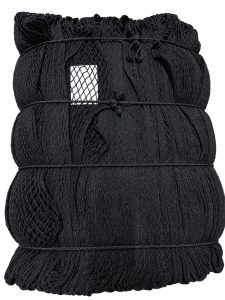
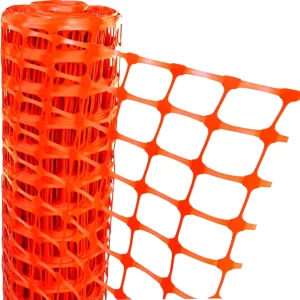
1. Wire Mesh and Netting
Wire mesh and netting are versatile and cost-effective for poultry, rabbits, and small livestock.
Applications:
-
Chicken coops
-
Rabbit hutches
-
Pig pens
Benefits:
-
Protects against predators and birds
-
Provides ventilation while containing animals
-
Easy to install and repair
Case Study:
In Kiambu, a poultry farmer used reinforced animal housing materials Kenya, including UV-stabilized netting and wire mesh. The setup reduced bird escape by 95% and prevented predator attacks, improving egg production significantly.
2. Wood and Timber
Wood is commonly used for structural framing in small farm housing.
Applications:
-
Goat pens
-
Chicken coops
-
Pig shelters
Benefits:
-
Durable when treated against termites and moisture
-
Easy to customize according to livestock size
-
Affordable and locally available
Installation Tip:
Use treated timber with metal brackets or screws for added stability. Avoid untreated wood in humid areas to prevent rot.
Case Study:
A goat farm in Meru constructed elevated pens using treated timber. Combining timber with mesh walls, the farm experienced fewer disease outbreaks and easier waste management.
3. Corrugated Iron Sheets
Corrugated iron sheets are excellent for roofing livestock shelters, protecting animals from rain and sun.
Applications:
-
Chicken coops
-
Goat and sheep shelters
-
Pig pens
Benefits:
-
Durable and weather-resistant
-
Affordable and widely available in Kenya
-
Easy to assemble on wooden or metal frames
Installation Tip:
Ensure adequate ventilation when using iron sheets to prevent heat stress, especially in chicken coops and goat pens.
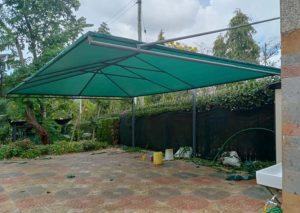
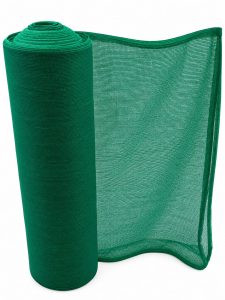
4. Shade Cloths and Nets
Shade cloths are lightweight materials used for ventilation, sun protection, and wildlife prevention.
Applications:
-
Poultry run covers
-
Goat and rabbit outdoor pens
-
Nursery or feeding areas
Benefits:
-
UV-stabilized for long-lasting performance
-
Reduces heat stress and improves animal comfort
-
Can double as wildlife or bird protection
Case Study:
On a small-scale rabbit farm in Nairobi, animal housing materials Kenya included shade nets over outdoor runs. Rabbits were protected from direct sun and aerial predators, resulting in healthier, faster-growing livestock.
5. Plastic and Polycarbonate Sheets
Plastic or polycarbonate sheets are ideal for small-scale livestock greenhouses or shelters.
Applications:
-
Piglet nurseries
-
Hatcheries for poultry
-
Quarantine areas for sick animals
Benefits:
-
Transparent or semi-transparent for light penetration
-
Durable and easy to clean
-
Lightweight and portable
6. Concrete and Bricks
Concrete blocks and bricks provide permanent structures for larger farms or high-value livestock.
Applications:
-
Dairy cow barns
-
Sheep shelters
-
Storage for feed and equipment
Benefits:
-
Long-lasting and strong
-
Resistant to pests and predators
-
Easy to clean and disinfect
Installation Tip:
Ensure proper flooring with drainage systems to prevent waterlogging and bacterial growth.
Choosing the Right Materials for Different Livestock
| Livestock Type | Recommended Materials | Notes / Benefits |
|---|---|---|
| Poultry | Wire mesh, timber, shade nets | Protects against predators, provides ventilation |
| Goats / Sheep | Timber, corrugated iron sheets, mesh | Durable, easy to clean, predator-proof |
| Pigs | Concrete, timber, plastic sheets | Strong, easy to maintain, protects from wet conditions |
| Rabbits | Wire mesh, timber, shade nets | Lightweight, ventilated, predator-proof |
| Cattle / Dairy | Concrete, timber, corrugated iron sheets | Durable, hygienic, long-lasting |
Pro Tip: Always choose animal housing materials Kenya that match climate conditions, livestock behavior, and farm size for maximum efficiency.
Installation Best Practices
Proper installation is critical to maximize the benefits of housing materials:
-
Site Selection: Choose elevated areas to prevent flooding and improve drainage.
-
Ventilation: Ensure proper airflow to reduce heat stress and ammonia buildup.
-
Predator Protection: Reinforce fencing, gates, and mesh to prevent entry.
-
Ease of Cleaning: Design structures for easy access for feeding and waste removal.
-
Modular Design: For growing farms, modular structures allow easy expansion.
Maintenance Tips for Longevity
-
Inspect wooden frames for termite or rot damage regularly.
-
Check netting and mesh for holes or loose sections.
-
Clean corrugated iron and plastic sheets to prevent algae or mold growth.
-
Treat concrete floors with disinfectants to maintain hygiene.
-
Replace worn or damaged materials promptly to prevent livestock escape or injury.
Compliance and Regulatory Considerations
Farm structures in Kenya should follow national safety and agricultural standards. Key considerations include:
-
eTIMS Compliance: Ensure animal housing materials Kenya are sourced with valid eTIMS invoices for traceability and tax compliance.
-
Animal Welfare: Structures should allow enough space, ventilation, and protection from extreme weather.
-
Occupational Safety: Housing should prevent accidents for farmworkers and livestock.
Maintaining compliance not only ensures legal operations but also enhances farm reputation for buyers and regulatory authorities.
Cost Considerations
Costs depend on materials, farm size, and installation complexity:
-
Wire Mesh and Netting: Affordable, reusable, minimal maintenance.
-
Timber and Shade Nets: Mid-range, local availability, durable when treated.
-
Corrugated Iron and Plastic Sheets: Moderate cost, long lifespan.
-
Concrete and Bricks: High upfront cost, long-term investment, suitable for permanent housing.
Investing in quality animal housing materials Kenya reduces future replacement costs and increases livestock longevity and productivity.
Real-Life Case Studies Using Keyword
-
Kiambu Poultry Farm
Using reinforced animal housing materials Kenya, including timber frames and wire mesh, a farmer secured 1,000 chickens from predators, improving egg production by 30%.
-
Meru Goat Farm
Elevated pens built with treated timber and corrugated iron sheets using animal housing materials Kenya reduced disease incidence and increased kid survival rates.
-
Nairobi Rabbit Farm
Shade nets and ventilated wire mesh structures protected rabbits from sun and aerial predators. Using animal housing materials Kenya, the farm achieved faster growth and healthier animals.
-
Embu Piglet Nursery
Polycarbonate roofing and concrete pens ensured piglets stayed dry and healthy. Animal housing materials Kenya allowed easy cleaning and reduced veterinary costs.
Why Choose Cougar Nets for Small Farm Housing Materials
Cougar Nets is a leading supplier of animal housing materials Kenya, offering:
-
High-Quality Products: HDPE nets, treated timber, corrugated iron sheets, plastic panels
-
eTIMS-Compliant Invoices: Ensuring regulatory compliance and traceability
-
Professional Installation Services: Nationwide coverage including Nairobi, Kisumu, Mombasa, and other regions
-
Custom Solutions: Tailored to farm size, livestock type, and climate conditions
-
Proven Track Record: Thousands of small farms in Kenya rely on Cougar Nets for safe, durable animal shelters
CTA: Contact Cougar Nets today to source animal housing materials Kenya and schedule professional installation for your farm.
Summary
Durable and well-designed animal housing is critical for small-scale farms in Kenya. By choosing the right animal housing materials Kenya—whether wire mesh, timber, corrugated iron, plastic sheets, or shade nets—farmers can:
-
Protect livestock from predators and weather
-
Improve animal health and productivity
-
Simplify farm operations and cleaning
-
Ensure compliance with eTIMS and animal welfare regulations
Investing in quality materials, proper installation, and ongoing maintenance ensures long-term farm efficiency and profitability.
Cougar Nets provides reliable solutions across Kenya, combining technical expertise, eTIMS compliance, and professional installation services to help farmers build safe and productive livestock housing.
Get Your Premium Netting Solutions Today!
For the best quality netting solutions for farming, construction, home, or any other project, look no further than Cougar Nets. Our team of experts is ready to help you choose the perfect product for your needs.
NATIONWIDE & EAST AFRICA DELIVERY AVAILABLE
- Premium quality nets for all applications
- Professional installation and expert advice
- Bulk orders and custom solutions available
- Serving South Sudan, Tanzania, Rwanda and beyond.
Contact Us for a Quote:
Cougar Nets
Email: sales@mft.co.ke | info@cougarnets.co.ke
Phone: +254 706 903 465
Visit Us: Darosa Plaza, Karen Rd, Nairobi
Website: https://cougarnets.co.ke/