No products in the cart.
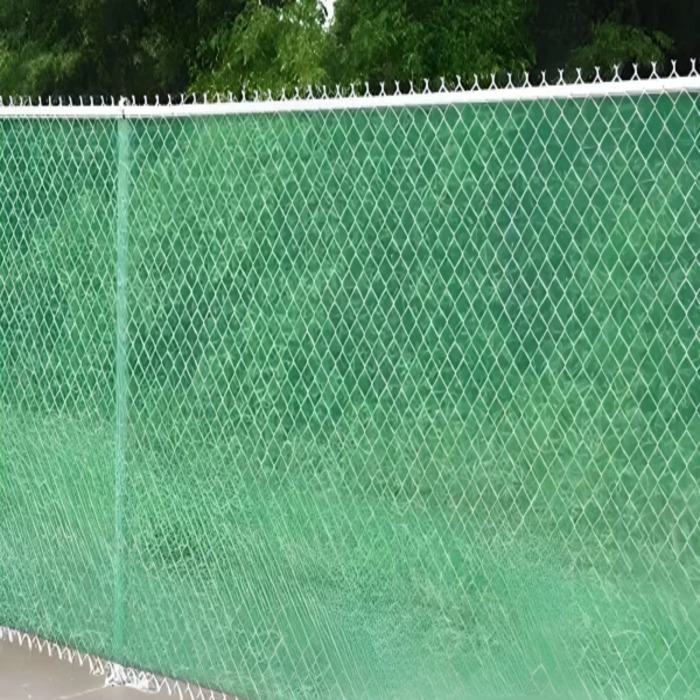
Netting Mistakes: Common Buying Errors Guide.
Netting mistakes can lead to poor durability, safety risks, and financial losses. Understanding how to avoid common buying errors when selecting netting products in Kenya helps improve performance across farming, construction, aquaculture, and home applications.
Netting products are widely used across Kenya in agriculture, construction, fishing, and home protection systems. From greenhouse shading in Naivasha to construction safety in Nairobi and fish farming in Kisumu, netting plays a critical role in productivity and safety.
However, many buyers make avoidable netting mistakes when selecting products. These errors are often caused by focusing only on price, ignoring technical specifications, or purchasing from unreliable suppliers.
In Kenya’s harsh environmental conditions—strong UV exposure, heavy rainfall, and coastal humidity—choosing the wrong net can lead to rapid wear, safety risks, and financial loss.
Trusted suppliers like Cougar Nets help eliminate these risks by offering durable, application-specific solutions available through the official shop.
Why Netting Mistakes Are Common in Kenya
Most purchasing errors happen due to:
- Lack of technical knowledge
- Price-driven decision making
- Ignoring environmental conditions
- Poor supplier selection
- Misunderstanding product specifications
These issues affect both small-scale buyers and large commercial projects.
Durability-Related Netting Mistakes
One of the most frequent buying errors is selecting low-quality materials that cannot withstand Kenya’s climate.
Common durability issues include:
- Weak tensile strength
- Low UV resistance
- Fast material degradation
- Poor stitching or weaving quality
In high-sun regions like Nairobi and Eldoret, low-grade nets often fail within a short time, increasing replacement costs.
UV Protection Mistakes in Net Selection
UV exposure is one of the biggest environmental challenges for netting in Kenya.
Without UV stabilization:
- Nets become brittle quickly
- Strength reduces over time
- Outdoor lifespan is significantly shortened
This makes UV protection a critical factor for farming, construction, and outdoor applications.
Mesh Selection Errors in Netting Applications
Incorrect mesh selection is one of the most damaging netting mistakes.
Common examples include:
- Large mesh used for poultry fencing (predator entry risk)
- Small mesh used in greenhouses (restricted airflow)
- Wrong fishing mesh reducing catch efficiency
- Inappropriate mesh for safety applications
Each application requires a specific mesh size for optimal performance.
Supplier-Related Netting Mistakes
Choosing the wrong supplier can result in serious financial and operational losses.
Risks include:
- Fake or substandard materials
- No warranty or product support
- Incorrect specifications
- Lack of technical guidance
Reliable providers like Cougar Nets ensure quality assurance and professional guidance.
Ignoring GSM Ratings in Netting Products
GSM (grams per square meter) is a key indicator of strength and durability.
| GSM Level | Strength | Recommended Use |
|---|---|---|
| Low GSM | Weak | Temporary applications |
| Medium GSM | Moderate | Farming and shading |
| High GSM | Strong | Construction and industrial use |
Ignoring GSM is one of the most expensive buying errors in Kenya.
Wrong Application of Netting Products
Using the wrong type of netting reduces effectiveness and increases risk.
Common mistakes include:
- Garden mesh used for construction safety
- Fishing nets used for poultry farming
- Shade nets used for heavy load protection
- Decorative mesh used for industrial purposes
Each application requires a purpose-built solution.
Installation Mistakes That Reduce Net Performance
Even high-quality netting can fail due to poor installation.
Common installation errors:
- Loose tensioning
- Weak anchoring systems
- Incorrect spacing of supports
- Poor fastening materials
Proper installation ensures safety, durability, and performance.
Industry-Based Netting Mistakes in Kenya
Agricultural Netting Errors
Agriculture is a major user of netting in Kenya, but common mistakes include:
- Using low-quality shade nets
- Poor greenhouse coverage
- Inadequate pest protection
- Wrong material selection
Explore solutions via poultry farming netting.
Construction Netting Errors
Construction sites require strong safety compliance.
Common mistakes:
- Using uncertified safety nets
- Ignoring load capacity
- Selecting low-grade materials
Learn more from construction shade nets.
Fishing & Aquaculture Errors
In Kenya’s growing aquaculture industry:
- Incorrect mesh sizing
- Weak rope systems
- Poor water resistance materials
Explore solutions via aquaculture equipment solutions.
Cost Impact of Netting Mistakes
| Mistake Type | Financial Impact |
|---|---|
| Low-quality purchase | Frequent replacements |
| Wrong mesh selection | Reduced productivity |
| Poor installation | Early failure |
| Fake suppliers | Total financial loss |
Poor decisions often cost more than investing in quality products upfront.
How to Avoid Netting Mistakes
To ensure long-term performance:
- Verify UV protection
- Check GSM strength rating
- Match mesh type to application
- Buy from trusted suppliers
- Follow correct installation practices
Browse reliable options in the home and garden category.
Best Practices for Buying Netting in Kenya
- Always compare specifications, not just price
- Request expert advice before purchase
- Choose UV-stabilized materials
- Avoid unverified sellers
- Consider long-term durability over short-term savings
People Also Ask: What are common netting mistakes?
Common netting mistakes include selecting low-quality materials, ignoring UV protection, choosing incorrect mesh sizes, and buying from unreliable suppliers. These issues reduce durability, performance, and safety.
Frequently Asked Questions
What are the biggest netting mistakes in Kenya?
The biggest mistakes include poor material selection, ignoring UV protection, and buying from unverified suppliers.
How can I avoid netting buying errors?
Check GSM rating, UV resistance, mesh size, and supplier credibility before purchase.
Why does UV protection matter?
It prevents material breakdown and extends product lifespan in outdoor environments.
What happens if I choose the wrong mesh size?
It can reduce efficiency, compromise safety, or restrict airflow depending on usage.
Why is supplier choice important?
Reliable suppliers ensure quality, warranty, and correct specifications.
Where can I buy quality netting in Kenya?
From trusted suppliers like Cougar Nets via their shop or contact channels.
Conclusion
Avoiding netting mistakes is essential for anyone investing in agricultural or industrial mesh systems in Kenya. By choosing the right products, working with reliable suppliers, and ensuring proper installation, buyers can significantly improve durability, performance, and long-term value.
Contact Information
For expert guidance, pricing, or bulk orders:
Cougar Nets
Email: sales@cougarnets.com | info@cougarnets.com
Phone: +254 706 903 465
Location: Darosa Plaza, Karen Rd, Nairobi
Website: https://cougarnets.co.ke/