No products in the cart.
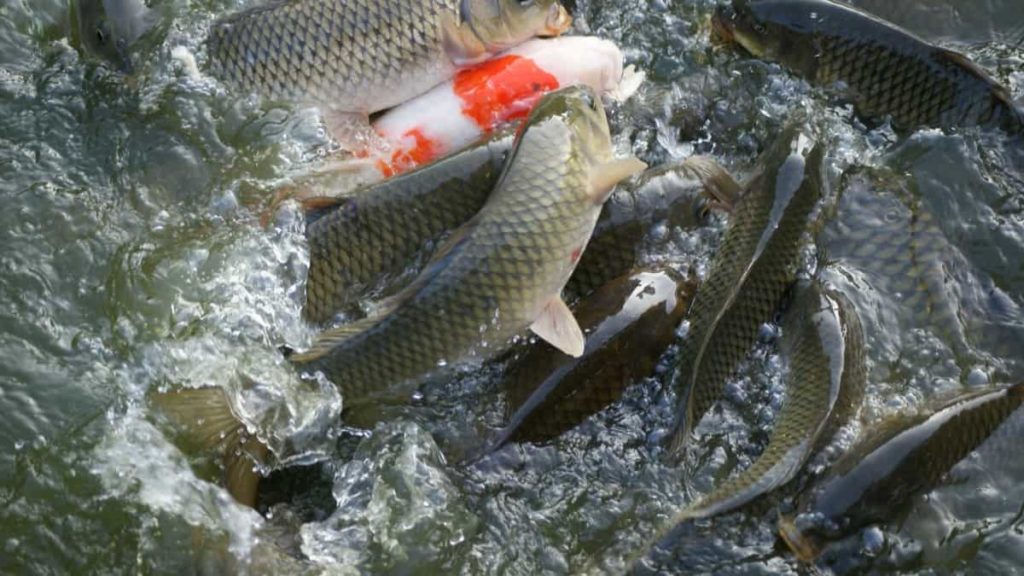
Fish farming in Kenya is the controlled rearing of fish in ponds, cages, or tanks using aquaculture systems and tools like nets and aerators. Across Kenya and East Africa, beginners can start successfully by setting up a pond, installing protective netting, managing water quality, and using proper feeding techniques to ensure high survival and productivity.
Fish farming in Kenya has become one of the most promising agribusiness opportunities across East Africa, driven by rising demand for affordable protein and sustainable food production. From Kisumu’s Lake Victoria basin to urban setups in Nairobi and inland farms in Eldoret, aquaculture is rapidly expanding.
Cougar Nets stands out as a trusted supplier of high-quality netting and aquaculture solutions, helping farmers build efficient, durable, and productive systems. Whether you’re starting small or planning a commercial venture, understanding the right tools, techniques, and environmental factors is key to long-term success.
What Is Aquaculture and Why It Matters in Kenya
Aquaculture refers to the farming of fish and other aquatic organisms in controlled environments.
In Kenya, it plays a critical role in:
- Food security
- Job creation
- Income generation
- Reducing pressure on natural fisheries
Common systems include:
- Earthen ponds
- Cage farming in lakes
- Tank-based setups
Step-by-Step Guide to Starting a Fish Farm
Step 1: Choose the Right System
Your farming method depends on budget, location, and water availability.
Options include:
- Pond-based systems (ideal for beginners)
- Cage farming (popular in large water bodies like Lake Victoria)
- Tank systems (urban and controlled environments)
Step 2: Select a Suitable Location
A good site should have:
- Reliable water supply
- Proper drainage
- Secure environment
In regions like Mombasa, heat management is important, while in Eldoret, maintaining temperature stability is key.
Step 3: Construct and Prepare the Pond
Pond preparation involves:
- Excavation
- Lining (if necessary)
- Water treatment
To protect your investment, install high-quality netting such as:
fish-pond-cover-net
Step 4: Install Essential Equipment
To run a successful operation, you’ll need:
- Protective nets
- Aeration systems
- Feeding tools
- Water pumps
For oxygen management:
aerator-pump-kenya
Step 5: Choose the Right Fish Species
The most suitable species in East Africa include:
- Tilapia – fast-growing and highly marketable
- Catfish – hardy and adaptable
These species perform well under local climatic conditions.
Step 6: Stock Quality Fingerlings
Always source from certified hatcheries.
Healthy fingerlings should:
- Be active
- Show uniform size
- Have no visible deformities
Step 7: Use Netting for Protection and Control
Netting is one of the most critical components in modern aquaculture.
Recommended options:
- Fish Cage Net Material
- Fish Pond Cover Net
Benefits include:
- Predator control
- Reduced contamination
- Improved survival rates
Step 8: Feeding and Growth Management
Fish should be fed:
- 2–3 times daily
- Using balanced feed
Proper feeding improves:
- Growth rate
- Weight gain
- Market readiness
Step 9: Monitor Water Quality
Key factors:
- Oxygen levels
- Temperature
- Cleanliness
Aeration systems help maintain optimal conditions, especially in warm areas like Nairobi and coastal regions.
Step 10: Harvest and Market Your Fish
Most fish reach market size within:
- 4–6 months (tilapia)
- 3–5 months (catfish)
Sell to:
- Local markets
- Hotels
- Processors
Essential Equipment for Beginners
| Equipment | Function | Importance |
|---|---|---|
| Pond nets | Protection | High |
| Cage nets | Containment | High |
| Aerators | Oxygen supply | High |
| Feeding tools | Growth control | Medium |
| Water pumps | Circulation | Medium |
Browse equipment:
fishing
Why Netting Is a Game-Changer in Aquaculture
Netting systems significantly improve productivity.
Key Benefits:
1. Predator Protection
Birds and animals cannot access fish.
2. Improved Water Quality
Debris and contaminants are blocked.
3. Reduced Fish Stress
Shaded environments stabilize temperature.
4. Better Yield
More fish survive to maturity.
Regional Insights Across Kenya
Kisumu (Lake Region)
- Ideal for cage systems
- High commercial activity
Nairobi
- Growth in backyard aquaculture
- Focus on efficiency
Mombasa
- High temperatures require shading
- Saltwater-resistant materials needed
Rift Valley
- Stable freshwater conditions
- Suitable for beginners
Common Mistakes Beginners Should Avoid
- Overstocking ponds
- Ignoring water quality
- Using low-quality feed
- Skipping protective systems
- Poor site selection
Avoiding these mistakes improves success rates significantly.
Costs and Investment Insights
Startup costs vary depending on scale:
- Small-scale: Low initial investment
- Medium farms: Moderate setup cost
- Commercial operations: Higher investment with strong ROI
Investing in durable equipment reduces long-term costs.
Modern Aquaculture and Compliance
Commercial fish farming operations in Kenya increasingly require structured financial management, including eTIMS compliance for tax reporting.
Cougar Nets supports farmers with:
- Reliable materials
- Bulk supply
- Expert consultation
Explore more:
shop
about-us
contact-us
People Also Ask
How do I start fish farming as a beginner?
Start by preparing a pond, installing nets, sourcing fingerlings, and managing feeding and water quality effectively.
Is aquaculture profitable in Kenya?
Yes, demand for fish is high, and efficient systems can generate strong returns within a few months.
What equipment is essential?
Nets, aerators, feeding tools, and pumps are key for a successful setup.
Which fish grows fastest?
Tilapia and catfish are the most commonly farmed due to their adaptability and growth rate.
Where to Buy Fish Farming Equipment
Cougar Nets offers reliable aquaculture solutions for all farm sizes.
Browse:
Main store:
cougarnets.co.ke
FAQ Section
1. Can I start aquaculture with a small budget?
Yes, small backyard systems are affordable and scalable over time.
2. How long before fish are ready for sale?
Most species reach market size within 4–6 months depending on feeding and conditions.
3. Do I need nets for a small pond?
Yes, netting improves survival rates and protects fish from predators.
4. What is the best location for fish farming?
Areas with reliable water supply and stable conditions are ideal.
5. How do I maintain water quality?
Use aerators, avoid overstocking, and regularly clean the pond.
6. Is fish farming sustainable?
Yes, when done properly, it supports food security and environmental conservation.
Get Your Premium Netting Solutions Today! For the best quality netting solutions for farming, construction, home, or any other project, look no further than Cougar Nets. Our team of experts is ready to help you choose the perfect product for your needs.
NATIONWIDE & EAST AFRICA DELIVERY AVAILABLE
✔ Premium quality nets for all applications
✔ Professional installation and expert advice
✔ Bulk orders and custom solutions available
Serving Kenya (Nairobi, Eldoret, Kisumu), Uganda, Tanzania, Rwanda, South Sudan, Ethiopia and beyond.
Contact Us for a Quote:
Cougar Nets
Email: sales@cougarnets.com | info@cougarnets.com
Phone: +254 706 903 465
Visit Us: Darosa Plaza, Karen Rd, Nairobi
Website: cougarnets.co.ke