No products in the cart.
Tilapia farming has become one of the most profitable and scalable aquaculture ventures in Kenya. With increasing demand for affordable protein and growing pressure on wild fish stocks, farmers are turning to controlled production systems such as cage farming in lakes, rivers, and ponds.
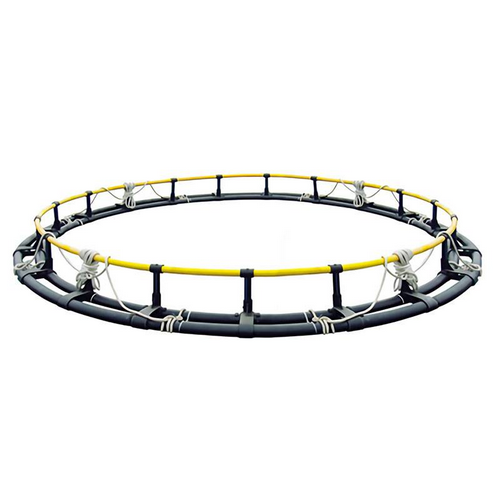
One of the most effective systems is tilapia fish cage construction using durable aquaculture nets. These cages allow farmers to rear fish in natural water bodies while maintaining control over feeding, stocking density, and harvesting.
However, success in cage farming depends heavily on proper design, strong materials, and correct installation. Poorly constructed cages lead to fish escapes, predator attacks, and structural collapse.
At Cougar Nets, we supply high-quality aquaculture nets designed for Kenyan conditions, helping farmers build durable and cost-effective fish farming systems.
Understanding Fish Cage Farming in Kenya
Fish cage farming involves enclosing fish in floating or submerged net structures placed in lakes, rivers, or large ponds. In Kenya, this system is commonly used in:
- Lake Victoria
- Private fish ponds
- Dams and reservoirs
- Controlled aquaculture farms
Key Advantages:
- Efficient space utilization
- Easier fish management
- Higher production per unit area
- Reduced water infrastructure costs
Explore durable aquaculture solutions here:
fish-cage-net-mat
Materials Needed for Tilapia Fish Cage Construction
To build a reliable fish cage, you need strong and weather-resistant materials.
Essential Materials:
- Aquaculture nets (HDPE or nylon-based)
- Floating frames (PVC pipes or drums)
- Strong support ropes
- Anchoring weights
- Feeding platforms
- Sinkers and floats
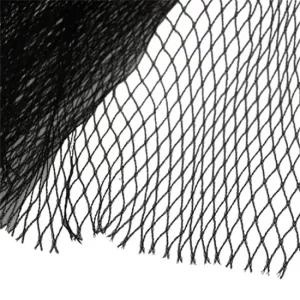
High-quality netting is the most important component of the system, as it determines durability and fish safety.
Step 1: Designing Your Fish Pond Cage System
Proper fish pond design Kenya starts with planning the cage dimensions and layout.
Key Design Considerations:
- Water depth (minimum 2–5 meters for cages)
- Water flow and oxygen levels
- Accessibility for feeding and harvesting
- Protection from waves and currents
- Space allocation per fish
A well-designed cage ensures optimal fish growth and reduces stress.
Step 2: Building the Floating Frame
The floating frame supports the entire cage structure.
Common Frame Materials:
- PVC pipes (lightweight and affordable)
- Plastic drums (for buoyancy)
- Metal frames (for heavy-duty systems)
Construction Tips:
- Ensure balanced weight distribution
- Secure all joints tightly
- Attach floats evenly around the structure
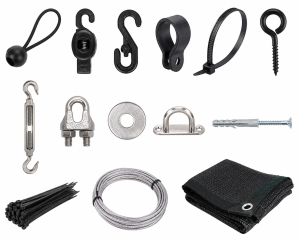
For reinforcement and tying support, farmers often use:
braided-rope-10mm
Step 3: Installing Aquaculture Nets
Aquaculture nets form the main enclosure for the fish.
Installation Guidelines:
- Choose correct mesh size for tilapia fingerlings
- Ensure tight attachment to frame
- Avoid loose sections that may trap fish
- Ensure net extends deep enough to prevent escape
High-quality aquaculture nets Kenya provide:
- UV resistance
- High tensile strength
- Long lifespan (5–8 years)
- Resistance to water degradation
Step 4: Anchoring the Fish Cage System
Anchoring ensures the cage remains stable in water currents.
Anchoring Methods:
- Concrete weights
- Stone-filled sacks
- Metal anchors
Best Practices:
- Use multiple anchor points
- Ensure tension balance across all sides
- Adjust for water level changes
Proper anchoring prevents cage drift and structural failure.
Step 5: Stocking Tilapia Fingerlings
Once the cage is ready, stocking begins.
Stocking Guidelines:
- Use healthy, disease-free fingerlings
- Avoid overcrowding
- Acclimatize fish before release
- Maintain recommended stocking density
Proper stocking improves survival rates and growth performance.
Step 6: Feeding Management in Tilapia Fish Cage Construction Farming
Feeding is critical for growth efficiency.
Best Practices:
- Feed at consistent times daily
- Use floating feeds for monitoring
- Avoid overfeeding (prevents water pollution)
- Adjust feed based on growth stage
Efficient feeding improves profitability and reduces waste.
Step 7: Predator and Environmental Protection
Even in cages, fish are exposed to threats such as birds and theft.
Protection Measures:
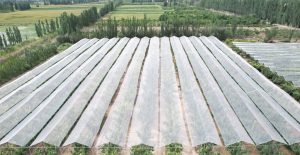
- Install protective net covers above cages
- Use strong mesh materials
- Position cages in secure water zones
- Monitor regularly for damage
For added protection systems:
fish-pond-cover-net
Step 8: Maintenance of Tilapia Fish Cage Construction Systems
Regular maintenance ensures long-term success.
Maintenance Checklist:
- Inspect nets for tears weekly
- Remove algae buildup
- Check anchors and floats
- Clean feeding areas
- Repair damaged sections immediately
Proper maintenance extends system lifespan significantly.
Cost Considerations in Tilapia Fish Cage Construction
Affordable Cage Systems:
- PVC-based frames
- Standard aquaculture nets
- Manual feeding systems
- Small-scale stocking
Advanced Systems:
- Metal floating structures
- Automated feeders
- Large-scale production cages
Affordable systems are ideal for beginner farmers entering aquaculture.
Common Mistakes in Tilapia Fish Cage Construction
Many farmers lose investment due to avoidable errors:
- Using weak or non-UV resistant nets
- Poor anchoring systems
- Overcrowding fish
- Ignoring water quality conditions
- Delayed maintenance
Avoiding these mistakes significantly improves production success.
Benefits of Using High-Quality Aquaculture Nets
1. Higher Fish Survival Rates
Strong nets prevent escapes and predator entry.
2. Better Growth Performance
Stable environments reduce stress in fish.
3. Long-Term Cost Savings
Durable nets reduce replacement frequency.
4. Improved Water Flow
Proper mesh design supports oxygen circulation.
Integrating Tilapia Fish Cage Construction Farming with Other Systems
Modern aquaculture setups often combine multiple tools:
- Water pumps for circulation
water-pump - Aeration systems
aerator-pump-kenya - Pond cover protection systems
fish-pond-cover-net
This integration improves production efficiency and reduces risk.
Why Aquaculture Nets Are Essential in Kenya
Kenya’s aquaculture environment presents challenges such as:
- Temperature fluctuations
- Predator pressure
- Water pollution risks
- High sunlight exposure
Aquaculture nets provide a controlled environment that ensures sustainable fish farming.
Why Cougar Nets is Trusted for Fish Farming Solutions
Cougar Nets provides durable, UV-stabilized aquaculture nets designed for Kenyan fish farmers.
Explore our solutions:
cougarnets
fish-cage-net-mat
fish-pond-cover-net
aerator-pump-kenya
water-pump
We focus on delivering long-term, cost-effective aquaculture solutions that improve farm productivity.
Conclusion: Building a Profitable Tilapia Fish Cage Construction System
Tilapia fish cage construction is one of the most efficient ways to scale aquaculture in Kenya. With proper design, strong materials, and reliable aquaculture nets, farmers can achieve high yields and stable income.
While low-cost setups may seem attractive, investing in durable materials ensures better survival rates, reduced losses, and long-term profitability.
For sustainable fish farming success, quality fish pond design Kenya and strong netting systems are essential foundations.
Get Your Premium Netting Solutions Today!
For the best quality netting solutions for farming, construction, home, or any other project, look no further than Cougar Nets. Our team of experts is ready to help you choose the perfect product for your needs.
NATIONWIDE & EAST AFRICA DELIVERY AVAILABLE
✔ Premium quality nets for all applications
✔ Professional installation & expert advice
✔ Bulk orders & custom solutions available
✔ Serving Kenya (Nairobi, Mombasa, Kisumu), Uganda, Tanzania, Rwanda & beyond.
Contact Us for a Quote:
Cougar Nets
Email: sales@cougarnets.com | info@cougarnets.com
Phone: +254 706 903 465
Visit Us: Darosa Plaza, Karen Rd, Nairobi
Website: https://cougarnets.co.ke/