No products in the cart.
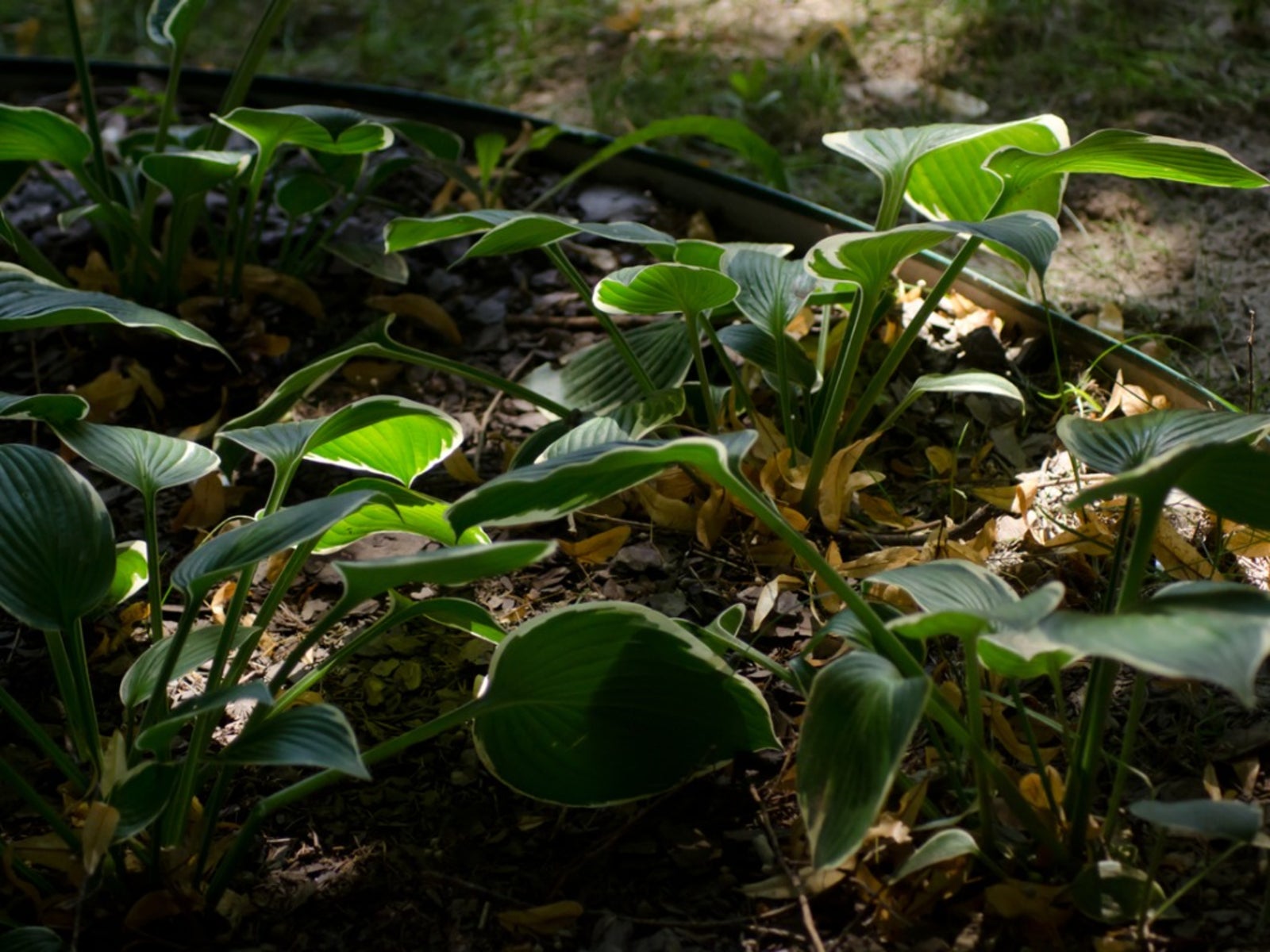
If your plants look pale, weak, and stretched, the problem may not be fertilizer or watering—it could be too much shade. While shade nets are valuable for protecting crops from excessive sunlight and heat, selecting the wrong shade percentage can reduce the amount of light plants need for healthy growth.
Every crop has different light requirements. A shade net that works well for one crop may reduce productivity in another. When plants receive insufficient light, they struggle to produce energy, resulting in poor growth, weak stems, and reduced yields.
Choosing the correct shade factor helps farmers balance protection from heat with the light levels required for strong plant development.
At Cougar Nets, farmers can access quality agricultural shade nets designed for Kenyan farming conditions. Explore their range of Agricultural Nets and Aquaculture Equipment or browse products through the Cougar Nets Shop.
What Happens When There Is Too Much Shade?
Shade nets are designed to reduce sunlight intensity, but excessive shading can negatively affect plant growth.
When there is too much shade, crops may experience:
- Pale leaves
- Long, weak stems
- Slow growth
- Reduced flowering
- Poor fruit development
- Lower yields
Plants need enough light for photosynthesis—the process that allows them to produce energy and grow effectively.
Signs Your Crops Have Too Much Shade
Recognising the symptoms early can help prevent production losses.
1. Pale or Yellowish Leaves
Healthy plants usually have strong green leaves. When light levels are too low, plants may produce less chlorophyll, causing leaves to appear pale.
2. Long, Thin Stems
Plants often stretch toward available light when shaded excessively.
This creates:
- Weak stems
- Poor plant structure
- Increased risk of damage
3. Slow Growth
Crops receiving insufficient light may take longer to reach maturity.
Farmers may notice:
- Delayed harvesting
- Smaller plants
- Reduced production
4. Reduced Flowering and Fruit Production
Many flowering and fruiting crops require adequate sunlight to produce high-quality yields.
Too much shade can reduce:
- Flower formation
- Fruit size
- Crop uniformity
Why Choosing the Correct Shade Factor Matters
Shade nets are available in different shading percentages, and the right choice depends on the crop and growing environment.
Common shade levels include:
Low Shade (Around 20–40%)
Suitable for crops that require high light levels while needing some protection from heat or wind.
Medium Shade (Around 50–60%)
Often used for crops that require moderate protection from intense sunlight.
High Shade (70% and Above)
Suitable for applications requiring stronger sunlight reduction, such as some nurseries, livestock shelters, or sensitive plants.
Using a high shade percentage where crops need more sunlight can lead to too much shade and reduced performance.
Crops Commonly Affected by Too Much Shade
Different crops respond differently to reduced light.
Examples include:
Vegetables
Crops such as tomatoes, peppers, and cucumbers may require careful shade management to maintain productivity.
Flowers
Many flowering plants need balanced light levels for good colour, size, and production.
Seedlings
Young plants may benefit from shade initially but require increased light as they mature.
Fruit Crops
Insufficient sunlight can affect fruit development and quality.
How to Fix Too Much Shade Problems
If your crops are showing signs of excessive shading, consider these solutions:
Reduce Shade Percentage
Replacing a high-density shade net with a lighter grade can increase available light.
Adjust Installation
The amount of shade reaching plants can change depending on:
- Net height
- Structure design
- Orientation
- Ventilation
Monitor Crop Response
Observe changes after adjustments to determine whether plants are receiving the correct amount of light.
Choosing the Right Shade Net for Your Crop
Before purchasing a shade net, consider:
Crop Requirements
Different plants need different light levels.
Climate Conditions
Kenya’s growing regions vary in temperature, sunlight intensity, and rainfall.
Shade Percentage
Select a shade factor that protects crops without reducing essential sunlight.
Material Quality
Choose UV-treated nets designed for long-term outdoor performance.
Benefits of Proper Shade Management
Using the correct shade level helps farmers achieve:
Healthier Plants
Balanced light supports stronger growth.
Better Yields
Plants receive enough energy for productive development.
Improved Crop Quality
Proper light levels improve crop appearance and market value.
Reduced Heat Stress
Shade nets protect crops from excessive temperatures without blocking essential sunlight.
Common Shade Net Mistakes Farmers Make
Many crop problems occur because of incorrect shade selection.
Common mistakes include:
- Choosing shade percentage based only on price
- Using the same net for every crop
- Ignoring local climate conditions
- Installing excessive shade during cooler periods
- Failing to monitor crop response
A shade net should match the crop—not just the environment.
Why Choose Cougar Nets?
When farmers experience too much shade, selecting the correct agricultural netting solution is essential.
Customers choose Cougar Nets because of:
- Quality UV-treated shade nets
- Expert product guidance
- Durable agricultural solutions
- Competitive pricing
- Nationwide delivery
- Reliable customer support
Whether you grow vegetables, flowers, seedlings, or other crops, Cougar Nets provides shade solutions designed for Kenyan farming conditions.
Browse products through the Cougar Nets Shop.
Frequently Asked Questions
What happens when crops get too much shade?
Too much shade can cause pale leaves, weak stems, slow growth, and reduced crop production.
How do I know if my shade net is too dark?
Signs include stretched plants, pale leaves, reduced flowering, and slower growth.
What shade percentage is best for crops?
The correct shade percentage depends on the crop type, climate, and growing conditions.
Can I replace a shade net with a lighter one?
Yes. Reducing shade density can improve light availability and help crops recover.
Where can I buy agricultural shade nets in Kenya?
You can purchase quality shade nets from Cougar Nets, a trusted supplier of agricultural netting solutions.
Conclusion
If your crops are pale, weak, and slow-growing, too much shade may be the hidden cause. Shade nets are valuable tools, but selecting the wrong shade percentage can limit plant growth and reduce yields.
By choosing the correct shade factor and quality agricultural nets from Cougar Nets, farmers can protect crops from harsh conditions while maintaining the light levels needed for healthy production.
Contact Cougar Nets
Are your crops suffering from too much shade? Cougar Nets supplies durable agricultural shade nets designed to help farmers achieve the right balance between sunlight protection and crop growth.
Website:
https://cougarnets.co.ke/
Agricultural Nets and Aquaculture Equipment:
https://cougarnets.co.ke/agricultural-nets-and-aquaculture-equipment/
Shop Online:
https://cougarnets.co.ke/shop/
Contact Us:
https://cougarnets.co.ke/contact-us/
Phone:
+254 706 903 465
Email:
sales@cougarnets.co.ke
Location:
Darosa Plaza, Karen Road, Nairobi, Kenya
Get Your Premium Netting Solutions Today!
For the best quality netting solutions for farming, construction, home, or any other project, look no further than Cougar Nets. Our team of experts is ready to help you choose the perfect product for your needs.
NATIONWIDE & EAST AFRICA DELIVERY AVAILABLE
- Premium quality nets for all applications
- Professional installation and expert advice
- Bulk orders and custom solutions available
- Serving Rwanda, South Sudan, Uganda and beyond.
Contact Us for a Quote:
Cougar Nets
Email: sales@mft.co.ke | info@cougarnets.co.ke
Phone: +254 706 903 465
Visit Us: Darosa Plaza, Karen Rd, Nairobi
Website: https://cougarnets.co.ke/