No products in the cart.
Agricultural netting has become an essential investment for many farmers in Kenya. From protecting vegetables and fruits to supporting greenhouse farming, poultry systems, and crop management, quality nets help farmers improve productivity and reduce losses.
However, even the strongest nets can experience damage over time. Exposure to sunlight, wind, animals, farm equipment, and daily operations can cause small holes or tears that affect the effectiveness of the netting system.
When damage occurs, many farmers immediately consider replacing the entire installation. While replacement may sometimes be necessary, repairing smaller tears can significantly extend the lifespan of your investment and reduce unnecessary costs.
Understanding how to repair and maintain Agricultural Netting in Kenya allows farmers to get better value from their crop protection systems.
Proper repairs can help maintain:
- Pest protection
- Bird control
- Shade management
- Greenhouse performance
- Farm efficiency
Cougar Nets supplies durable agricultural netting solutions designed for Kenyan farming conditions. This guide explains common causes of net damage, practical repair methods, maintenance tips, and when farmers should consider replacing their agricultural nets.
Why Agricultural Netting in Kenya Requires Regular Maintenance
Agricultural nets are exposed to demanding outdoor conditions throughout the year.
Farmers commonly use netting for:
- Greenhouse protection
- Shade control
- Insect exclusion
- Bird protection
- Plant support
- Animal enclosures
Although modern agricultural nets are designed for durability, constant exposure can gradually affect performance.
Common causes of damage include:
- Strong sunlight
- Heavy rainfall
- Strong winds
- Contact with farming tools
- Animals chewing or pulling the net
- Incorrect installation
- Poor maintenance
Regular inspection helps identify problems before they become serious.
Common Types of Agricultural Netting Damage
Small Holes and Punctures
Small holes are among the easiest problems to repair.
They may occur due to:
- Accidental cuts
- Contact with equipment
- Animal activity
If left unrepaired, small holes can expand due to wind tension.
Larger Tears
Large tears may affect the overall strength of the net.
They often occur because of:
- Storm damage
- Weak attachment points
- Excessive tension
Large damage requires more careful repair.
Loose or Detached Sections
Sometimes the net material remains intact but becomes loose.
This can reduce effectiveness by creating gaps where:
- Birds enter
- Insects pass through
- Pests access crops
How to Inspect Agricultural Netting in Kenya Before Repair
Before repairing any damage, farmers should conduct a proper inspection.
Step 1: Walk Around the Entire Installation
Check all areas including:
- Corners
- Edges
- Seams
- Attachment points
Damage is often concentrated in areas experiencing the most tension.
Step 2: Identify the Type of Damage
Determine whether the problem is:
- A small tear
- A large opening
- Loose attachment
- Material deterioration
The repair method depends on the type of damage.
Step 3: Check Overall Net Condition
Ask:
- Is the material still strong?
- Has UV exposure weakened the net?
- Are multiple areas damaged?
If the net has widespread deterioration, replacement may be more practical.
Tools Needed to Repair Agricultural Netting in Kenya
For basic repairs, farmers may need:
- Matching netting material
- Strong thread or net repair cord
- Scissors
- Repair patches
- Cable ties or suitable fasteners
- Gloves
- Measuring tape
The repair materials should match the original net as closely as possible.
Using unsuitable materials can create weak points.
Step-by-Step Guide to Repairing Agricultural Netting in Kenya
Step 1: Clean the Damaged Area
Before repairing:
- Remove dirt
- Clear plant material
- Dry the area
A clean surface allows better attachment.
Step 2: Trim Loose Fibres
Remove damaged loose sections carefully.
Avoid making the hole larger.
The goal is to create a clean repair area.
Step 3: Prepare a Matching Patch
For small and medium tears, a patch made from similar netting material can provide effective reinforcement.
The patch should be:
- Larger than the damaged area
- Strong enough for outdoor conditions
- Properly aligned with the original mesh
Step 4: Attach the Patch Securely
Secure the patch using:
- Strong stitching
- Net repair cord
- Suitable fasteners
Ensure the repair covers the entire damaged section.
Step 5: Check the Repair Strength
After completing the repair:
- Gently test the area
- Check for gaps
- Confirm secure attachment
A good repair should restore protection without creating additional weak points.
Repairing Different Types of Agricultural Netting
Different nets require different approaches.
Repairing Shade Nets
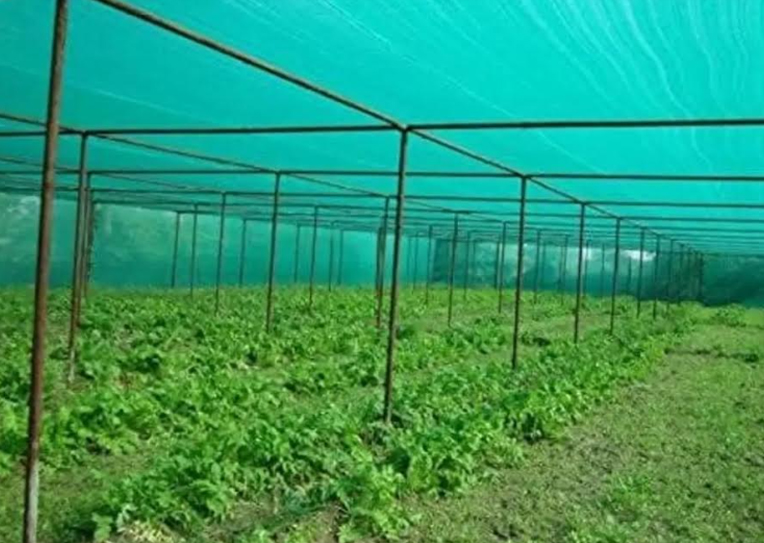
Shade nets protect crops from excessive sunlight and heat.
Cougar Nets provides agricultural shade solutions:
Common damage includes:
- Small tears from wind
- Loose edges
- Broken attachment points
Repair tips:
- Use matching shade material
- Reinforce high-tension areas
- Check support structures
Repairing Insect Nets
Insect nets prevent pests from entering protected growing areas.
Cougar Nets supplies insect protection products:
Even small holes can reduce effectiveness because insects can enter through tiny openings.
Repair priorities include:
- Sealing small gaps quickly
- Checking door areas
- Inspecting corners and joints
Repairing Anti-Bird Nets
Bird protection nets help prevent crop losses.
Available solution:
Common repairs involve:
- Closing holes
- Securing loose sections
- Reinforcing attachment points
Repairing Trellis Nets
Trellis nets support climbing plants and improve farm organisation.
Cougar Nets provides trellis solutions:
Damage may affect:
- Plant support
- Crop arrangement
- Harvesting efficiency
Repairing broken sections helps maintain crop structure.
When Should You Repair Agricultural Netting Instead of Replacing It?
Repairing is suitable when:
- Damage is limited
- The net material remains strong
- Only a few sections are affected
- The net is relatively new
Repairing helps farmers:
- Save money
- Extend product lifespan
- Reduce waste
When Should Agricultural Netting Be Replaced?
Replacement may be necessary when:
- The net has many tears
- Material has become weak
- UV damage is extensive
- Repairs are becoming frequent
- The mesh no longer provides protection
A damaged net may cost farmers more through crop losses than investing in a new system.
Preventing Damage to Agricultural Netting in Kenya
Prevention is always better than frequent repairs.
1. Choose Quality Netting Materials
High-quality agricultural nets are designed for outdoor conditions.
Cougar Nets provides durable solutions suitable for Kenyan farms.
Visit:
2. Install Nets Correctly
Poor installation can create unnecessary stress.
Proper installation helps prevent:
- Excess tension
- Loose sections
- Premature damage
3. Inspect Nets Regularly
Farmers should check nets regularly, especially after:
- Strong winds
- Heavy rains
- Farm activities
Early repairs prevent larger problems.
4. Keep Sharp Objects Away
Tools and equipment can accidentally damage netting.
Train farm workers to handle nets carefully.
5. Protect Against Animal Damage
Animals can damage nets by:
- Pulling
- Scratching
- Chewing
Secure installation reduces these risks.
Benefits of Maintaining Agricultural Netting in Kenya
Reduced Farming Costs
Regular repairs help avoid unnecessary replacement expenses.
Better Crop Protection
Maintained nets continue providing protection against:
- Birds
- Insects
- Harsh weather
Improved Farm Productivity
Healthy crop protection systems support:
- Better yields
- Reduced losses
- Improved quality
Longer Net Lifespan
Proper maintenance allows farmers to maximise their investment.
Choosing Replacement Agricultural Netting in Kenya
When replacement becomes necessary, farmers should consider:
The Farming Application
Different crops require different protection levels.
Consider whether you need:
- Shade control
- Pest protection
- Bird protection
- Plant support
Material Quality
Look for:
- UV resistance
- Strong construction
- Weather durability
Correct Size and Specification
The net should match:
- Farm structure
- Crop requirements
- Installation design
Why Choose Cougar Nets for Agricultural Netting in Kenya?
Cougar Nets provides reliable agricultural netting solutions for farmers throughout Kenya and East Africa.
Customers benefit from:
- Quality products
- Durable materials
- Expert recommendations
- Solutions for different farming applications
Whether you need replacement netting, new installations, or advice on maintaining your existing system, Cougar Nets provides dependable support.
Contact Cougar Nets:
Supporting Products for Farm Protection Systems
Agricultural projects often require additional materials alongside netting.
Animal Enclosure Solutions
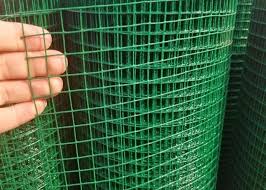
For livestock protection, Cougar Nets provides PVC-coated rabbit mesh:
The Future of Agricultural Netting Maintenance in Kenya
As more Kenyan farmers adopt modern farming techniques, proper maintenance of agricultural infrastructure will become increasingly important.
Farmers investing in protective systems need to focus on:
- Regular inspections
- Quality repairs
- Proper installation
- Long-term planning
Maintaining Agricultural Netting in Kenya ensures farmers continue receiving the benefits of crop protection systems.
Conclusion: Extend the Life of Your Agricultural Nets Through Proper Repairs
Agricultural netting is a valuable investment for Kenyan farmers, but regular maintenance is necessary to maximise its performance.
Small tears and damaged sections can often be repaired before they develop into major problems. By inspecting nets regularly, using appropriate repair methods, and choosing quality replacement materials when needed, farmers can reduce costs and maintain effective crop protection.
Cougar Nets provides durable Agricultural Netting in Kenya designed to support farmers with reliable solutions for crop protection, greenhouse farming, and agricultural productivity.
With the right maintenance approach, your agricultural nets can continue protecting your farm and improving your operations for many years.
Get Your Premium Netting Solutions Today!
For the best quality netting solutions for farming, construction, home, or any other project, look no further than Cougar Nets. Our team of experts is ready to help you choose the perfect product for your needs.
NATIONWIDE & EAST AFRICA DELIVERY AVAILABLE
✔ Premium quality nets for all applications
✔ Professional installation & expert advice
✔ Bulk orders & custom solutions available
✔ Serving Kenya (Nairobi, Nakuru, Eldoret), Uganda, Tanzania, Rwanda, Ethiopia & beyond.
Contact Us for a Quote:
Cougar Nets
Email: sales@cougarnets.com | info@cougarnets.com
Phone: +254 706 903 465
Visit Us: Darosa Plaza, Karen Rd, Nairobi
Website: https://cougarnets.co.ke/