No products in the cart.
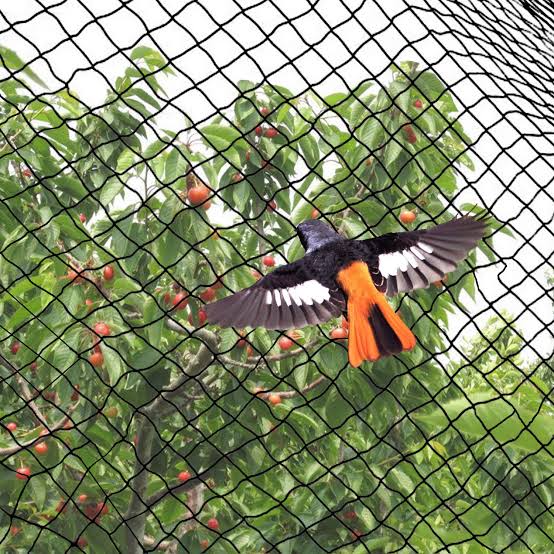
Fruit farming in Kenya provides valuable income opportunities for thousands of farmers, from small-scale orchard owners to large commercial agricultural enterprises. However, one of the biggest challenges affecting fruit production is bird damage. Birds can destroy ripening fruits, reduce marketable yields, and create significant financial losses within a short period.
For farmers growing crops such as mangoes, grapes, berries, tomatoes, passion fruits, and other high-value produce, investing in Anti-Bird Nets in Kenya is one of the most effective ways to protect crops naturally and improve harvest returns.
Unlike chemical deterrents or temporary methods that require constant monitoring, anti-bird nets provide a physical protection barrier that prevents birds from accessing crops while allowing sunlight, air circulation, and normal plant growth.
Installing the right bird protection system requires proper planning, quality materials, and correct installation techniques. A poorly installed net may leave gaps where birds can enter, reduce the lifespan of the net, or damage crops.
This comprehensive guide explains how to install anti-bird nets in Kenyan orchards, the benefits of using agricultural netting, the different installation methods, maintenance practices, and how farmers can choose the right solution for maximum crop protection.
Why Farmers Need Anti-Bird Nets in Kenya
Kenya’s agricultural sector depends heavily on fruit and crop production. As farmers adopt modern farming techniques, protecting crops from avoidable losses has become increasingly important.
Birds are natural parts of the ecosystem, but large bird populations around farms can cause serious challenges.
Common problems caused by birds include:
- Damaged fruits before harvest
- Reduced crop quality
- Lower market value
- Increased production losses
- Contamination of produce
- Additional labour costs for bird control
For commercial orchards, even a small percentage of damaged fruit can represent thousands of shillings in lost revenue.
Anti-bird nets provide farmers with a reliable solution by creating a protective barrier around valuable crops.
How Anti-Bird Nets Work
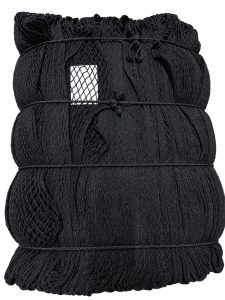
Anti-bird nets are agricultural protection nets designed with fine mesh openings that prevent birds from reaching crops.
The nets work by:
- Covering individual plants or entire orchard sections
- Blocking bird access to fruits
- Allowing sunlight penetration
- Maintaining natural airflow
- Reducing dependence on chemical deterrents
High-quality bird nets are manufactured from durable materials such as UV-treated polyethylene, allowing them to withstand Kenya’s outdoor conditions.
A properly installed system can protect crops throughout the growing and harvesting seasons.
Benefits of Installing Anti-Bird Nets in Kenya
1. Protects Valuable Fruit Harvests
The biggest advantage of using anti-bird nets is preventing crop losses.
Birds often target fruits as they ripen because they contain high levels of sugar and moisture. Crops most affected include:
- Mangoes
- Grapes
- Strawberries
- Tomatoes
- Passion fruits
- Berries
By covering crops before they reach peak ripeness, farmers can protect their expected harvest.
2. Reduces Dependence on Chemical Bird Control Methods
Some farmers use chemical repellents or other methods to discourage birds. However, these solutions may require repeated application and careful management.
Physical netting provides a long-term protection method without introducing chemicals onto crops.
This makes anti-bird nets a suitable choice for farmers focused on safe and sustainable agricultural practices.
3. Improves Crop Quality
Fruit damaged by birds often develops:
- Marks
- Open wounds
- Reduced appearance
- Lower shelf life
Protected crops are more likely to maintain their quality and achieve better market prices.
For commercial farmers supplying supermarkets, exporters, and distributors, crop appearance is extremely important.
4. Provides Long-Term Cost Savings
Although installing anti-bird nets requires an initial investment, the benefits continue over multiple growing seasons.
Farmers save money through:
- Reduced crop losses
- Less labour spent chasing birds
- Fewer damaged fruits
- Better harvest consistency
A quality netting system becomes a valuable farm asset.
Choosing the Right Anti-Bird Nets in Kenya
Before installation, farmers should select the correct net based on their crop type, orchard size, and farming environment.
Consider the Mesh Size
Mesh size determines the level of protection provided.
Smaller mesh openings are ideal for:
- Small birds
- High-value fruit crops
- Sensitive growing areas
Larger mesh openings may work for general protection where smaller birds are not a major problem.
The correct mesh size should prevent birds from entering while maintaining good airflow.
Consider Net Material Quality
Outdoor agricultural nets must withstand:
- Strong sunlight
- Rain
- Wind
- Temperature changes
High-density polyethylene (HDPE) nets are commonly preferred because they offer:
- UV resistance
- Strength
- Flexibility
- Weather durability
Low-quality nets may deteriorate quickly, increasing replacement costs.
Consider Orchard Size and Layout
The installation method depends on whether you are protecting:
- Individual trees
- Small garden plots
- Greenhouses
- Large commercial orchards
Large farms often require structured systems with support poles and permanent frameworks.
Step-by-Step Guide: How to Install Anti-Bird Nets in Kenya
Step 1: Assess the Orchard Area
Before purchasing materials, inspect your farm.
Measure:
- Orchard length
- Orchard width
- Tree height
- Number of crop rows
- Existing support structures
Accurate measurements help determine how much netting is required.
Farmers should also identify areas where birds commonly enter.
Step 2: Choose the Installation Method
There are several ways to install anti-bird nets depending on the crop.
Individual Tree Protection
This method involves covering individual fruit trees with netting.
Advantages:
- Lower material requirement
- Suitable for small farms
- Easy installation
It works well for backyard orchards and scattered fruit trees.
Row Cover Installation
Netting is installed over crop rows using support structures.
Suitable for:
- Vine crops
- Berries
- Small fruit plants
This method allows easier farm access.
Complete Orchard Cover System
Large commercial orchards often use permanent structures to support nets over entire growing areas.
Benefits include:
- Maximum protection
- Easier harvesting access
- Long-term use
Step 3: Install Support Posts and Framework
A strong support structure is essential for effective net installation.
Depending on the orchard, farmers may use:
- Wooden poles
- Metal posts
- Concrete supports
The framework should be strong enough to handle:
- Wind pressure
- Net weight
- Seasonal weather conditions
Posts should be installed securely to prevent the net from collapsing onto crops.
Step 4: Attach the Anti-Bird Net
Once the framework is ready:
- Carefully spread the net over the protected area.
- Ensure complete coverage.
- Secure the edges firmly.
- Remove any openings where birds may enter.
The net should not hang loosely where birds can become trapped.
Proper tension improves both performance and lifespan.
Step 5: Secure the Edges Properly
Many bird protection systems fail because the edges are not secured correctly.
Common securing methods include:
- Tying nets to support poles
- Using ropes
- Anchoring edges into the soil
- Connecting sections together
Cougar Nets provides durable agricultural accessories such as:
Strong fastening materials help maintain a reliable installation.
Step 6: Inspect the Installation
After installation, inspect the entire orchard.
Check for:
- Gaps
- Loose sections
- Weak attachment points
- Areas where birds may enter
Regular inspection ensures maximum protection.
Using Anti-Bird Nets Together With Other Agricultural Nets
Modern farming often requires multiple protection systems.
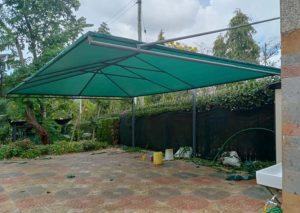
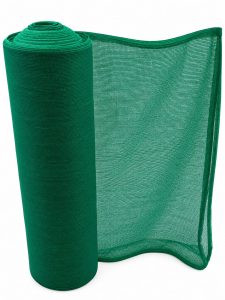
Shade Nets for Crop Protection
Some crops require protection from excessive sunlight in addition to bird protection.
Shade nets help regulate temperatures and reduce environmental stress.
Cougar Nets supplies agricultural shade net solutions:
They are useful for:
- Nurseries
- Orchards
- Greenhouses
- Vegetable production
Insect Nets for Additional Crop Protection
Birds are not the only threat facing farmers. Insects can also damage crops and reduce yields.
Insect netting provides another layer of protection.
Available solution:
Combining insect and bird protection creates a more complete crop management system.
Trellis Nets for Climbing Crops
Certain crops require structural support while growing.
Trellis nets can support climbing plants while improving farm organization.
Learn more:
Common Mistakes Farmers Make When Installing Anti-Bird Nets
Installing Nets Too Late
Waiting until fruits are already ripe increases the risk of losses.
Birds should be prevented from accessing crops before major damage occurs.
Using Poor Quality Nets
Cheap nets may:
- Tear easily
- Break under sunlight
- Require frequent replacement
Quality materials provide better long-term value.
Leaving Small Openings
Even small gaps can allow birds to enter.
Always inspect:
- Corners
- Entry points
- Net connections
Poor Support Structure
Weak poles or loose frameworks reduce effectiveness.
The support system should match the size and weight of the net.
Maintaining Anti-Bird Nets for Long-Term Performance
Proper maintenance extends the lifespan of agricultural nets.
Regular Cleaning
Remove:
- Leaves
- Dust
- Plant debris
This reduces unnecessary stress on the net.
Repair Small Damages Quickly
Small tears can become larger problems if ignored.
Inspect regularly and repair damaged areas.
Store Nets Properly During Off Seasons
If nets are removed after harvest:
- Clean them first
- Dry completely
- Store away from direct sunlight
- Avoid sharp objects
Good storage protects your investment.
Why Choose Cougar Nets for Anti-Bird Nets in Kenya?
Cougar Nets is a trusted provider of agricultural and industrial netting solutions for farmers across Kenya and East Africa.
The company supplies durable products designed for real farming conditions, helping growers protect crops and improve productivity.
Farmers choose Cougar Nets because of:
- Quality agricultural netting products
- Reliable solutions for different farm sizes
- Expert guidance
- Durable materials
- Support for commercial and small-scale projects
For farmers looking for dependable Anti-Bird Nets in Kenya, Cougar Nets provides professional solutions tailored to agricultural needs.
Visit:
For product advice and quotations:
The Future of Crop Protection in Kenya
As farming becomes more commercial and climate challenges increase, farmers are investing more in protective agricultural technologies.
Anti-bird nets will continue becoming an important part of modern farming because they help farmers:
- Protect valuable crops
- Reduce losses
- Improve production efficiency
- Increase profitability
For fruit growers, investing in reliable crop protection is not just about preventing damage—it is about securing the future of the farming business.
Conclusion: Protect Your Orchard With Quality Anti-Bird Nets
Bird damage can significantly reduce the profitability of fruit farming, but farmers have effective solutions available. Installing quality Anti-Bird Nets in Kenya provides reliable protection while supporting sustainable agricultural practices.
From small family orchards to large commercial farms, properly installed bird nets help protect crops, improve harvest quality, and reduce unnecessary losses.
Cougar Nets offers durable agricultural netting solutions designed for Kenyan farmers and businesses across East Africa. With the right products and expert guidance, farmers can build stronger, more productive agricultural operations.
Get Your Premium Netting Solutions Today!
For the best quality netting solutions for farming, construction, home, or any other project, look no further than Cougar Nets. Our team of experts is ready to help you choose the perfect product for your needs.
NATIONWIDE & EAST AFRICA DELIVERY AVAILABLE
✔ Premium quality nets for all applications
✔ Professional installation & expert advice
✔ Bulk orders & custom solutions available
✔ Serving Uganda, Kenya (Nairobi, Nakuru, Kisumu), Tanzania, Rwanda, Ethiopia & beyond.
Contact Us for a Quote:
Cougar Nets
Email: sales@cougarnets.com | info@cougarnets.com
Phone: +254 706 903 465
Visit Us: Darosa Plaza, Karen Rd, Nairobi
Website: https://cougarnets.co.ke/