No products in the cart.
Top Shade Net Products & Agricultural Solutions
For farmers looking to improve tomato production in Kenya and East Africa, explore these premium agricultural and farming solutions from Cougar Nets:
- Poultry Farming Equipment & Agricultural Solutions
- Home & Garden Farming Products
- Professional Farming & Hardware Tools
- Contact Cougar Nets for Custom Agricultural Netting Solutions
Best Shade Net Percentage for Tomatoes
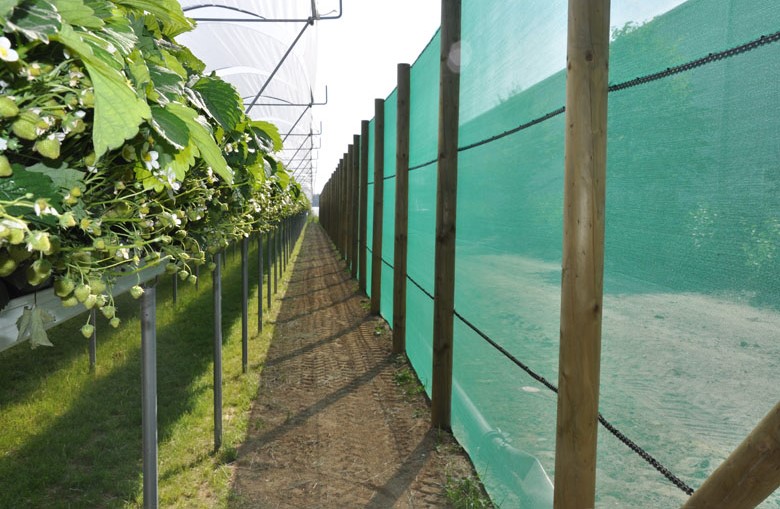
The best shade net percentage for tomatoes in Kenya and East Africa is typically a 50 percent shade net. It provides the ideal balance between sunlight protection and healthy plant growth, especially in hot regions like Nairobi, Mombasa, Kisumu, and Eldoret. Farmers using the correct tomato farming shade nets can reduce heat stress, improve fruit quality, and increase yields during dry seasons.
Introduction
Choosing the best shade net for tomatoes is essential for successful tomato farming in Kenya and across East Africa. Excessive sunlight, high temperatures, strong UV exposure, and unpredictable weather conditions can damage tomato crops and reduce productivity. Using the correct agricultural netting for vegetables helps regulate temperature, conserve moisture, and protect plants from environmental stress.
Whether you operate a greenhouse in Nairobi, an open-field farm in Eldoret, or a coastal farm in Mombasa, selecting the right shade net percentage guide can significantly improve tomato quality and profitability.
Benefits of Using Tomato Farming Shade Nets in Kenya
Tomato plants require adequate sunlight for photosynthesis, but too much heat can cause:
- Leaf scorching
- Flower dropping
- Sunburned fruits
- Reduced fruit setting
- Increased water loss
Using high-quality agricultural netting for vegetables offers several advantages:
Improved Temperature Regulation
A properly selected shade net lowers greenhouse or field temperatures by several degrees, helping tomatoes thrive during hot afternoons.
Better Moisture Retention
Shade nets reduce evaporation, allowing farmers to save water during irrigation.
Protection Against Harsh UV Exposure
In regions with intense sunlight such as Mombasa and Kisumu, UV protection is critical for healthy tomato growth.
Increased Tomato Yield
Farmers using the best shade net for tomatoes often experience:
- Better flowering
- Higher fruit quality
- More uniform ripening
- Reduced crop stress
For additional farming support products, visit the Cougar Nets Shop.
Understanding Shade Net Percentages for Tomato Farming
Different shade net percentages control how much sunlight reaches the crop.
| Shade Net Percentage | Light Blocked | Best Use for Tomatoes |
|---|---|---|
| 30% Shade Net | Low shading | Cooler regions with moderate sunlight |
| 50% Shade Net | Medium shading | Ideal for most tomato farming in Kenya |
| 75% Shade Net | Heavy shading | Extreme heat or nursery applications |
30 Percent Shade Net
A 30 percent shade net allows more sunlight penetration and is suitable for:
- Cooler highland areas
- Rainy seasons
- Greenhouses with lower heat buildup
However, in hot areas, it may not provide enough protection.
50 Percent Shade Net — Recommended Option
A 50 percent shade net is widely considered the best shade net for tomatoes because it:
- Balances sunlight and cooling
- Reduces heat stress
- Encourages strong flowering
- Protects fruits from sunburn
This option works exceptionally well in:
- Nairobi
- Eldoret
- Kisumu
Many professional tomato farmers prefer 50 percent shade net systems for both greenhouse and open-field production.
75 Percent Shade Net
A 75 percent shade net blocks too much light for mature tomato plants but works well for:
- Seedling nurseries
- Temporary heat protection
- Sensitive young plants
Using 75 percent shade net for mature tomatoes may reduce flowering and lower yields.
How to Choose the Best Shade Net for Tomatoes
Selecting the right tomato farming shade nets depends on several factors.
Climate Conditions
Hot Coastal Areas
In Mombasa and coastal Tanzania:
- Use 50 percent shade net
- Ensure adequate airflow
- Monitor humidity levels
Cool Highland Areas
In regions like Eldoret:
- 30 percent shade net may be sufficient
- Focus on frost and rain management
Farming Method
| Farming Setup | Recommended Shade Net |
|---|---|
| Greenhouse Tomatoes | 50% Shade Net |
| Open-Field Tomatoes | 50% or 30% |
| Tomato Seedlings | 75% Shade Net |
| Dry Season Farming | 50% Shade Net |
Tomato Variety
Some tomato varieties tolerate heat better than others. High-value hybrid tomatoes often benefit from moderate shading to preserve fruit quality.
For professional farming tools and accessories, browse Agricultural & Hardware Equipment.
Best Shade Net for Different Farming Environments
Greenhouse Tomato Farming
Greenhouses trap heat quickly, especially in Nairobi and Kisumu. A 50 percent shade net:
- Reduces internal greenhouse temperatures
- Improves pollination
- Prevents flower abortion
Open-Field Tomato Farming
In open-field tomato production:
- Shade nets protect against direct sunlight
- Reduce wind stress
- Improve water efficiency
Nursery Tomato Seedlings
Young seedlings are vulnerable to:
- Excessive heat
- Heavy rain
- Drying winds
Using 75 percent shade net during early growth stages improves survival rates.
Tomato Farming Shade Nets vs Alternative Protection Methods
| Protection Method | Advantages | Limitations |
|---|---|---|
| Shade Nets | Affordable, reusable, UV protection | Requires proper installation |
| Plastic Covers | Rain protection | Can trap excessive heat |
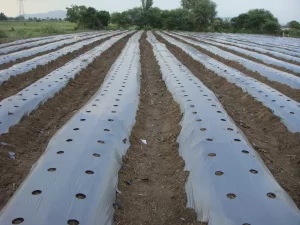
| Mulching Only | Moisture conservation | Does not reduce sunlight |
| Greenhouses | Maximum control | Higher setup costs |
Combining agricultural netting for vegetables with irrigation and mulching delivers the best results.
Shade Net Prices in Kenya
The cost of tomato farming shade nets varies depending on:
- Shade percentage
- UV treatment
- Material quality
- Roll size
Premium UV-stabilized nets may cost more initially but provide:
- Longer lifespan
- Better crop protection
- Improved durability under East African weather conditions
Cheap low-quality nets often deteriorate quickly under strong UV exposure.
For durable farming products and expert support, visit the Cougar Nets Contact Page.
Common Mistakes Farmers Make When Choosing Shade Nets
Using Excessive Shade
Too much shading can:
- Reduce flowering
- Slow plant growth
- Lower fruit production
Ignoring Ventilation
Even with shade nets, proper airflow is critical for disease prevention.
Buying Non-UV Treated Nets
Low-quality nets degrade rapidly under harsh sunlight.
Incorrect Installation
Loose or poorly mounted nets can:
- Tear during strong winds
- Reduce effectiveness
- Increase maintenance costs
Real-World Tomato Farming Applications in East Africa
Kenya
Farmers in Nairobi and Kisumu use 50 percent shade net systems during dry seasons to maintain stable tomato yields.
Uganda
Commercial vegetable growers in Uganda use agricultural netting for vegetables to reduce water loss and improve fruit quality.
Tanzania
In hotter regions of Tanzania, tomato farmers combine shade nets with drip irrigation for maximum efficiency.
Rwanda
Highland greenhouse farmers in Rwanda use moderate shade levels to balance light and temperature.
People Also Ask
Is 50 percent shade net good for tomatoes?
Yes. A 50 percent shade net is generally the best option for tomato farming in Kenya because it provides sufficient sunlight while reducing excessive heat stress.
Can tomatoes grow under 75 percent shade net?
Tomatoes can grow under 75 percent shade net during seedling stages, but mature plants usually require more sunlight for proper flowering and fruiting.
What color shade net is best for tomatoes?
Green and black UV-treated shade nets are commonly used for tomato farming due to their durability and effective sunlight control.
Do shade nets increase tomato yield?
Yes. Proper tomato farming shade nets can improve fruit quality, reduce stress, and increase overall yields when used correctly.
Where to Buy the Best Shade Net for Tomatoes in Kenya
When buying agricultural netting for vegetables, consider:
- UV stabilization
- Durability
- Proper shade percentage
- Professional installation support
Explore reliable farming solutions through:
FAQ Section
What is the best shade net percentage for tomatoes?
The best shade net percentage for tomatoes is usually 50 percent because it balances sunlight exposure and temperature control. It helps reduce heat stress while maintaining healthy fruit production in Kenya and East Africa.
Can tomatoes grow without shade nets in Kenya?
Yes, tomatoes can grow without shade nets, but during hot seasons excessive sunlight may reduce yields, increase water loss, and damage fruits. Shade nets improve overall crop performance.
Is 30 percent shade net enough for tomatoes?
A 30 percent shade net may work well in cooler regions or during rainy seasons where temperatures are moderate and sunlight intensity is lower.
Why do tomato farmers use 50 percent shade net?
Tomato farmers use 50 percent shade net because it reduces excessive heat while still allowing sufficient sunlight for flowering, fruit setting, and healthy plant growth.
How long do agricultural shade nets last?
High-quality UV-treated agricultural netting for vegetables can last several years depending on environmental conditions and installation quality.
Are shade nets suitable for greenhouse farming?
Yes. Shade nets are widely used in greenhouse tomato farming to regulate temperature and improve growing conditions.
Can shade nets reduce water usage?
Yes. Shade nets reduce evaporation and help conserve soil moisture, lowering irrigation requirements.
Which areas in Kenya benefit most from shade nets?
Hot regions such as Mombasa, Kisumu, and semi-arid farming zones benefit greatly from tomato farming shade nets due to high temperatures and strong sunlight exposure.
Contact
Get Your Premium Netting Solutions Today!
For the best quality netting solutions for farming, construction, home, or any other project, look no further than Cougar Nets. Our team of experts is ready to help you choose the perfect product for your needs.
NATIONWIDE & EAST AFRICA DELIVERY AVAILABLE
Premium quality nets for all applications
Professional installation and expert advice
Bulk orders and custom solutions available
Serving Kenya (Nairobi, Eldoret, Kisumu), Uganda, Tanzania, Rwanda, South Sudan, Ethiopia and beyond.
Contact Us for a Quote:
Cougar Nets Official Website
Email: sales@cougarnets.com | info@cougarnets.com
Phone: +254 706 903 465
Visit Us: Darosa Plaza, Karen Rd, Nairobi