No products in the cart.
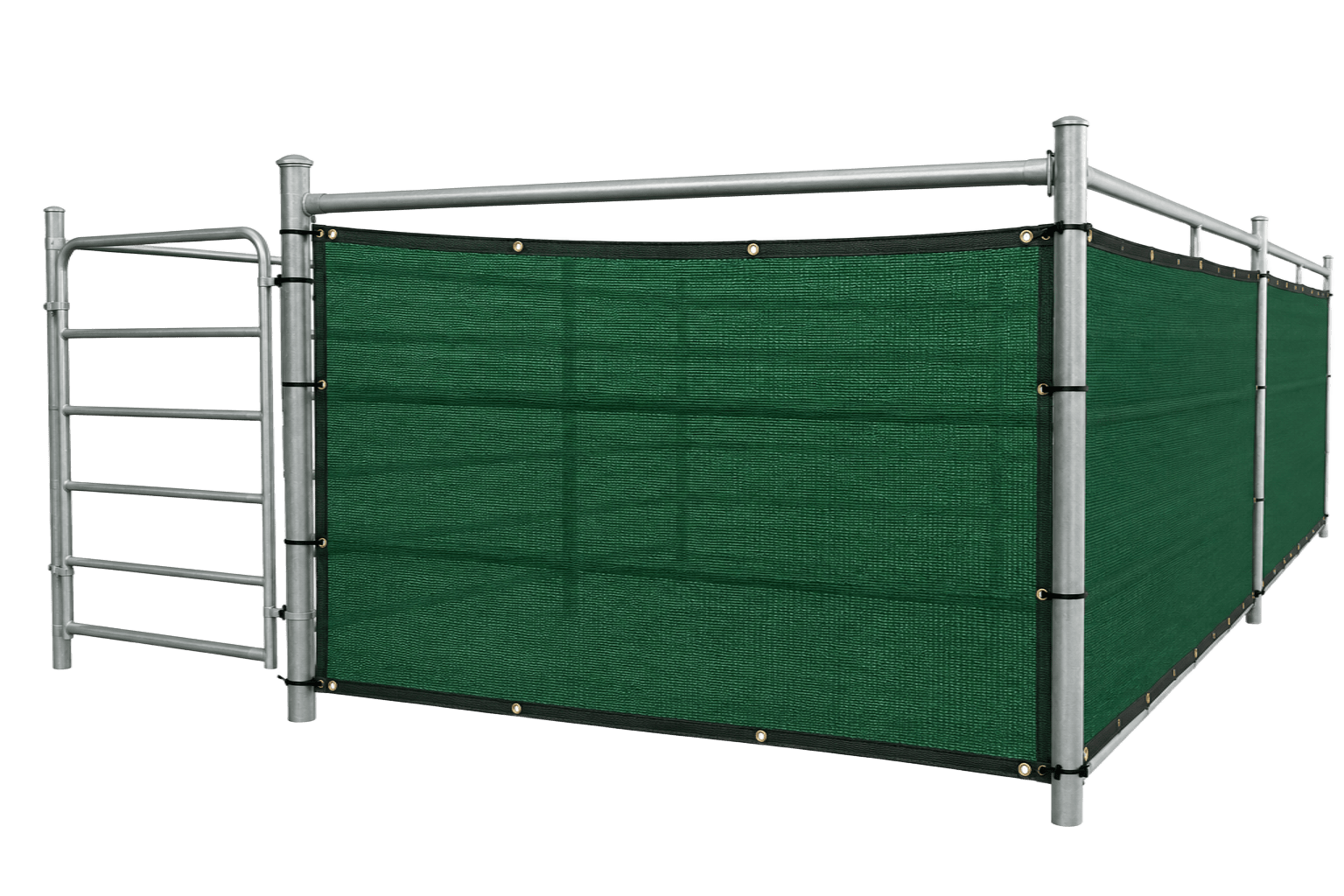
Windbreak netting for zero-grazing units provides dairy farmers with a practical solution for managing cold winds while preserving ventilation in modern cattle housing systems. Highland dairy regions in Kenya, including areas around Eldoret, Nyandarua, Nakuru, and parts of the Rift Valley, experience cool temperatures and strong seasonal winds that can affect livestock comfort. Cougar Nets supplies durable agricultural and industrial netting solutions designed for farming applications, helping farmers select reliable wind protection systems that balance airflow, protection, and long-term performance.
Unlike solid barriers that completely block air movement, properly selected windbreak mesh reduces wind speed while allowing controlled ventilation. This helps create a more comfortable environment for dairy cattle in zero-grazing units.
Understanding Windbreak Netting for Zero-Grazing Units and Its Importance
Zero-grazing dairy systems are designed to keep cattle in controlled housing areas where feeding, manure management, and animal care can be efficiently managed. However, these structures must maintain the right environmental balance.
A major challenge in highland farming areas is cold draught exposure.
Strong winds entering cattle housing can contribute to:
- Reduced animal comfort
- Increased stress during cold conditions
- Poor resting conditions
- Uneven temperatures within the shed
At the same time, completely closing a dairy unit can create another problem: poor ventilation.
Poor airflow may lead to:
- Excess humidity
- Heat buildup
- Ammonia accumulation
- Unhealthy air quality
This is why windbreak netting for zero-grazing units is different from ordinary covers. It is designed to slow wind movement while allowing fresh air exchange.
Benefits of Windbreak Netting for Zero-Grazing Units in Kenya
Improved Protection Against Cold Highland Winds
The primary purpose of windbreak netting for zero-grazing units is reducing the impact of strong winds entering livestock shelters.
Dairy farms located in colder regions benefit from wind protection because cattle require a comfortable environment for:
- Resting
- Feeding
- Milk production
- General wellbeing
Windbreak mesh creates a protective zone around open sides of zero-grazing structures.
Better Ventilation Without Trapping Ammonia
One of the biggest mistakes in livestock housing is blocking ventilation completely.
A solid wall may stop wind, but it can also reduce air exchange.
Quality windbreak mesh provides:
- Controlled airflow
- Reduced wind speed
- Better air movement
- Improved shed conditions
This is especially important because dairy units produce moisture and gases that need to escape.
A properly installed windbreak netting for zero-grazing units system helps protect animals from cold draughts without creating a closed environment.
Improved Dairy Housing Comfort
Comfortable cattle housing contributes to better farm management.
Wind protection can help create:
- More stable temperatures
- Cleaner resting areas
- Better shelter conditions
- Improved daily animal care
For professional dairy farmers in Kenya, livestock comfort is an important consideration when designing modern zero-grazing units.
How Windbreak Netting for Zero-Grazing Units Works
Windbreak systems work by reducing wind pressure before it reaches the animal housing area.
The mesh structure allows some air movement while slowing strong gusts.
Wind Reduction Principle
Instead of stopping wind completely, the mesh creates a gradual reduction zone.
This provides:
- Less direct wind exposure
- Reduced turbulence
- Improved comfort near resting areas
The effectiveness depends on:
- Mesh porosity
- Installation height
- Direction of prevailing winds
- Shed design
Choosing the Best Windbreak Netting for Zero-Grazing Units
Selecting the correct windbreak mesh requires understanding the farm environment.
1. Consider Mesh Porosity
Porosity refers to the percentage of open space within the mesh.
| Windbreak Type | Airflow Level | Application |
|---|---|---|
| Low porosity mesh | Higher wind reduction | Very exposed areas |
| Medium porosity mesh | Balanced airflow and protection | Dairy housing |
| High porosity mesh | More ventilation | Mild wind conditions |
The ideal windbreak netting for zero-grazing units depends on local climate conditions and shed design.
2. Evaluate Material Durability
Outdoor livestock environments expose netting to:
- Sunlight
- Rain
- Dust
- Animal contact
- Temperature changes
Quality agricultural mesh should provide:
- UV resistance
- Tear resistance
- Long service life
- Easy maintenance
Kenya’s varied climate requires materials suitable for both highland and warmer regions.
Windbreak Netting for Zero-Grazing Units Installation Guide
Correct installation is essential for maximum performance.
Step 1: Identify Wind Direction
Before installation, farmers should assess:
- Common wind direction
- Open sides of the shed
- Areas where animals experience draughts
The mesh should be positioned where it provides the greatest protection.
Step 2: Select Suitable Curtain Height
Curtain height depends on:
- Building design
- Animal area
- Wind exposure
- Required ventilation
A properly positioned windbreak system protects cattle while maintaining upper-level air exchange.
Step 3: Install Strong Support Structures
Professional installation should include:
- Secure fixing points
- Strong frames
- Proper tensioning
- Durable mounting systems
A poorly installed system may sag, tear, or fail during strong winds.
Windbreak Netting for Zero-Grazing Units vs Solid Barriers
Farmers often compare windbreak mesh with permanent walls.
| Feature | Windbreak Netting | Solid Wall |
|---|---|---|
| Wind protection | Excellent | Excellent |
| Natural airflow | Maintained | Limited |
| Ventilation control | Flexible | Reduced |
| Installation flexibility | High | Lower |
| Suitable for dairy housing | Yes | Requires ventilation planning |
For many dairy farms, mesh provides a better balance between protection and airflow.
Applications of Windbreak Netting for Zero-Grazing Units Across Kenya
Highland Dairy Farms
Areas such as:
- Eldoret
- Nakuru
- Nyandarua
- Kericho
- Mount Kenya regions
experience cooler conditions where wind protection can improve cattle housing comfort.
Commercial Dairy Units
Large farms use windbreak systems for:
- Zero-grazing sheds
- Calf housing areas
- Milking zones
- Feed areas
Smallholder Dairy Farms
Smaller farms can use targeted wind protection around exposed sections of cattle housing.
Windbreak Netting for Zero-Grazing Units Prices in Kenya
The cost of windbreak netting for zero-grazing units depends on several factors:
- Mesh specification
- Porosity level
- Coverage area
- Installation design
- Support structure requirements
Farmers should consider long-term value rather than only the purchase price.
Important buying considerations include:
- Expected lifespan
- Weather resistance
- Maintenance needs
- Suitability for local climate
Where to Buy Windbreak Netting for Zero-Grazing Units in Kenya
Cougar Nets provides professional netting solutions for agricultural, construction, and industrial applications across Kenya and East Africa.
Farmers can explore related agricultural products through the Cougar Nets poultry farming solutions and browse available solutions through the Cougar Nets online shop.
For customized recommendations, bulk supply, and project guidance, customers can contact the Cougar Nets team through the Cougar Nets contact page.
The company also provides a wide range of professional solutions through its hardware products category and other agricultural applications.
Frequently Asked Questions About Windbreak Netting for Zero-Grazing Units
What is windbreak netting for zero-grazing units?
Windbreak netting for zero-grazing units is a livestock protection mesh used to reduce cold wind exposure while maintaining airflow inside dairy housing structures. It helps farmers create more comfortable cattle environments without completely blocking ventilation.
Does windbreak netting stop all wind?
No. Quality windbreak mesh reduces wind speed rather than completely blocking airflow. This allows ventilation while protecting animals from strong cold draughts.
Can windbreak netting trap ammonia in dairy sheds?
When correctly selected and installed, windbreak netting supports ventilation and should not create the same airflow restrictions as fully enclosed walls.
Which farms benefit from windbreak mesh?
Highland dairy farms, zero-grazing units, calf shelters, and livestock housing structures exposed to strong winds can benefit from windbreak systems.
How high should windbreak netting be installed?
The correct height depends on shed design, animal area, and local wind patterns. Professional assessment helps determine the best installation approach.
Is windbreak netting suitable for Kenyan weather?
Yes. UV-resistant agricultural windbreak mesh can perform well in Kenyan conditions when selected according to location and application.
Get Your Premium Netting Solutions Today!
For the best quality netting solutions for farming, construction, home, or any other project, look no further than Cougar Nets. Our team of experts is ready to help you choose the perfect product for your needs.
NATIONWIDE & EAST AFRICA DELIVERY AVAILABLE
Premium quality nets for all applications
Professional installation and expert advice
Bulk orders and custom solutions available
Serving Kenya (Nairobi, Eldoret, Kisumu), Uganda, Tanzania, Rwanda, South Sudan, Ethiopia and beyond.
Contact Us for a Quote:
Cougar Nets
Email: sales@cougarnets.com | info@cougarnets.com
Phone: +254 706 903 465
Visit Us: Darosa Plaza, Karen Rd, Nairobi
Website: https://cougarnets.co.ke