No products in the cart.
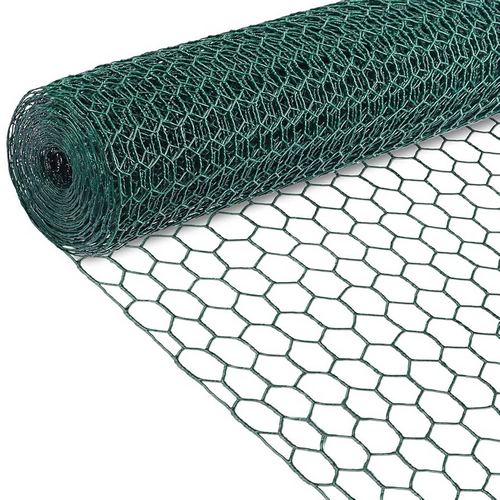
How to Choose Netting for Your Needs in Kenya (2026 Guide)
Knowing how to choose netting in Kenya is essential for farmers, builders, fishers, and homeowners who want durable and cost-effective solutions. Kenya’s diverse climate conditions—from strong UV exposure in Nairobi to humid coastal weather in Mombasa and aquatic environments in Kisumu—require different types of mesh solutions.
Choosing the wrong net can lead to fast wear and tear, increased costs, and poor performance. On the other hand, selecting the right material improves efficiency, safety, and long-term usability across agriculture, construction, fishing, and home applications.
How to Choose Netting for Different Uses in Kenya
Selecting the right net starts with identifying its purpose. Each application requires different strength levels, durability standards, and design structures.
Common uses include:
- Agricultural shading and crop protection
- Construction safety and scaffolding protection
- Fishing and aquaculture systems
- Home fencing and garden protection
Each of these requires specific mesh properties to perform effectively under Kenyan environmental conditions.
Choose Netting Based on Material Type and Strength
Material selection is the most critical factor when deciding how to choose netting.
Explore: Home & Garden Netting
HDPE netting
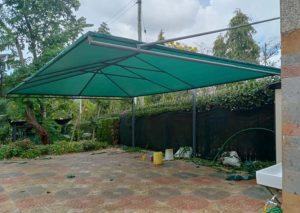
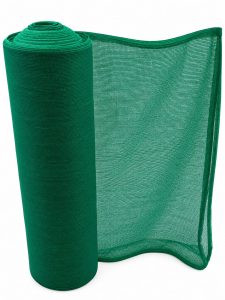
HDPE (High-Density Polyethylene) is widely used in agriculture due to its UV resistance and long lifespan. It is lightweight yet strong, making it ideal for greenhouse farming and crop shading systems.
PVC netting
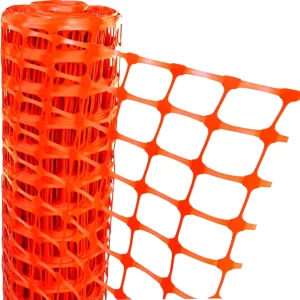
PVC-coated nets are designed for heavy-duty applications such as construction safety and industrial protection systems. They offer high tensile strength and excellent resistance to harsh weather conditions.
Explore: Hardware Safety Nets
Nylon netting
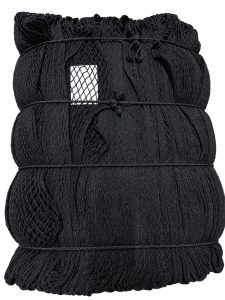
Nylon nets are flexible and strong, making them ideal for fishing, aquaculture, and water-based environments. They perform well under continuous exposure to moisture.
Explore: Fishing Equipment
Choose Netting for Agriculture, Construction, and Fishing in Kenya
Agriculture
Used for greenhouse shading, crop protection, and improving yield quality by controlling sunlight exposure.
Construction
Used for scaffolding protection, debris control, and improving on-site safety compliance in urban projects.
Fishing & Aquaculture
Used in fish cages, lake fishing systems, and aquaculture farms to improve productivity and survival rates.
Choose Netting Based on Environmental Conditions in Kenya
Kenya’s environmental diversity plays a key role in net selection.
- Nairobi: High UV exposure requires UV-resistant materials
- Mombasa: Coastal humidity requires corrosion-resistant nets
- Kisumu: Aquatic systems require water-resistant nylon nets
- Rift Valley: Agricultural zones require shading and crop protection nets
Matching net type with environment ensures longer durability and better performance.
Guide to Choose Netting for Long-Term Durability
Durability depends on several technical and environmental factors:
- Material quality and polymer grade
- UV treatment level for outdoor use
- Mesh density (GSM rating)
- Proper installation and tension control
- Maintenance and inspection frequency
Higher-quality nets may cost more initially but significantly reduce replacement and repair costs over time.
Common Mistakes When You Choose Netting in Kenya
Many buyers make avoidable mistakes that reduce performance:
- Selecting the wrong material for the application
- Ignoring UV protection requirements
- Choosing low-cost nets without durability checks
- Using agricultural nets for industrial purposes
Avoiding these mistakes ensures better efficiency and long-term savings.
Cost Factors When You Choose Netting in Kenya
Pricing varies depending on:
- Material type (HDPE, PVC, nylon)
- Mesh density and GSM rating
- Application complexity
- Supplier quality and warranty
Investing in high-quality netting reduces long-term operational costs.
Installation Tips After You Choose Netting
Proper installation improves performance significantly:
- Maintain correct tension during setup
- Use strong support structures
- Avoid sharp edges that damage mesh
- Conduct regular inspections for wear and tear
Good installation ensures maximum lifespan and safety.
Benefits of Choosing the Right Netting in Kenya
- Improved durability and performance
- Enhanced safety across industries
- Reduced maintenance and replacement costs
- Better productivity in agriculture and fishing
- Long-term cost efficiency
People Also Ask
How do I choose netting in Kenya?
You should choose netting based on material type, environment, and intended application such as farming, construction, or fishing.
What is the best netting for farming in Kenya?
HDPE netting is best due to UV resistance and durability under outdoor conditions.
Which netting is best for construction use?
PVC-coated netting is ideal for safety and heavy-duty industrial applications.
Why is nylon netting used in fishing?
Nylon is strong, flexible, and water-resistant, making it ideal for aquatic environments.
Conclusion
Selecting the right netting is not just about price—it is about performance, durability, and suitability for Kenyan conditions. Whether for farming, construction, fishing, or home use, choosing the correct material ensures long-term value and efficiency.
Call To Action
Get Expert Help to Choose Netting Today! Cougar Nets provides high-quality farming, construction, fishing, and home mesh solutions across Kenya and East Africa.
Contact Information
For pricing, bulk orders, or expert consultation:
Cougar Nets
Email: sales@cougarnets.com | info@cougarnets.com
Phone: +254 706 903 465
Location: Darosa Plaza, Karen Rd, Nairobi, Kenya
Website: https://cougarnets.co.ke/