No products in the cart.
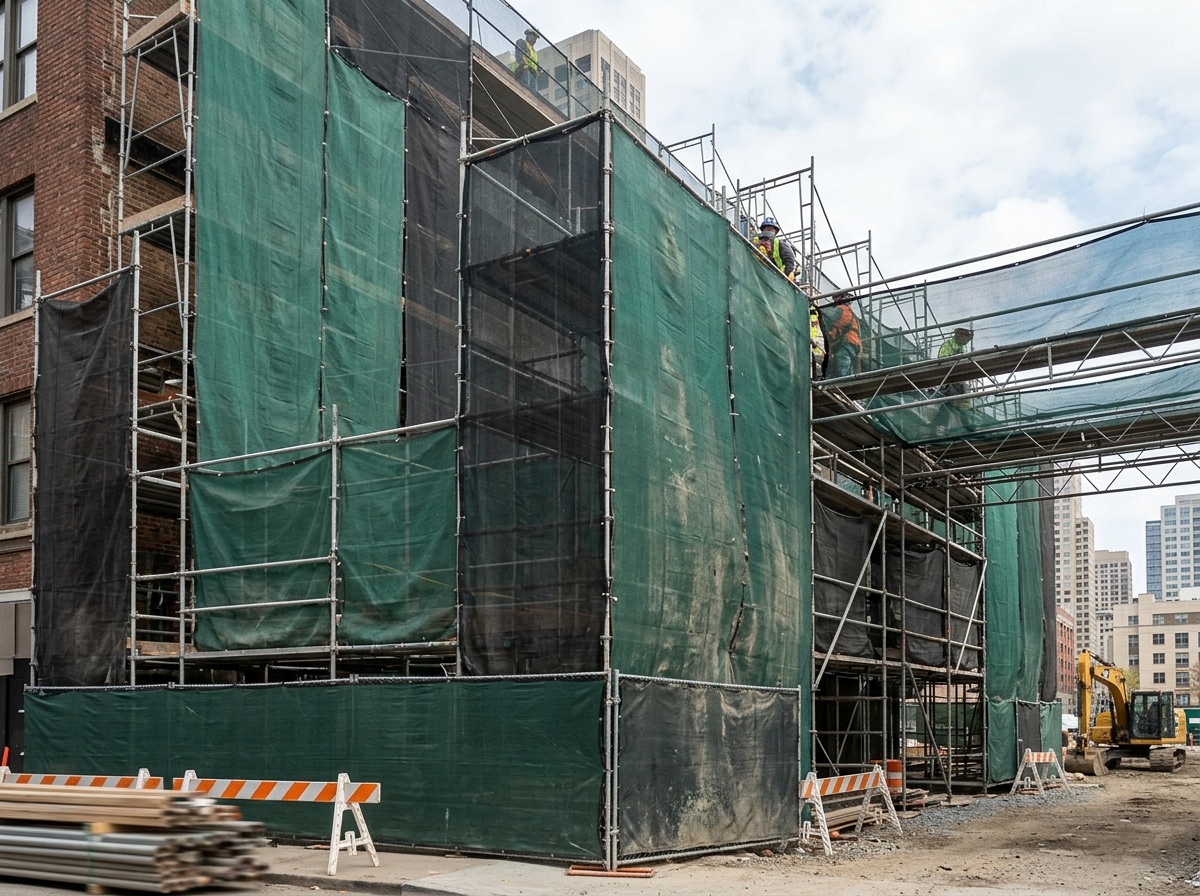
Construction dust screens in Kenya have become essential for compliance with municipal safety regulations, especially in fast-growing urban centers such as Nairobi, Mombasa, Kisumu, and Eldoret. As construction activity increases across East Africa, regulators are enforcing stricter environmental standards to reduce dust pollution from building sites and protect public health.
In this environment, companies like Cougar Nets provide durable, UV-stabilized construction dust screens designed for effective site dust control, scaffolding enclosure, and regulatory compliance across different project scales.
You can learn more about the company here:
About Cougar Nets
From high-rise developments in Nairobi’s Upper Hill to infrastructure expansion in Mombasa and residential construction in the Rift Valley, dust screens are now a mandatory part of modern construction site management and environmental approval processes.
What Are Construction Dust Screens in Kenya?
Construction dust screens are industrial-grade mesh barriers installed on scaffolding or perimeter fencing to reduce the spread of airborne dust, fine particles, and construction debris.
They are widely used in:
- High-rise construction projects in Nairobi
- Road and infrastructure developments
- Demolition and renovation sites
- Commercial and residential building projects
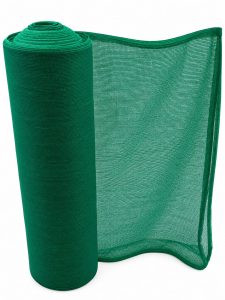
These screens are manufactured using UV-stabilized HDPE material designed to withstand Kenya’s harsh sunlight, wind exposure, and long construction cycles.
Explore available solutions here:
Shop Construction Dust Screens
Importance of Construction Dust Screens in Municipal Safety Regulations
Construction dust screens are a critical requirement for meeting municipal safety regulations in Kenya, particularly in urban counties like Nairobi City County.
They help ensure:
- Controlled dust emissions from active construction sites
- Reduced environmental pollution in surrounding communities
- Proper site enclosure during building and demolition works
- Compliance with environmental inspection standards
Failure to install proper dust control systems can result in fines, project delays, or suspension of permits.
For compliance-ready consultations, contact here:
Contact Cougar Nets
Benefits of Construction Dust Screens for Site Dust Control
Construction dust screens significantly improve site dust control by reducing airborne particles generated during drilling, cutting, excavation, and demolition.
Key benefits include:
- Improved air quality around construction zones
- Reduced dust exposure for workers and pedestrians
- Better protection for nearby businesses and residential areas
- Stronger compliance with environmental safety requirements
In dense urban zones like Nairobi CBD, dust control is essential for maintaining safety and operational continuity.
How Construction Dust Screens Improve Site Dust Control Efficiency
Construction dust screens improve efficiency by acting as both a physical and aerodynamic barrier.
They work by:
- Reducing wind speed across scaffolding structures
- Capturing airborne dust particles on mesh surfaces
- Limiting outward dispersion of fine debris
- Allowing controlled airflow while maintaining containment
This makes them significantly more effective than temporary methods like water spraying.
Types of Construction Dust Screens Used in Kenya
Standard construction dust screens are used for general scaffolding enclosure and moderate dust control in residential and commercial projects.
Heavy-duty construction dust screens are designed for demolition sites requiring maximum containment.
UV-stabilized construction dust screens are used for long-term high-rise projects exposed to intense sunlight.
Hybrid construction dust screens combine dust control with UV protection and worker comfort.
Technical Specifications of Construction Dust Screens
| Feature | Specification | Function |
|---|---|---|
| Material | UV-stabilized HDPE | Durability |
| GSM Range | 50–200 GSM | Dust control strength |
| Mesh Design | Controlled airflow structure | Wind reduction |
| UV Resistance | 3–5 years | Outdoor lifespan |
| Colors | Green / Blue | Visibility |
In Nairobi projects, 90–150 GSM screens are the most commonly used for balanced dust control performance.
Construction Dust Screens vs Alternative Dust Control Methods
| Method | Effectiveness | Cost | Suitability |
|---|---|---|---|
| Construction dust screens | High | Medium | Urban construction sites |
| Water spraying | Medium | Low | Temporary dust suppression |
| Tarpaulins | Low | Low | Short-term coverage |
Construction dust screens remain the most reliable compliance solution.
How to Choose the Best Construction Dust Screens in Kenya
Choosing the right dust screens depends on project scale and environmental exposure.
Key considerations:
- High-rise vs residential construction
- UV intensity and weather conditions
- Required GSM strength
- Municipal compliance standards
For certified solutions, contractors rely on Cougar Nets for quality and compliance-ready materials.
Construction Dust Screens Pricing in Kenya
Pricing depends on GSM, UV treatment, material density, and project scale.
Lightweight screens are used for small projects, medium-grade screens dominate Nairobi construction sites, and heavy-duty options are used for infrastructure and demolition works.
Bulk orders significantly reduce cost per square meter for contractors.
Use Cases of Construction Dust Screens in East Africa
Dust screens are widely used across East Africa:
- Nairobi: High-rise commercial construction and urban developments
- Mombasa: Coastal infrastructure and port projects
- Kisumu: Public infrastructure and lakeside developments
- Eldoret: Residential and institutional construction
FAQ About Construction Dust Screens
1. What are dust screens used for?
Dust screens are used to control airborne dust and debris on construction sites. They improve site dust control, protect nearby communities, and ensure compliance with municipal environmental regulations in Kenya.
2. How do dust screens help with site dust control?
They reduce wind flow across scaffolding and trap fine dust particles on mesh surfaces, preventing dust from spreading beyond construction zones.
3. Are dust screens required by municipal safety regulations in Kenya?
Yes. In urban counties like Nairobi, they are widely required as part of environmental compliance and inspection standards.
4. What materials are used to make dust screens?
They are made from UV-stabilized HDPE mesh designed for durability, weather resistance, and long-term outdoor use.
5. How long do dust screens last?
Typically between 3 and 5 years depending on UV exposure and site conditions.
6. Can dust screens be used on high-rise buildings?
Yes, they are commonly installed on scaffolding systems in high-rise construction projects in Nairobi and other cities.
7. Where can I buy dust screens in Kenya?
You can purchase them directly from Cougar Nets or explore products here:
Shop Cougar Nets
Call To Action
Get Your Premium Netting Solutions Today! For the best quality netting solutions for farming, construction, home, or any other project, look no further than Cougar Nets. Our team of experts is ready to help you choose the perfect product for your needs.
NATIONWIDE & EAST AFRICA DELIVERY AVAILABLE
Premium quality nets for all applications
Professional installation and expert advice
Bulk orders and custom solutions available
Serving Kenya (Nairobi, Eldoret, Kisumu), Uganda, Tanzania, Rwanda, South Sudan, Ethiopia and beyond.
Contact Us for a Quote:
Cougar Nets
Email: sales@cougarnets.com | info@cougarnets.com
Phone: +254 706 903 465
Visit Us: Darosa Plaza, Karen Rd, Nairobi
Website: https://cougarnets.co.ke/