No products in the cart.
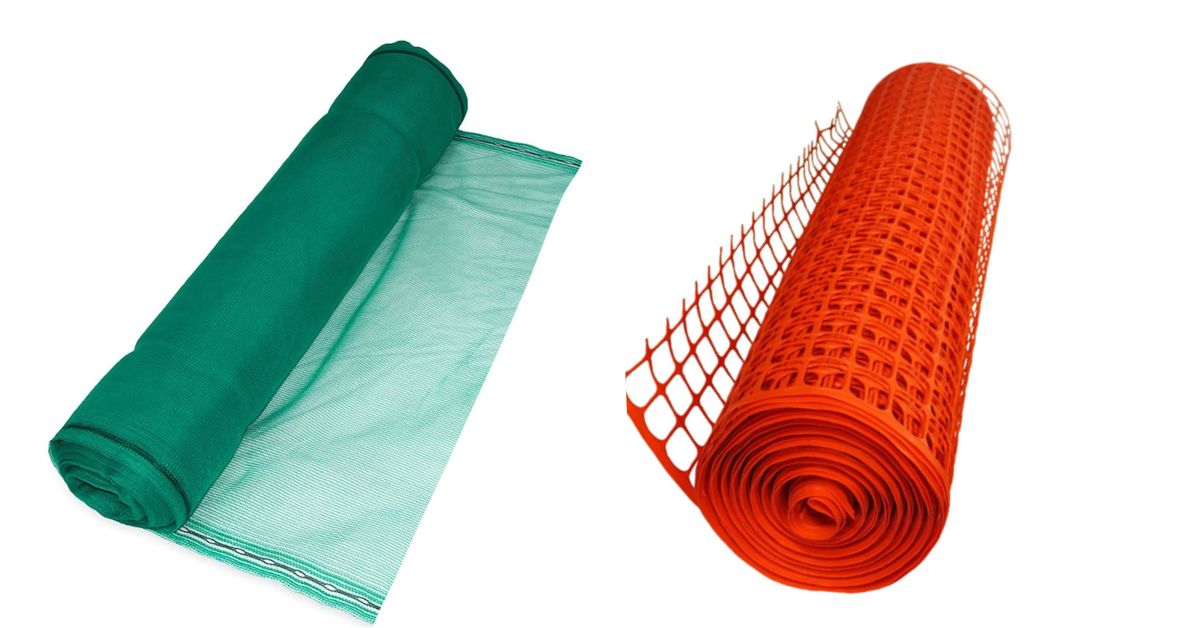
Construction safety nets in Kenya are protective netting systems installed on building sites to prevent workers, tools, and debris from falling, significantly reducing accidents and fatalities. They are essential in modern construction because they improve site safety, ensure compliance with safety regulations, and protect both workers and the public in high-risk environments across Kenya and East Africa.
Construction safety nets in Kenya have become a critical requirement in modern building and infrastructure projects due to increasing urban development and stricter safety expectations. From high-rise buildings in Nairobi to coastal developments in Mombasa and industrial projects in Kisumu and Eldoret, safety netting solutions are now a core part of construction safety systems.
As a trusted supplier of industrial netting solutions, Cougar Nets provides durable, high-performance construction safety nets designed for East African conditions, including strong UV exposure, wind loads, and heavy-duty site usage. These nets are widely used to reduce accidents, improve compliance, and enhance productivity on construction sites across Kenya and the wider region.
This guide explores why safety nets are essential in construction, how they work, types available, pricing insights, and how to choose the right solution for your project.
Why Construction Safety Nets Are Essential in Kenya
Construction safety nets are no longer optional—they are a fundamental requirement for safe and compliant building operations. Their importance continues to grow as Kenya expands its infrastructure and real estate development.
1. Preventing Workplace Falls and Fatalities
Falls remain one of the leading causes of construction injuries globally. Safety nets act as a secondary fall arrest system, reducing injury severity or preventing death entirely.
2. Protecting Workers and the Public
In urban areas like Nairobi and Mombasa, construction sites are often close to pedestrian zones. Safety nets prevent tools, debris, and materials from falling onto people below.
3. Enhancing Construction Efficiency
When workers feel safe, productivity increases. Safety nets reduce downtime caused by accidents and inspections.
4. Legal and Compliance Requirements
Kenya’s occupational safety frameworks require construction companies to implement protective systems such as netting, guardrails, and PPE.
5. Weather Protection
Safety nets also help reduce wind-blown debris, especially in high-rise developments exposed to strong winds.
Types of Construction Safety Nets Used in Kenya
Different construction projects require different netting solutions depending on height, structure, and risk level.
1. Debris Safety Nets
Used to catch falling materials such as bricks, tools, and construction waste.
2. Fall Protection Nets
Installed beneath elevated work areas to protect workers from falling.
3. Scaffold Safety Nets
Attached around scaffolding structures to prevent material displacement and improve site safety.
4. Shade & Protective Nets
Used in dusty or high-UV environments to improve visibility and worker comfort.
(See related solutions: Construction Shade Nets in Kenya)
Technical Specifications of Construction Safety Nets
Understanding technical standards helps ensure you choose the right net for your project.
Key Parameters
| Specification | Description |
|---|---|
| Material | High-density polyethylene (HDPE) |
| UV Resistance | High (suitable for Kenyan climate) |
| Mesh Size | 25mm – 100mm depending on use |
| Strength | High tensile load capacity |
| Lifespan | 3–7 years depending on usage |
| Color Options | Green, blue, black |
Why Material Matters
HDPE nets are preferred because they:
- Resist UV degradation in Nairobi’s strong sun
- Withstand coastal humidity in Mombasa
- Maintain durability in dusty inland regions like Eldoret
How to Install Construction Safety Nets (Step-by-Step Guide)
Proper installation ensures maximum safety and compliance.
Step 1: Site Assessment
Identify high-risk fall zones such as scaffolding edges and elevated floors.
Step 2: Anchor Point Setup
Install secure anchor points using steel hooks or reinforced frames.
Step 3: Net Positioning
Stretch the net horizontally or vertically depending on application.
Step 4: Secure Fastening
Use high-tensile ropes or clips to ensure tight installation.
Step 5: Load Testing
Apply controlled weight checks to verify stability.
Step 6: Regular Inspection
Inspect weekly for wear, tears, or slackness.
Construction Safety Nets Prices in Kenya (2026 Overview)
Prices vary depending on material strength, size, and application.
| Type | Price Range (KES) |
|---|---|
| Basic Debris Nets | 25 – 60 per sq ft |
| Heavy-Duty Safety Nets | 60 – 120 per sq ft |
| Scaffold Nets | 80 – 150 per sq ft |
| Custom Industrial Nets | Quoted per project |
Factors Affecting Price
- UV resistance level
- Mesh density
- Installation complexity
- Project scale
For accurate pricing, visit:
Cougar Nets Shop
Safety Standards and Compliance in Kenya
Construction safety is governed by occupational safety frameworks that emphasize fall protection systems.
Key Compliance Requirements
- Use of certified safety equipment
- Proper installation of fall protection systems
- Regular inspection logs
- Worker safety training
Kenyan contractors must also comply with tax compliance systems such as eTIMS when procuring construction materials and services.
Use Cases of Construction Safety Nets in East Africa
Construction safety nets are widely used across multiple sectors:
1. High-Rise Buildings (Nairobi)
Used in skyscraper construction to prevent fatal falls.
2. Coastal Infrastructure (Mombasa)
Protects against wind-blown debris and salt-air degradation.
3. Industrial Projects (Kisumu)
Used in factories and warehouses for overhead safety.
4. Agricultural Construction (Rift Valley – Eldoret)
Supports silos, barns, and storage structures.
How to Choose the Best Construction Safety Nets
Selecting the right net ensures safety and long-term durability.
Key Considerations
- Load capacity requirements
- Environmental conditions
- Mesh size suitability
- UV resistance level
- Certification and supplier credibility
You can explore durable options here:
Hardware & Construction Equipment
Benefits of Using High-Quality Safety Nets
- Reduces workplace accidents significantly
- Improves worker confidence
- Enhances regulatory compliance
- Reduces project delays
- Protects public safety in urban zones
Comparison: Safety Nets vs Traditional Safety Methods
| Safety Method | Effectiveness | Limitations |
|---|---|---|
| Safety Nets | High | Requires proper installation |
| Helmets Only | Medium | No fall protection |
| Guardrails | Medium | Limited coverage |
| Warning Signs | Low | Not physical protection |
Safety nets provide active physical protection, making them one of the most effective safety solutions.
People Also Ask (PAA)
What are construction safety nets used for?
Construction safety nets are used to prevent falls, catch debris, and protect workers and the public from accidents on construction sites. They are essential in high-rise and industrial construction projects across Kenya.
Are safety nets required by law in Kenya?
Yes. Construction safety regulations in Kenya require employers to implement fall protection systems, including safety nets, especially in high-risk construction environments.
How long do construction safety nets last?
High-quality HDPE safety nets typically last between 3 to 7 years depending on exposure to UV rays, weather conditions, and maintenance practices.
What is the cost of safety nets in Kenya?
Prices range from KES 25 to 150 per square foot depending on material quality, mesh size, and application requirements.
Can safety nets be reused?
Yes, if properly maintained and not damaged, safety nets can be reused across multiple construction projects after inspection.
Where to Buy Construction Safety Nets in Kenya
For reliable and durable netting solutions, choose a supplier with proven expertise in industrial and agricultural applications.
You can explore trusted solutions here:
- Cougar Nets Kenya
- Home & Garden Netting Solutions
- Cougar Nets FAQs
- Contact Cougar Nets
About Cougar Nets
FAQ Section
1. Why are construction safety nets important?
Construction safety nets are important because they prevent injuries and fatalities caused by falls or falling debris. They create a protective barrier that enhances overall site safety, especially in high-rise construction environments in Kenya.
2. What materials are used in safety nets?
Most construction safety nets are made from HDPE (High-Density Polyethylene), which is strong, UV-resistant, and suitable for harsh outdoor conditions commonly found in Kenya.
3. How are safety nets installed on construction sites?
Safety nets are installed using anchor points, ropes, and fastening systems. They are stretched tightly across scaffolding or open edges to catch falling objects and provide fall protection.
4. Do safety nets improve construction efficiency?
Yes. Safety nets reduce accidents and downtime, allowing construction projects to proceed without frequent interruptions caused by safety incidents.
5. Are safety nets required for all construction projects?
While requirements vary, most medium and large-scale construction projects in Kenya are required to implement fall protection systems, including safety nets.
6. How do I maintain construction safety nets?
Regular inspection, cleaning, and checking for tears or wear ensure safety nets remain effective and compliant with safety standards.
Get Your Premium Netting Solutions Today! For the best quality netting solutions for farming, construction, home, or any other project, look no further than Cougar Nets. Our team of experts is ready to help you choose the perfect product for your needs.
NATIONWIDE & EAST AFRICA DELIVERY AVAILABLE
✔ Premium quality nets for all applications
✔ Professional installation and expert advice
✔ Bulk orders and custom solutions available
Serving Kenya (Nairobi, Eldoret, Kisumu), Uganda, Tanzania, Rwanda, South Sudan, Ethiopia and beyond.
Contact Us for a Quote:Cougar Nets
Email: sales@cougarnets.com | info@cougarnets.com
Phone: +254 706 903 465
Visit Us: Darosa Plaza, Karen Rd, Nairobi
Website: cougarnets.co.ke