No products in the cart.
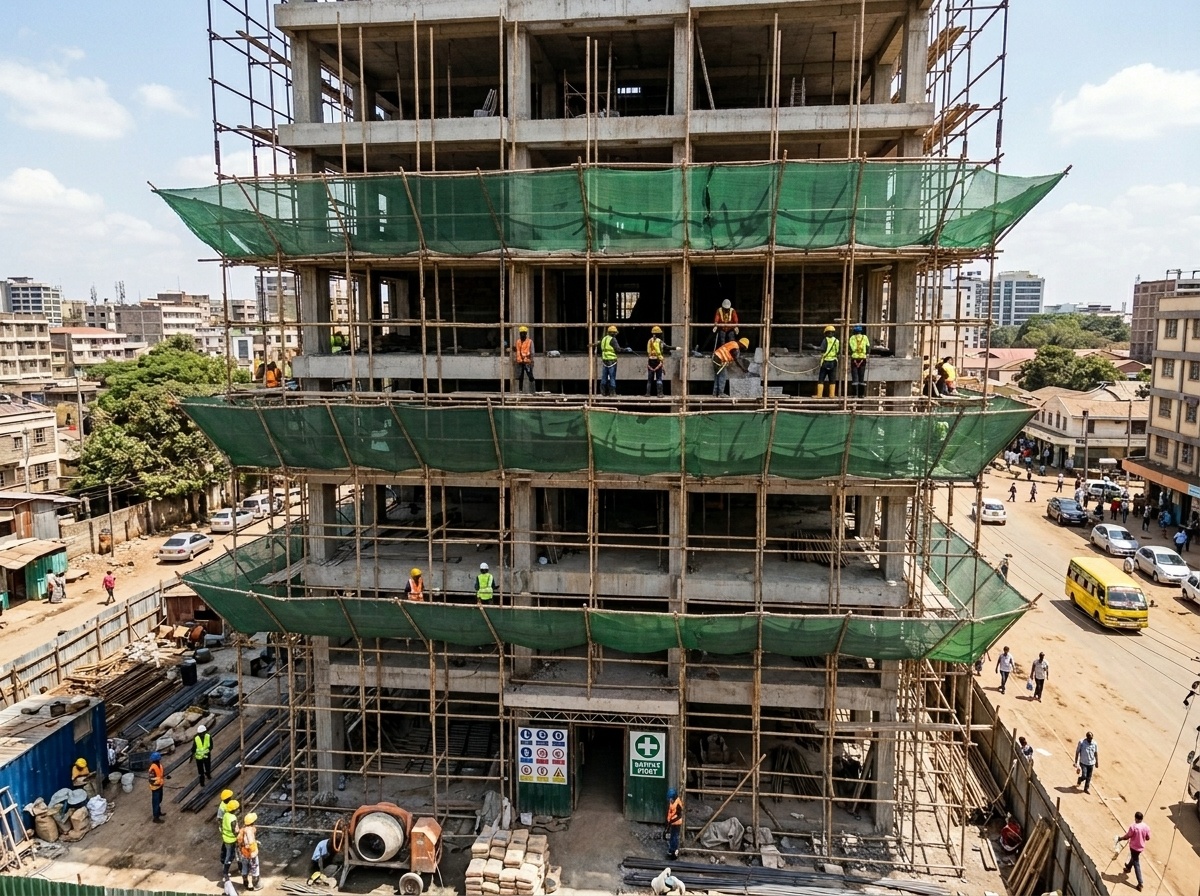
Construction site safety Kenya have become a foundational safety requirement across Kenya’s rapidly expanding construction industry. As urban development accelerates in cities such as Nairobi, Mombasa, Kisumu, and Eldoret, contractors are under increasing pressure to improve worker safety, reduce accidents, and comply with evolving construction regulations.
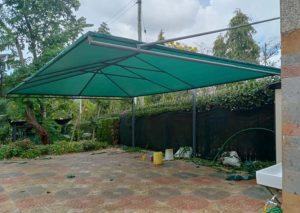
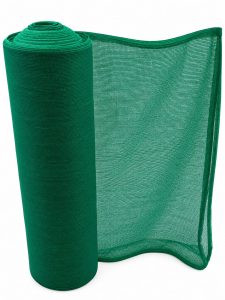
In these environments, construction shade nets are no longer optional—they are a practical safety necessity. They provide critical protection against extreme sunlight, airborne dust, and falling debris, all of which are major hazards on active construction sites.
Kenya’s equatorial climate makes heat stress a serious occupational risk, particularly for outdoor laborers working on scaffolding and high-rise structures. At the same time, rapid vertical construction increases the danger of falling tools, materials, and rubble. This combination makes construction shade nets and debris containment systems essential for modern site safety.
Companies such as Cougar Nets supply industrial-grade construction shade nets designed for durability, UV resistance, and compliance with safety expectations across East Africa.
This guide provides a complete breakdown of how construction shade nets improve worker safety in Kenya, including technical applications, regional use cases, installation systems, and commercial benefits.
Construction Shade Nets for Construction Site Safety Kenya
Construction shade nets play a central role in improving construction site safety Kenya by reducing exposure to environmental hazards and controlling structural risks on active sites.
They act as a multi-layered protective system that improves both worker safety and project efficiency.
Key Safety Functions of Construction Shade Nets:
- Reduce direct UV radiation exposure
- Control falling debris hazards on multi-level sites
- Reduce dust and airborne particles
- Improve thermal comfort for workers
- Enhance visibility and site organization
- Support regulatory safety compliance
Contractors sourcing construction shade nets and safety systems often use:
- Construction safety hardware and materials
- Protective mesh solutions for construction sites
- Full construction safety product catalog
7 Ways Construction Shade Nets Improve Worker Safety in Kenya
1. Heat Stress Reduction on Construction Sites
Kenya experiences high solar radiation levels throughout the year. Workers exposed to direct sunlight for long hours face risks of dehydration, fatigue, and heat stroke.
Construction site safety Kenya reduce heat intensity by filtering UV radiation and lowering ambient temperature on work platforms.
Impact on safety:
- Reduced heat exhaustion cases
- Improved worker endurance
- Higher productivity during peak sun hours
- Fewer medical emergencies on-site
2. Falling Object Protection Through Debris Netting Integration
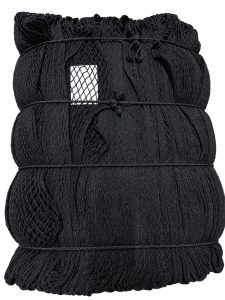
One of the most critical applications of construction site safety Kenya is integration with debris containment systems.
On multi-story buildings, tools, cement blocks, and construction materials often fall from elevated levels. This creates severe safety risks.
With proper debris netting, these materials are captured before reaching lower levels.
Safety outcomes:
- Prevention of fatal injuries
- Protection of ground-level workers
- Reduced liability risks for contractors
3. Improving Construction Site Safety Kenya Compliance
Regulatory compliance is a major requirement in Kenya’s construction industry. Contractors must demonstrate safe working conditions to avoid penalties and project shutdowns.
Construction shade nets help meet construction site safety Kenya requirements by controlling hazards and improving site discipline.
4. Dust Control and Air Quality Improvement
Construction activities generate large amounts of dust from cement mixing, excavation, and demolition.
Shade nets reduce airborne particle spread, improving respiratory health and visibility.
Benefits:
- Reduced lung disease risk
- Improved visibility on-site
- Cleaner surrounding environment
5. Enhancing Worker Productivity and Comfort
Comfortable working conditions directly influence productivity. When workers are not exposed to extreme heat and dust, efficiency increases significantly.
Construction shade nets help create stable microclimates on-site.
6. Material Protection from Weather Damage
Construction materials such as cement, timber, and steel are sensitive to environmental exposure.
Shade nets protect these materials from:
- Excessive sun exposure
- Rain damage
- Contamination from dust
7. Controlled Work Zone Management
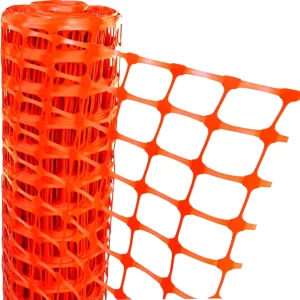
Construction shade nets help define restricted and safe working zones, improving coordination between teams.
This is especially important in large-scale infrastructure projects.
Construction Shade Nets in Nairobi, Mombasa, Kisumu, and Eldoret
Nairobi Construction Sites
High-rise development requires strict construction site safety Kenya compliance and advanced netting systems.
Mombasa Coastal Projects
High humidity and salt exposure require UV-stabilized construction shade nets.
Kisumu Infrastructure Projects
Dust control is critical due to lake-region wind patterns.
Eldoret Construction Zones
Wind resistance and temperature variation require durable netting systems.
Construction Shade Nets for High-Rise Safety Systems
High-rise construction is one of the highest-risk sectors in Kenya.
construction site safety Kenya combined with debris netting systems:
- Protect workers at multiple elevation levels
- Prevent falling object accidents
- Improve scaffold safety systems
Construction Shade Nets vs Open Construction Sites
| Feature | Open Site | With Construction Shade Nets |
|---|---|---|
| Heat exposure | High | Reduced |
| Safety compliance | Weak | Strong |
| Dust control | Poor | Effective |
| Accident risk | High | Reduced |
| Productivity | Unstable | Stable |
Material Types of construction site safety Kenya
HDPE Shade Nets
- High UV resistance
- 3–6 year lifespan
- Best for commercial projects
Nylon Shade Nets
- Flexible
- Cost-effective
- Temporary projects
PVC-Coated Safety Nets
- Heavy-duty industrial use
- Maximum durability
Installation Guide for Construction Shade Nets
Step 1: Install structural framework
Use scaffolding or steel frames.
Step 2: Install construction shade nets
Ensure full coverage without gaps.
Step 3: Integrate debris netting layers
Add secondary protection layers.
Step 4: Perform regular inspections
Check UV wear, tension, and anchoring.
Common Mistakes in Construction Shade Net Usage
- Using low-grade nets for high-rise projects
- Ignoring UV resistance ratings
- Poor anchoring systems
- Not combining with debris netting
Safety Compliance in Kenya Construction Industry
Contractors must ensure:
- OSHA-aligned safety practices
- Certified construction shade nets installation
- Proper PPE usage
- Regular site inspections
Commercial and Economic Benefits
construction site safety Kenya reduce:
- Accident-related downtime
- Insurance costs
- Material wastage
- Project delays
Future of Construction Safety Nets Kenya
As Kenya’s construction sector expands, construction shade nets will become standard requirements in commercial, residential, and infrastructure projects.
FAQ SECTION About construction site safety Kenya
1. What are construction shade nets used for?
They reduce heat, control debris, and improve construction site safety Kenya conditions.
2. How do construction shade nets improve safety?
They reduce heat stress, dust exposure, and falling object risks.
3. Are construction shade nets mandatory in Kenya?
They are highly recommended for high-rise and commercial projects.
4. What is debris netting?
It is a protective mesh system used to catch falling materials.
5. How long do construction shade nets last?
Typically 3–6 years depending on material quality.
Call To Action
Get Your Premium Netting Solutions Today! For the best quality netting solutions for farming, construction, home, or any other project, look no further than Cougar Nets. Our team of experts is ready to help you choose the perfect product for your needs.
NATIONWIDE & EAST AFRICA DELIVERY AVAILABLE
Premium quality nets for all applications
Professional installation and expert advice
Bulk orders and custom solutions available
Serving Kenya (Nairobi, Eldoret, Kisumu), Uganda, Tanzania, Rwanda, South Sudan, Ethiopia and beyond.
Contact Us for a Quote:
Cougar Nets
Email: sales@cougarnets.com | info@cougarnets.com
Phone: +254 706 903 465
Visit Us: Darosa Plaza, Karen Rd, Nairobi
Website: https://cougarnets.co.ke/