No products in the cart.

Understanding Debris Net vs Safety Net in Kenya
The difference between debris net vs safety net is a critical consideration for contractors, developers, and construction professionals across Kenya and East Africa. Although both products are installed around buildings and construction areas, they are designed to solve different safety challenges.
A debris net focuses on controlling falling objects, dust, and lightweight construction materials, while a safety net focuses on protecting workers by absorbing fall impact. Confusing these two products can result in ineffective protection and increased safety risks on construction sites.
As Kenya’s construction industry expands in cities such as Nairobi, Mombasa, Kisumu, and Eldoret, professional contractors require reliable protective systems that match specific site hazards. Cougar Nets is a trusted supplier and industry expert providing durable netting solutions for construction, agriculture, industrial, and commercial applications.
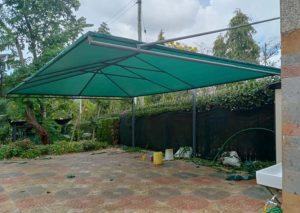
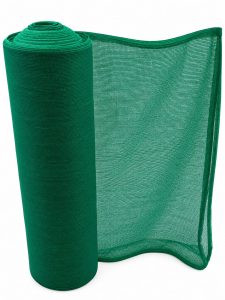
For projects requiring perimeter protection, dust control, and improved site management, contractors can explore professional construction shade nets in Kenya designed for demanding outdoor environments.
Understanding the difference between debris nets and safety nets helps project managers select the correct product, improve worker protection, and avoid costly mistakes.
Debris Net vs Safety Net: Understanding the Critical Difference
Debris Net vs Safety Net Performance in Construction Protection
The biggest difference in the debris net vs safety net comparison is the type of hazard each product is designed to control.
Construction environments experience multiple risks, including:
- Falling tools and materials
- Construction dust
- Loose debris from elevated work areas
- Worker falls from height
- Public exposure around buildings
- Wind movement of construction waste
Each risk requires a specialised solution.
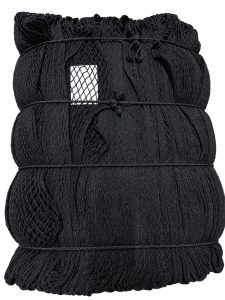
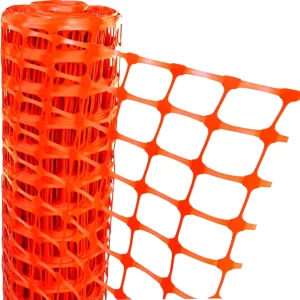
A debris net acts as a containment barrier, while a safety net acts as a fall protection system.
Debris Net vs Safety Net: Purpose Comparison Table
| Feature | Debris Net | Safety Net |
|---|---|---|
| Main purpose | Contain falling materials and dust | Protect workers from falls |
| Protection target | Tools, debris, and surrounding areas | Workers operating at height |
| Impact absorption | Limited | High |
| Fall protection capability | No | Yes |
| Typical installation | Building perimeter and scaffolding | Below elevated work areas |
| Primary users | Site managers and contractors | Height safety teams |
A common mistake is assuming that a strong mesh product can perform every safety function. However, construction nets are manufactured with different materials, designs, and performance characteristics.
A debris net may prevent a small object from leaving a work area, but it is not designed to absorb the energy created by a falling person.
Debris Net vs Safety Net: Why Choosing the Correct Product Matters
Debris Net vs Safety Net Applications for Kenyan Construction Sites
Construction projects across Kenya require different levels of protection depending on the building design, working height, and surrounding environment.
Debris Net Applications
Debris nets are commonly used for:
- Scaffolding enclosure
- Building perimeter protection
- Dust reduction
- Controlling lightweight materials
- Improving public safety around construction zones
For example, a high-rise project in Nairobi may use debris netting around external scaffolding to reduce the risk of construction materials and dust affecting nearby workers, pedestrians, and properties.
Debris nets are especially useful where contractors need visibility control and cleaner working conditions without completely blocking airflow.
Safety Net Applications
Safety nets are designed for:
- High-rise construction
- Open-floor building projects
- Industrial structures
- Bridge construction
- Elevated work zones
Their purpose is to reduce injury risk by providing a protective system beneath areas where workers operate at height.
Why Debris Net vs Safety Net Specifications Affect Site Safety
The technical specifications of a construction net determine how effectively it performs.
When selecting between debris net vs safety net, contractors should evaluate:
- Intended purpose
- Load requirements
- Installation position
- Material strength
- UV resistance
- Environmental conditions
Using the wrong product can create serious safety gaps.
Example:
A debris net installed around scaffolding may successfully contain falling packaging materials and dust. However, if a worker requires fall protection, a specialised safety net designed for impact absorption is necessary.
Likewise, a safety net may protect against worker falls but may not provide sufficient fine-mesh coverage for dust and debris control.
Debris Net vs Safety Net: Comparing Materials, Strength, and Design
Debris Net vs Safety Net Construction Material Differences
Although debris nets and safety nets may appear similar visually, their manufacturing processes and engineering purposes are different.
Debris Net Materials
Debris nets are commonly produced using:
- High-density polyethylene (HDPE)
- UV-resistant synthetic fibres
- Lightweight mesh structures
Their design focuses on:
- Containing small objects
- Reducing dust movement
- Improving site cleanliness
- Providing weather resistance
For additional protection of equipment and materials, contractors can also consider quality tarpaulin solutions for outdoor protection from Cougar Nets.
Safety Net Materials
Safety nets require specialised construction, including:
- High tensile strength fibres
- Reinforced edges
- Controlled flexibility
- Energy absorption capability
Their design allows the net to absorb and distribute impact forces rather than simply block movement.
Debris Net vs Safety Net: Technical Comparison Guide
| Specification | Debris Net | Safety Net |
|---|---|---|
| Function | Debris containment | Fall protection |
| Design priority | Prevent material escape | Reduce fall impact |
| Mesh structure | Fine containment mesh | High-strength safety mesh |
| Flexibility | Moderate | Higher elasticity |
| Installation | Mostly vertical | Horizontal or specialised zones |
| Worker protection | No | Yes |
Professional contractors should not choose based only on appearance or price. The correct product depends on the safety requirement of the project.
For construction teams looking for reliable equipment and supporting materials, Cougar Nets provides professional hardware and construction solutions suitable for different project environments.
Debris Net vs Safety Net: Real Construction Applications in Kenya
Nairobi High-Rise Construction Projects
Nairobi has experienced rapid growth in residential towers, commercial buildings, and infrastructure developments.
High-rise projects often require multiple protection systems, including:
- Debris nets around external work areas
- Safety nets below elevated sections
- Controlled access zones
- Proper material handling systems
Using both products together creates a safer and more organised construction environment.
A debris net protects people and property around the building, while a safety net protects workers operating above ground level.
Mombasa Coastal Construction Considerations
Construction projects in Mombasa face additional environmental factors, including:
- Strong coastal winds
- Salt exposure
- High humidity
- Increased material weathering
For these conditions, contractors should consider durable, UV-resistant netting materials designed for long-term outdoor use.
Kisumu and Industrial Construction Applications
Commercial and industrial projects in Kisumu require effective solutions for:
- Material containment
- Worker protection
- Dust management
- Site organisation
Selecting the correct combination of debris control and fall protection systems helps contractors maintain safer and more efficient workplaces.