No products in the cart.
Debris Nets for Construction Sites in Kenya: Complete Guide 2026
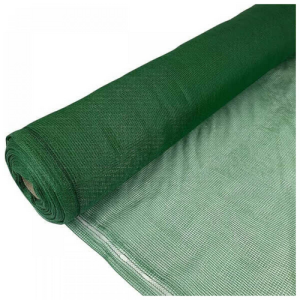
Debris nets for construction sites in Kenya have become a critical safety requirement in modern construction projects across the country. As Kenya continues to experience rapid urban development, especially in Nairobi, Mombasa, Kisumu, and Eldoret, construction activities have become taller, larger, and more complex.
This growth has also increased safety risks such as falling tools, loose materials, broken concrete, and construction waste. To address these risks, contractors rely heavily on debris nets for construction sites in Kenya as a first layer of protection.
These nets act as a physical barrier that prevents falling objects from injuring workers, damaging property, or endangering pedestrians. In high-rise construction, bridge projects, and industrial developments, they are no longer optional—they are a safety standard.
Cougar Nets supplies durable, UV-resistant, and industrial-grade netting systems designed specifically for Kenya’s construction environment, ensuring long-term performance under harsh weather conditions.
Why Debris Nets for Construction Sites in Kenya Are Essential
Debris nets for construction sites in Kenya are essential because they significantly reduce workplace accidents and improve site control.
Preventing Falling Object Accidents
Construction sites often involve elevated work areas. Without protection, even small tools or materials can cause serious injuries. Debris nets for construction sites in Kenya stop these hazards before they reach ground level.
Protecting Public Areas
In busy urban environments like Nairobi CBD, Westlands, and Upper Hill, construction often happens near roads, offices, and pedestrian walkways. These nets protect the public from falling debris.
Reducing Legal and Financial Risk
Accidents on construction sites can lead to lawsuits, compensation claims, and project delays. Using debris nets for construction sites in Kenya helps contractors reduce liability risks.
Supporting Safety Compliance
Kenya’s occupational safety regulations require proper site protection measures. These nets help contractors remain compliant.
Benefits of Debris Nets for Construction Sites in Kenya
The benefits of debris nets for construction sites in Kenya go beyond basic safety.
Worker Protection
They protect workers working below elevated platforms from falling materials.
Improved Site Efficiency
Fewer accidents mean fewer work stoppages and delays.
Material Protection
Expensive construction materials and tools are protected from damage.
Weather Protection
They reduce exposure to wind-blown debris during construction.
Better Project Reputation
Safe construction sites improve contractor reputation and client trust.
Related solutions:
- Construction hardware tools and accessories
- Protective tarpaulin sheets
- Home and garden netting solutions
Types of Debris Nets for Construction Sites in Kenya
Different debris nets for construction sites in Kenya are designed for specific applications.
Standard Debris Nets
Used in residential buildings and small commercial projects for general safety protection.
Heavy-Duty Debris Nets
Designed for high-rise buildings, industrial structures, and infrastructure projects.
Scaffold Debris Nets
Installed around scaffolding to contain falling tools and construction waste.
UV-Stabilized Debris Nets
Designed for long-term outdoor exposure in Kenya’s high-sunlight environments.
Fire-Resistant Safety Nets (Special Applications)
Used in industrial environments where additional safety compliance is required.
Related categories:
Materials Used in Debris Nets for Construction Sites in Kenya
The effectiveness of debris nets for construction sites in Kenya depends on material quality.
High-Density Polyethylene (HDPE)
HDPE is widely used because it is strong, lightweight, and UV resistant.
Nylon Reinforced Nets
These provide high tensile strength and are suitable for heavy-duty industrial use.
PVC-Coated Nets
Best for coastal regions like Mombasa due to resistance to salt, moisture, and corrosion.
Key Material Properties
- UV resistance for outdoor durability
- High tensile strength for impact absorption
- Weather resistance for harsh environments
- Flexibility for easy installation
How to Choose Debris Nets for Construction Sites in Kenya
Choosing the right debris nets for construction sites in Kenya requires careful evaluation.
Mesh Strength (GSM Rating)
Higher GSM means stronger and more durable nets for industrial use.
Load Capacity
The net must be able to withstand falling tools, cement blocks, and debris.
Environmental Conditions
- Nairobi: High-rise building construction
- Mombasa: Coastal humidity and salt exposure
- Kisumu: Infrastructure and bridge projects
- Eldoret: Industrial warehouse construction
Installation Compatibility
The nets must be compatible with scaffolding and structural frameworks.
Installation Guide for Debris Nets for Construction Sites in Kenya
Proper installation ensures safety performance.
Step 1: Site Risk Assessment
Identify all areas where falling debris could cause harm.
Step 2: Structural Preparation
Install scaffolding and support systems.
Step 3: Net Positioning
Secure debris nets for construction sites in Kenya across exposed zones.
Step 4: Fastening System
Use industrial-grade ropes and hooks from Cougar Nets hardware solutions.
Step 5: Load Testing
Test for strength and stability before use.
Step 6: Routine Inspection
Check for damage, wear, or loosening regularly.
Pricing of Debris Nets for Construction Sites in Kenya
Prices vary depending on quality and specifications.
Market Rates
- Light-duty: 50–120 KES per sqm
- Medium-duty: 120–250 KES per sqm
- Heavy-duty: 250–600+ KES per sqm
Pricing Factors
- Material type
- UV treatment
- Project size
- Installation complexity
Debris Nets for Construction Sites in Kenya Across Regions
Nairobi Construction Sites
Used in skyscrapers, apartments, and commercial buildings.
Mombasa Construction Sites
Used in ports, marine infrastructure, and coastal developments.
Kisumu Construction Sites
Used in bridges and public infrastructure projects.
Eldoret Construction Sites
Used in warehouses and industrial facilities.
Debris Nets vs Other Construction Safety Systems
| System | Advantage | Limitation |
|---|---|---|
| Debris net | Excellent falling object protection | Needs maintenance |
| Guard rails | Strong physical barrier | Expensive |
| Warning systems | Low cost | No physical protection |
Debris net remain one of the most effective construction safety systems in Kenya.
Maintenance Guidelines
- Inspect debris nets regularly
- Clean dust and debris buildup
- Replace damaged sections immediately
- Avoid overstretching during use
- Store properly when not in use
Compliance and Safety Standards in Kenya
Debris net for construction sites in Kenya must comply with:
- Occupational safety regulations
- eTIMS tax compliance system
- Certified industrial standards
- Construction site safety laws
People Also Ask
What are debris net used for in construction sites?
They are used to prevent falling materials from injuring workers or the public.
Are debris net required in Kenya?
Yes, they are required in many regulated construction projects.
How long do debris net last?
Typically 2–5 years depending on usage and exposure.
FAQ
What are debris net for construction sites in Kenya?
They are safety mesh systems used to catch falling materials on construction sites.
How much do debris net cost in Kenya?
They range from 50 to 600 KES per square meter depending on quality.
Can debris net be reused?
Yes, if they pass safety inspection.
Where are they commonly used?
In high-rise buildings, road construction, and industrial projects.
Get Your Premium Netting Solutions Today! For the best quality netting solutions for farming, construction, home, or any other project, look no further than Cougar Nets. Our team of experts is ready to help you choose the perfect product for your needs.
NATIONWIDE & EAST AFRICA DELIVERY AVAILABLE
✔ Premium quality nets for all applications
✔ Professional installation and expert advice
✔ Bulk orders and custom solutions available
Serving Kenya (Nairobi, Eldoret, Kisumu), Uganda, Tanzania, Rwanda, South Sudan, Ethiopia and beyond.
Contact Us for a Quote:
Cougar Nets
Email: sales@cougarnets.com | info@cougarnets.com
Phone: +254 706 903 465
Visit Us: Darosa Plaza, Karen Rd, Nairobi
Website: cougarnets.co.ke