No products in the cart.
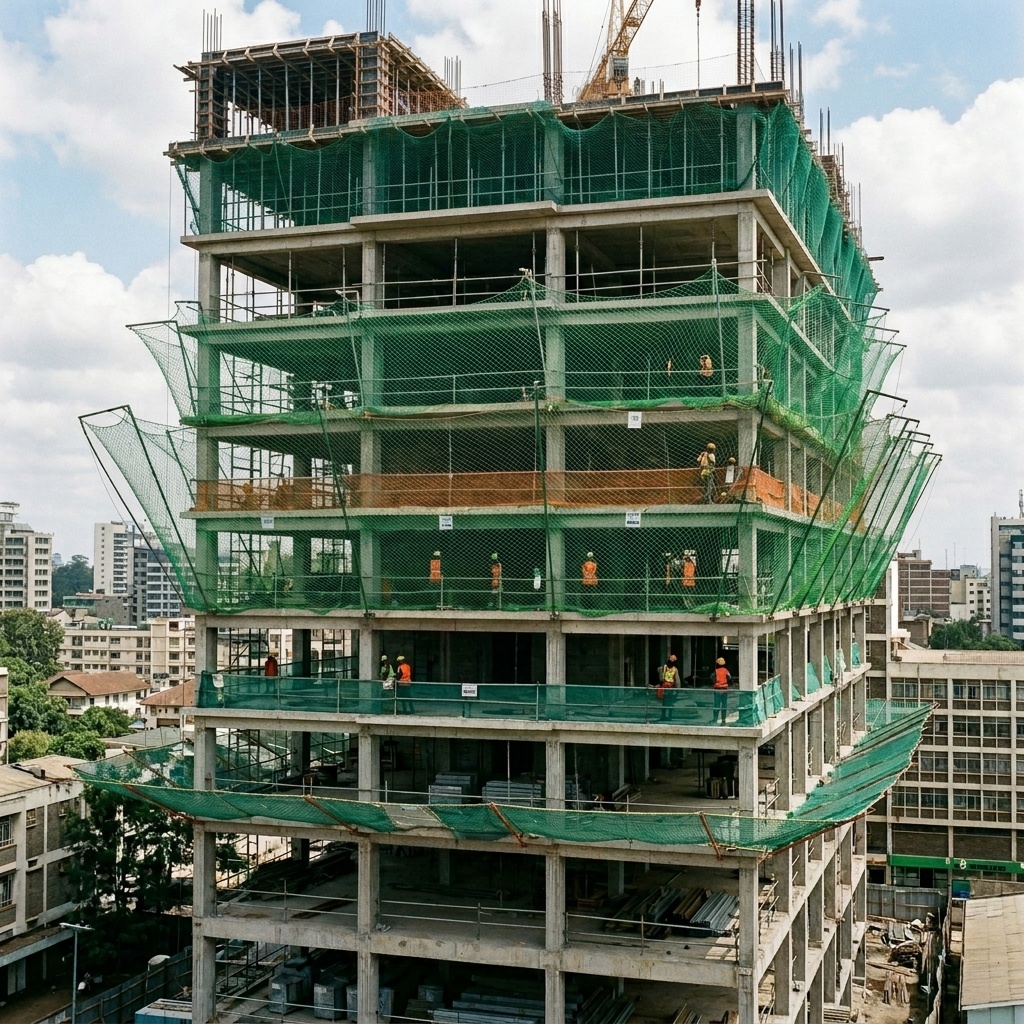
Rapid urban development across Kenya has increased the demand for safer demolition and construction practices. Cities such as Nairobi, Mombasa, Kisumu, and Eldoret continue to experience major building projects, renovations, and infrastructure developments where controlling construction hazards is a priority.
Debris Netting in Kenya provides an effective protective barrier around demolition sites, scaffolding structures, and high-rise buildings. It helps contain loose materials, reduce dust movement, and improve safety for workers, nearby businesses, pedestrians, and surrounding properties.
Unlike temporary barriers that only provide visual separation, professional debris netting creates an active safety layer around construction areas. It is designed to withstand outdoor exposure, strong winds, and demanding site conditions.
Cougar Nets is a trusted supplier of quality netting solutions for construction, agriculture, industrial applications, and commercial projects throughout Kenya and East Africa. The company provides specialized solutions including construction shade nets in Kenya, protective netting, and durable products designed for professional applications.
From busy Nairobi construction zones to coastal projects in Mombasa, contractors require reliable safety materials that improve site management while supporting compliance with workplace safety expectations.
What Is Debris Netting in Kenya?
Debris Netting in Kenya refers to protective mesh netting installed around construction and demolition areas to prevent falling objects, contain waste materials, and improve safety around active worksites.
It is commonly used on:
- High-rise buildings
- Demolition projects
- Scaffolding structures
- Bridge construction
- Renovation sites
- Industrial facilities
The primary purpose of debris netting is to create a controlled work environment by reducing the risk of materials escaping the construction area.
Professional-grade debris nets are manufactured from durable materials designed to provide:
- High tensile strength
- UV resistance
- Weather durability
- Long outdoor service life
- Reliable site protection
Benefits of Debris Netting in Kenya for Urban Demolition Sites
Urban demolition presents unique safety challenges. Buildings located near roads, offices, homes, and public areas require additional protection to minimize risks.
Using quality debris netting provides several advantages.
1. Improved Protection Against Falling Materials
One of the main purposes of Debris Netting in Kenya is preventing construction materials from falling outside designated work areas.
During demolition and renovation activities, small materials, dust particles, and loose debris can become hazards.
Debris nets help:
- Contain loose materials
- Protect pedestrians
- Reduce site-related accidents
- Improve worker safety
For contractors handling commercial buildings and urban projects, debris containment should be part of every safety plan.
2. Dust Control During Demolition Projects
Demolition activities often generate significant dust, which can affect:
- Workers
- Nearby residents
- Businesses
- Road users
Debris netting helps reduce the spread of airborne construction particles by acting as a protective barrier.
This improves:
- Site cleanliness
- Public comfort
- Environmental management
- Workplace conditions
3. Improved Site Appearance and Professionalism
A well-managed construction site creates confidence among clients, regulators, and the public.
Professional debris netting provides:
- A cleaner appearance
- Better site organization
- Improved project presentation
- Reduced visual disruption
For contractors working in premium locations such as Nairobi’s commercial districts, professional site protection can improve public perception.
How Debris Netting in Kenya Improves Construction Site Safety
Construction safety requires multiple protection systems working together.
Debris netting complements other safety measures including:
- Warning signs
- Protective equipment
- Scaffolding systems
- Restricted access zones
- Site supervision
Protection for High-Rise Construction
High-rise buildings create increased risks because materials can fall from significant heights.
Heavy-duty Debris Netting in Kenya helps create a protective envelope around buildings under construction.
It is commonly installed around:
- Scaffolding
- Building edges
- Renovation areas
- Demolition zones
This provides an additional safety layer while workers perform their tasks.
Debris Netting in Kenya vs Traditional Construction Barriers
Construction companies often use different methods to secure work areas. Understanding the differences helps contractors choose the right solution.
| Feature | Debris Netting in Kenya | Temporary Barriers | Plastic Sheets |
|---|---|---|---|
| Falling Object Protection | High | Low | Limited |
| Dust Control | Good | Low | Moderate |
| Wind Resistance | Good airflow | Can block wind | Can tear easily |
| Durability | High | Medium | Low |
| Long-Term Outdoor Use | Suitable | Limited | Not ideal |
| Professional Appearance | Excellent | Moderate | Poor |
For demolition and high-rise construction, debris netting provides a more practical and durable solution compared with basic temporary coverings.
Choosing the Best Debris Netting in Kenya for Your Project
Selecting the correct debris net depends on project requirements, site conditions, and safety expectations.
Important factors include:
1. Material Strength
Construction environments require nets that can handle:
- Wind pressure
- Outdoor exposure
- Daily site activity
- Mechanical stress
Heavy-duty materials provide better long-term performance.
2. UV Resistance
Kenya experiences strong sunlight throughout the year.
Areas such as Nairobi, Nakuru, and Mombasa require UV-resistant netting because constant sun exposure can weaken poor-quality materials.
A durable debris net should maintain performance despite:
- Heat exposure
- Rain
- Sunlight
- Changing weather conditions
3. Mesh Design
Different projects require different mesh densities.
A finer mesh can provide:
- Better dust control
- Improved containment
- Increased privacy
A more open mesh may provide:
- Better airflow
- Reduced wind pressure
- Easier installation
Applications of Debris Netting in Kenya Across Industries
Although mainly associated with demolition, debris netting has many professional applications.
Construction Projects
Used for:
- Residential buildings
- Commercial towers
- Shopping centres
- Office developments
Demolition Sites
Helps control:
- Falling debris
- Dust movement
- Public access risks
Infrastructure Projects
Useful for:
- Bridges
- Road construction
- Public works
Industrial Facilities
Provides protection during:
- Repairs
- Maintenance
- Expansion projects
Cougar Nets also supplies solutions across other sectors, including hardware and construction accessories in Kenya for professional contractors and industrial users.
Debris Netting in Kenya for Different Cities and Construction Environments
Nairobi Construction Sites
Nairobi has the highest concentration of commercial and high-rise construction projects in Kenya.
Debris netting is especially valuable in:
- CBD construction zones
- Apartment developments
- Office buildings
- Renovation projects
It helps protect busy pedestrian areas and nearby properties.
Mombasa Coastal Construction
Construction projects in Mombasa require materials that can withstand:
- High humidity
- Coastal weather
- Strong sunlight
UV-resistant debris netting helps maintain durability in coastal environments.
Kisumu Building Projects
Growing urban development in Kisumu increases demand for professional construction safety systems.
Debris nets support safer building practices around active construction zones.
Eldoret Development Projects
As Eldoret continues expanding, construction companies require reliable site protection solutions for commercial and residential developments.