No products in the cart.
When buying agricultural, safety, fishing, or protective nets, many buyers focus on mesh size and dimensions but overlook one important specification: denier in netting.
Denier is a measurement used to describe the thickness and weight of the yarn used to manufacture netting. It provides an indication of the material strength, durability, and suitability for different applications.
Understanding denier helps farmers, contractors, and businesses compare netting products more accurately instead of choosing only based on appearance or price.
A net with thicker yarn may provide better resistance against tearing, weather exposure, and heavy use. However, denier should always be considered together with other specifications such as mesh size, GSM, UV treatment, and material quality.
At Cougar Nets, customers can access quality agricultural and protective netting solutions designed for Kenyan conditions. Explore their range of Agricultural Nets and Aquaculture Equipment or browse products through the Cougar Nets Shop.
What Does Denier Mean in Netting?
Denier in netting refers to the thickness of the yarn used to create the net structure.
One denier represents the weight of a yarn measured by grams per 9,000 metres of fibre.
In simple terms:
- Lower denier = thinner yarn
- Higher denier = thicker yarn
Examples:
- 100 denier yarn is lightweight
- 400 denier yarn is stronger
- 1000 denier yarn is designed for heavy-duty applications
The correct denier depends on the purpose of the net.
Why Is Denier Important in Netting?
Understanding denier in netting helps determine how the product will perform.
Higher denier yarn generally provides:
- Increased tensile strength
- Better tear resistance
- Improved durability
- Longer service life
This is especially important for nets exposed to:
- Strong winds
- UV sunlight
- Animal pressure
- Frequent handling
- Heavy loads
Denier vs GSM: What Is the Difference?
Many buyers confuse denier and GSM because both relate to material weight.
However, they measure different things.
Denier
Measures:
- Individual yarn thickness
- Fibre weight
- Yarn strength
GSM
Measures:
- Total fabric weight per square metre
- Overall material density
A net can have:
- High denier but low GSM
- Low denier but high GSM
depending on the mesh design and construction.
Denier vs Thread Count
Thread count refers to the number of yarn strands within a specific area of the net.
Denier measures yarn thickness.
A net with:
- Thick yarn + lower thread count may be strong but have larger openings
- Thin yarn + higher thread count may provide dense coverage
Both specifications affect final performance.
How to Read Denier on a Netting Spec Sheet
A product specification sheet may include details such as:
- Yarn denier
- Mesh size
- GSM
- UV stabilisation
- Material type
- Breaking strength
When reading the specification, consider:
1. Yarn Thickness
Higher denier indicates stronger yarn construction.
2. Mesh Requirement
A strong yarn is not useful if the mesh size does not suit the application.
3. Environmental Conditions
Outdoor applications require stronger materials.
Choosing the Right Denier for Different Applications
The ideal denier in netting depends on the intended use.
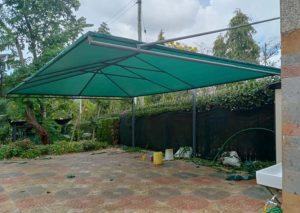
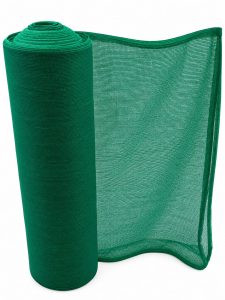
Agricultural Shade Nets
Shade nets require a balance between:
- Light control
- Airflow
- Durability
Medium to high denier yarns are commonly preferred for long-term outdoor farming.
Insect Nets
Insect nets require:
- Fine mesh openings
- Strong construction
- Consistent yarn quality
The yarn must be strong enough without reducing ventilation.
Bird Protection Nets
Bird nets require durability because they face:
- Outdoor exposure
- Wind pressure
- Repeated contact
Higher denier options often provide better resistance.
Safety Nets
Safety applications require strong yarn because the net must handle impact and load forces.
Important specifications include:
- Yarn thickness
- Breaking strength
- Certification requirements
- Installation method
Fishing and Aquaculture Nets
Fishing nets require yarn strength because they experience:
- Water movement
- Weight loads
- Repeated handling
The correct denier helps improve durability and performance.
Factors That Affect Net Strength Besides Denier
While denier in netting is important, it is not the only factor affecting performance.
Other factors include:
Material Quality
Common materials include:
- HDPE
- Nylon
- Polypropylene
- Polyester
Each has different properties.
UV Treatment
Outdoor nets require UV stabilisation to resist sunlight damage.
Knot or Knotless Construction
Manufacturing style affects strength and flexibility.
Mesh Design
The same denier can perform differently depending on mesh structure.
Common Mistakes When Comparing Netting Specifications
Many buyers make mistakes by focusing on only one measurement.
Avoid:
- Choosing only by price
- Ignoring denier rating
- Comparing different mesh sizes incorrectly
- Ignoring UV protection
- Selecting unsuitable materials
A complete specification provides a better understanding of product performance.
Benefits of Choosing the Correct Netting Specification
Understanding specifications such as denier in netting helps you:
Buy the Right Strength
Match the net to the application requirements.
Reduce Replacement Costs
Durable nets last longer.
Improve Performance
Correct specifications provide better protection.
Avoid Overspending
You avoid buying heavier materials than necessary.
Why Choose Cougar Nets?
Choosing the correct denier in netting helps ensure you receive the right balance of strength, durability, and cost.
Customers choose Cougar Nets because of:
- Quality agricultural and protective nets
- Durable materials
- Expert recommendations
- Competitive pricing
- Nationwide delivery
- Reliable customer support
Whether you need shade nets, insect nets, bird protection nets, or specialised agricultural solutions, Cougar Nets provides dependable products designed for Kenyan conditions.
Browse available solutions through the Cougar Nets Shop.
Frequently Asked Questions
What does denier mean in netting?
Denier in netting measures the thickness and weight of the yarn used to manufacture the net.
Is higher denier always better?
Not always. The correct denier depends on the application, mesh size, and required performance.
Does denier affect net strength?
Yes. Higher denier usually indicates thicker yarn and improved resistance to tearing.
What is the difference between denier and GSM?
Denier measures individual yarn thickness, while GSM measures the total fabric weight per square metre.
Where can I buy quality netting in Kenya?
You can purchase agricultural and protective netting solutions from Cougar Nets.
Conclusion
Understanding denier in netting helps buyers make better decisions when selecting agricultural, safety, fishing, and protective nets. Denier indicates yarn thickness and strength, but it should always be evaluated alongside GSM, mesh size, UV protection, and material quality.
By choosing the correct netting specification from Cougar Nets, farmers and businesses can invest in solutions that provide reliable performance and long-term value.
Contact Cougar Nets
Need help understanding denier in netting specifications for your project?
Website:
https://cougarnets.co.ke/
Agricultural Nets and Aquaculture Equipment:
https://cougarnets.co.ke/agricultural-nets-and-aquaculture-equipment/
Shop Online:
https://cougarnets.co.ke/shop/
Contact Us:
https://cougarnets.co.ke/contact-us/
Phone:
+254 706 903 465
Email:
sales@cougarnets.co.ke
Location:
Darosa Plaza, Karen Road, Nairobi, Kenya
Get Your Premium Netting Solutions Today!
For the best quality netting solutions for farming, construction, home, or any other project, look no further than Cougar Nets. Our team of experts is ready to help you choose the perfect product for your needs.
NATIONWIDE & EAST AFRICA DELIVERY AVAILABLE
- Premium quality nets for all applications
- Professional installation and expert advice
- Bulk orders and custom solutions available
- Serving Ethiopia, Tanzania, Kenya (Nairobi, Eldoret, Kisumu) and beyond.
Contact Us for a Quote:
Cougar Nets
Email: sales@mft.co.ke | info@cougarnets.co.ke
Phone: +254 706 903 465
Visit Us: Darosa Plaza, Karen Rd, Nairobi
Website: https://cougarnets.co.ke/