No products in the cart.
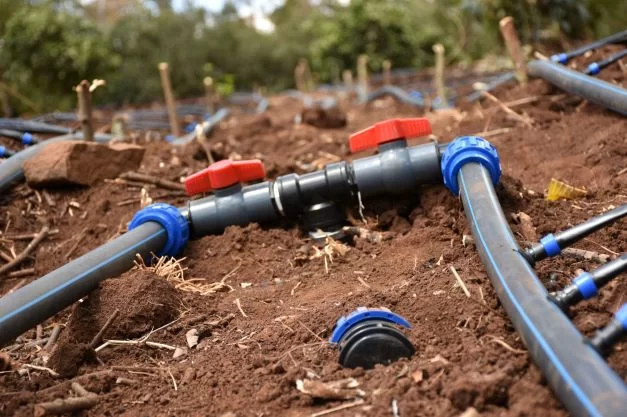
Drip irrigation Kenya is one of the most efficient and cost-effective ways to manage water for crops, especially in water-sensitive areas like Nairobi, Nakuru, and Naivasha. By delivering water directly to the plant root zone, this method reduces waste, improves crop growth, and ensures long-term productivity.
Using HDPE irrigation fittings Kenya such as tees and connectors ensures a durable, leak-free system that lasts for years.
Internal Link: Learn more about HDPE irrigation fittings Kenya for high-quality farm water systems.
Why Choose Drip Irrigation Kenya?
Drip irrigation delivers water directly to plants, offering advantages over traditional watering methods:
-
Up to 50% water savings
-
Reduced weed growth
-
Lower fertilizer loss
-
Improved crop quality
-
Higher productivity
In regions like Nairobi county and surrounding farms, adopting water saving farming Kenya practices is critical due to unpredictable rainfall and rising water costs.
Key Components for Drip Irrigation Kenya Setup
To build an efficient farm watering systems Kenya solution, you’ll need:
-
Water source (borehole, tank, or municipal supply)
-
Main HDPE pipe
-
HDPE tees and connectors
-
Drip lines (laterals)
-
Control valves
-
End caps
-
Filters (very important)
-
Pressure regulator
Internal Link: Check our guide on irrigation hose fittings Kenya for leak-free connections.
Step-by-Step Drip Irrigation Kenya Installation
Step 1: Plan Your Farm Layout
-
Measure farm dimensions
-
Map crop rows
-
Identify water source location
-
Calculate required pipe length
Planning prevents uneven pressure and water waste.
Step 2: Install the Main HDPE Pipe
-
Lay the main HDPE line across the field
-
Why HDPE?
-
UV resistant
-
Long lifespan
-
Corrosion-proof
-
Withstands high pressure
-
Secure the pipe firmly to prevent movement.
Step 3: Connect HDPE Tees
HDPE tees branch water into multiple drip lines.
-
Cut the main pipe cleanly
-
Insert HDPE tee fittings Kenya firmly
-
Tighten compression fittings
-
Check alignment to prevent leaks
These irrigation hose fittings Kenya ensure uniform water distribution along crop rows.
Step 4: Attach Drip Lines (Laterals)
-
Connect drip laterals from each HDPE tee
-
Maintain equal spacing along crop rows
-
Use pegs to secure lines
-
Align drip emitters with plant roots
Step 5: Install Filters & Pressure Regulators
-
Filters remove sand, debris, and organic matter
-
Pressure regulators maintain consistent flow
Proper control prevents emitter damage or uneven watering.
Internal Link: Explore farm watering systems Kenya solutions for full drip system setup.
Step 6: Test the System
-
Turn on water supply
-
Inspect for leaks and pressure consistency
-
Confirm uniform water discharge
Early testing avoids long-term water loss and crop stress.
Benefits of Using HDPE Irrigation Fittings Kenya
-
Leak-Free Connections: Tight seals reduce water waste
-
Long-Term Durability: Resistant to sun damage, fertilizers, and pressure fluctuations
-
Scalability: Easily expand your drip irrigation Kenya system as your farm grows
Internal Link: Learn more about HDPE irrigation fittings Kenya durability.
Drip Irrigation vs Traditional Watering
| Feature | Drip Irrigation | Flood Irrigation |
|---|---|---|
| Water Efficiency | Very High | Low |
| Weed Growth | Minimal | High |
| Fertilizer Loss | Reduced | Significant |
| Installation Cost | Moderate | Low |
| Long-Term ROI | High | Moderate |
Drip irrigation pays for itself over time through water savings and higher yields.
Common Mistakes to Avoid
-
Skipping filtration
-
Using low-quality irrigation hose fittings Kenya
-
Poor pressure management
-
Uneven pipe layout
-
Ignoring maintenance
Regular flushing and inspections are critical for efficiency.
Best Locations for Drip Irrigation Kenya
Highly effective in:
-
Vegetable farms in Naivasha
-
Horticulture zones in Thika
-
Peri-urban farms near Nakuru
These areas benefit most from water saving farming Kenya techniques.
Final Thoughts
A properly installed drip irrigation Kenya system using quality HDPE irrigation fittings Kenya ensures:
-
Efficient water use
-
Healthy crops
-
Higher farm profitability
By following the step-by-step setup and using durable fittings, farmers create a scalable and sustainable farm watering system that maximizes ROI and crop yield.
Internal Links Recap:
Get Your Premium Netting Solutions Today!
For the best quality netting solutions for farming, construction, home, or any other project, look no further than Cougar Nets. Our team of experts is ready to help you choose the perfect product for your needs.
NATIONWIDE & EAST AFRICA DELIVERY AVAILABLE
- Premium quality nets for all applications
- Professional installation and expert advice
- Bulk orders and custom solutions available
- Serving Uganda, Tanzania, Ethiopia and beyond.
Contact Us for a Quote:
Cougar Nets
Email: sales@mft.co.ke | info@cougarnets.co.ke
Phone: +254 706 903 465
Visit Us: Darosa Plaza, Karen Rd, Nairobi
Website: https://cougarnets.co.ke/