No products in the cart.
Introduction
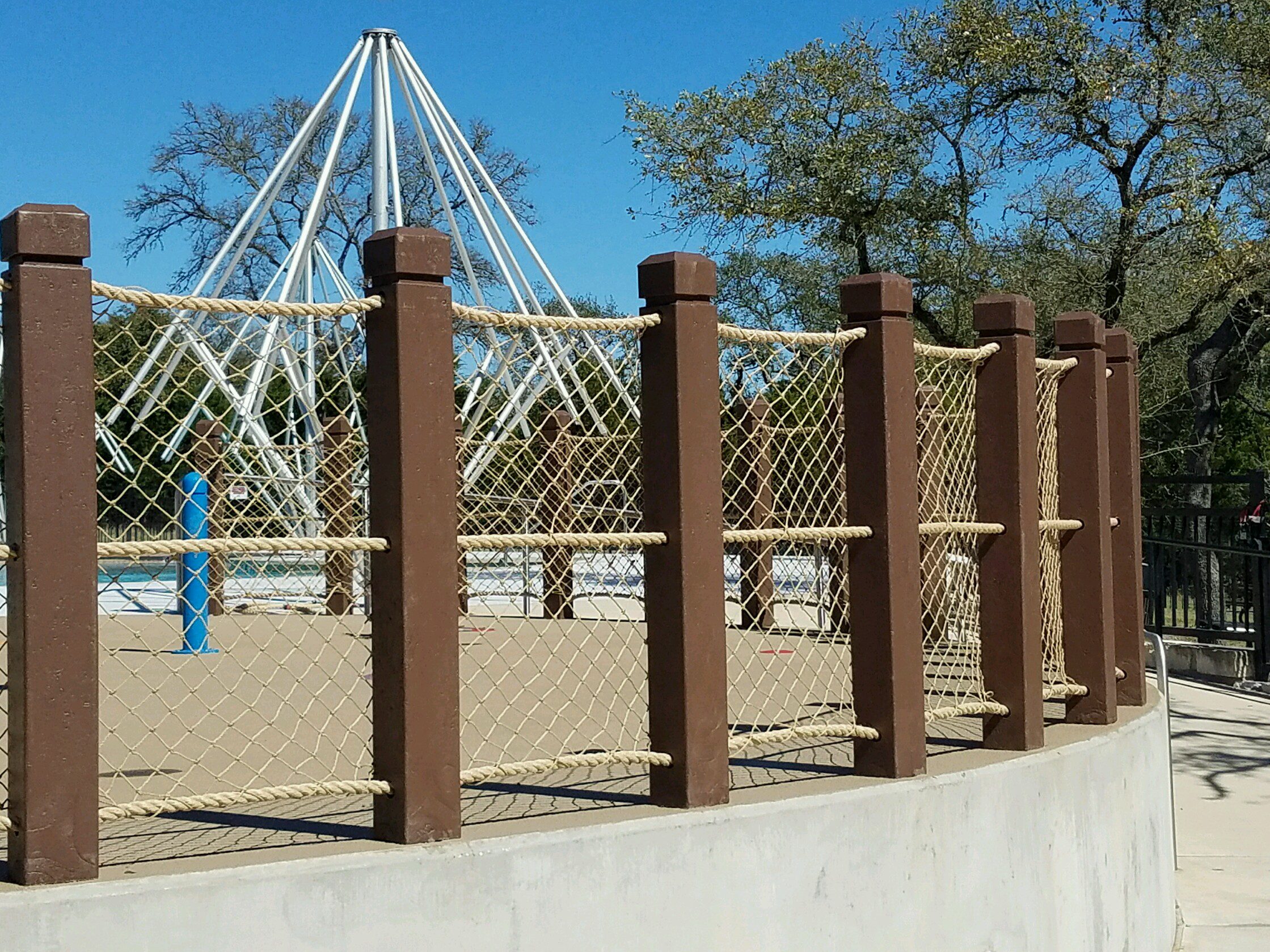
Fencing is a critical component of agricultural, residential, and industrial setups. Traditional barriers such as wood, concrete, or steel can be expensive, resource-intensive, and environmentally unfriendly. Eco-friendly fencing solutions, particularly netting alternatives, offer a sustainable, cost-effective, and versatile option.
Netting provides security, containment, and protection without the heavy environmental footprint of conventional fencing materials. From farms and livestock enclosures to construction sites and home balconies, netting solutions are increasingly becoming the preferred choice in Kenya and East Africa.
At Cougar Nets, we specialize in high-quality, durable netting solutions designed to meet diverse fencing needs while being environmentally responsible. This article explores the benefits, applications, types, and installation tips for using netting as a sustainable fencing alternative.
Why Choose Eco-friendly Netting Fencing?
Adopting netting instead of traditional barriers offers several advantages:
-
Sustainability: Nets are lightweight, recyclable, and require fewer raw materials to manufacture.
-
Cost-effectiveness: Lower installation and maintenance costs compared to concrete, brick, or steel fences.
-
Flexibility: Easily adapted to irregular landscapes, farm plots, or balcony designs.
-
Durability: High-quality nets withstand UV radiation, weather changes, and animal wear.
-
Safety: Provides secure containment for livestock, poultry, or crops without sharp edges.
Types of Netting for Eco-friendly Fencing
1. PVC Coated Chain Link Fencing
-
Strong, durable, and resistant to rust.
-
Ideal for residential boundaries, construction sites, or animal enclosures.
-
Provides a long-lasting, low-maintenance fencing solution.
View Product
2. PVC Coated Rabbit Mesh
-
Lightweight and highly flexible.
-
Perfect for small livestock, rabbits, and poultry containment.
-
Protects animals while reducing environmental impact compared to metal sheets.
View Product
3. Plastic Poultry Mesh
-
Specifically designed for chicken coops or bird enclosures.
-
Provides effective containment and predator protection.
-
UV-stabilized for long-term outdoor use.
View Product
4. Trellis Nets for Plant Fencing
-
Supports climbing plants while acting as a soft boundary.
-
Enhances productivity and reduces soil erosion.
-
Ideal for farms implementing sustainable agroforestry practices.
View Product
5. Anti-Bird Nets for Crop Protection
-
Prevents birds from damaging crops without the need for harsh chemical deterrents.
-
Protects yield while maintaining an eco-friendly approach.
View Product
Applications of Eco-friendly Netting Fencing
Agriculture and Farming
-
Enclosing crop fields to reduce crop loss.
-
Protecting orchards and vegetable gardens from birds using anti-bird nets.
-
Containing livestock with PVC coated rabbit mesh or poultry mesh.
Construction and Industrial Sites
-
Providing temporary barriers around scaffolding or work zones.
-
Using netting like PVC chain link fencing for secure and flexible boundaries.
-
Reducing environmental impact compared to traditional fencing materials.
Residential and Home Applications
-
Creating eco-friendly garden fences.
-
Securing balconies or terraces safely using nets instead of iron railings.
-
Maintaining aesthetic appeal with lightweight, unobtrusive materials.
Benefits of Netting Fencing Over Traditional Barriers
| Feature | Traditional Barriers | Netting Fencing |
|---|---|---|
| Material Cost | High | Low |
| Installation Effort | High (heavy labor & machinery) | Low (manual setup possible) |
| Environmental Impact | High (concrete, metal, wood) | Low (lightweight, recyclable) |
| Flexibility | Low | High |
| Maintenance | Medium-High | Low |
| Durability | High | High (with UV-stabilized nets) |
Netting fencing strikes the perfect balance between sustainability, cost, and practicality, making it ideal for farmers, homeowners, and construction managers.
How to Install Eco-friendly Netting Fencing
Step 1: Plan Your Layout
-
Measure the area to be fenced.
-
Identify terrain obstacles such as slopes, trees, or water bodies.
Step 2: Select the Right Netting
-
Choose PVC coated chain link for strong boundaries.
-
Use PVC coated rabbit mesh for livestock.
-
Incorporate trellis nets for plant support.
Step 3: Install Posts or Anchor Points
-
Use sturdy wooden or metal poles spaced appropriately (usually 2-3 meters apart).
-
Ensure posts are embedded securely in the ground for stability.
Step 4: Attach the Netting
-
Stretch the netting between posts, maintaining consistent tension.
-
Secure with braided rope or clips.
-
Reinforce corners and ends to prevent sagging.
Step 5: Regular Maintenance
-
Inspect knots, tension, and damage periodically.
-
Replace worn nets or repair holes promptly.
-
Clear vegetation that may cause net wear over time.
Cost-effectiveness and Environmental Benefits
Eco-friendly netting fencing reduces costs in multiple ways:
-
Lower material cost: Lightweight, recyclable nets are cheaper than concrete or steel.
-
Reduced labor cost: Easy installation saves time and manpower.
-
Long lifespan: High-quality nets resist UV and weather damage.
-
Environmental preservation: Less extraction of wood, metal, and concrete resources.
Case Study: Netting Fencing in Kenyan Farms
A poultry farm in Kiambu County replaced traditional iron fencing with plastic poultry mesh and PVC coated rabbit mesh. The results:
-
40% reduction in installation costs
-
Improved predator protection and reduced bird predation
-
Environmentally friendly solution with minimal resource usage
-
Easier maintenance and expansion of fencing area
This demonstrates that eco-friendly fencing solutions are both practical and sustainable in real-world Kenyan contexts.
Internal Links Used for Reference
Conclusion
Eco-friendly netting fencing is transforming the way farmers, homeowners, and construction managers approach boundary and enclosure solutions. By using sustainable, lightweight, and durable netting, you save costs, protect the environment, and achieve practical fencing that meets modern needs.
Cougar Nets provides the full range of sustainable fencing products and expert guidance to help you implement effective netting solutions across Kenya and East Africa.
Call to Action (CTA)
Get Your Premium Netting Solutions Today!
For the best quality netting solutions for farming, construction, home, or any other project, look no further than Cougar Nets. Our team of experts is ready to help you choose the perfect product for your needs.
NATIONWIDE & EAST AFRICA DELIVERY AVAILABLE
Premium quality nets for all applications
Professional installation & expert advice
Bulk orders & custom solutions available
Serving Kenya (Nairobi, Eldoret, Nakuru), Tanzania, Rwanda, Uganda & beyond.
Contact Us for a Quote:
Cougar Nets
Email: sales@cougarnets.co.ke | info@cougarnets.co.ke
Phone: +254 706 903 465
Visit Us: Darosa Plaza, Karen Rd, Nairobi
Website: https://cougarnets.co.ke/